Top 2025 Heat Exchanger Trends You Need to Know for Efficient Energy Use
As the world progresses toward sustainable energy solutions, the "Heat Exchanger" industry stands at the forefront of innovation and efficiency. Recent market analysis from Global Market Insights indicates that the heat exchanger market is expected to reach USD 22 billion by 2025, driven by the increasing demand for energy-efficient systems across various sectors. Moreover, the International Energy Agency reports that optimizing thermal processes through effective heat exchange could reduce industrial energy consumption by up to 30%. These statistics underscore the urgency for businesses to adopt the latest trends in heat exchanger technology.
Industry expert Dr. Alan Murphy, a renowned figure in thermal system optimization, emphasizes the importance of staying ahead of the curve: "The future of energy efficiency lies in our ability to innovate within the heat exchanger sector. By adopting advanced materials and smart technologies, we can significantly enhance performance and sustainability." His insights reflect a growing consensus among professionals that embracing emerging trends—such as the integration of IoT for real-time monitoring and the development of next-generation materials—will be crucial for maintaining competitive advantage and reducing environmental impact. As we delve into the top trends for 2025, it's clear that the evolution of heat exchangers will play a critical role in shaping the future of energy usage across industries.

Emerging Technologies in Heat Exchanger Design for 2025
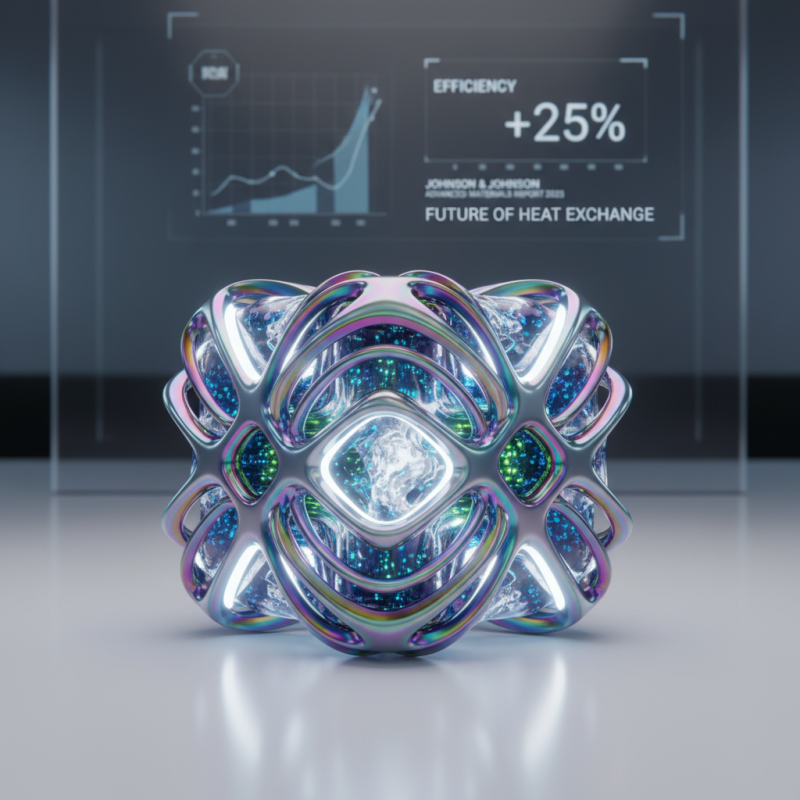
As we look towards 2025, the heat exchanger industry is poised for significant advancements driven by emerging technologies in design and materials. One noteworthy trend is the integration of advanced materials such as nanomaterials and smart alloys. According to a Johnson & Johnson report, heat exchangers made from these materials can achieve efficiencies up to 25% higher than traditional designs. This enhancement is critical in applications ranging from HVAC systems to industrial processes, where energy-saving measures are increasingly paramount.
Additionally, the incorporation of digital twin technology is revolutionizing how heat exchangers are designed and maintained. By simulating the performance of heat exchangers in real-time, operators can optimize performance and predict maintenance needs, thereby reducing downtime and costs. A recent study by the International Energy Agency indicates that implementing digital twin technology could lead to energy savings of approximately 15% in industrial applications. As these innovative solutions become more widely adopted, they will fundamentally reshape the landscape of energy efficiency in heat exchanger design, making it essential for industry stakeholders to stay informed.
Innovations in Materials for Enhanced Thermal Efficiency
The push for enhanced thermal efficiency in heat exchangers has led to significant innovations in materials over the past few years. One notable trend is the development of advanced alloys and composites that offer superior thermal conductivity and corrosion resistance. These materials not only improve energy transfer rates but also prolong the lifespan of heat exchangers, making them more sustainable and cost-effective. For example, new high-performance polymers and nanomaterials are being utilized to create lightweight yet durable designs, which can operate effectively at higher temperatures and pressures.
Another exciting development is the integration of intelligent materials that can adapt to changing thermal conditions. These materials, often referred to as shape memory alloys, can change their properties in response to temperature fluctuations, optimizing their performance dynamically. Additionally, innovations such as 3D printing enable the fabrication of complex geometries that maximize surface area and enhance the overall efficiency of heat exchangers. As industries continue to focus on energy conservation and emission reductions, these advanced materials are essential in driving forward the next generation of heat exchange technology, ensuring that systems operate with maximum efficiency while minimizing environmental impact.
Top 2025 Heat Exchanger Trends You Need to Know for Efficient Energy Use
| Trend |
Description |
Expected Impact |
Innovative Materials |
| Nanotechnology |
Utilization of nanomaterials to enhance thermal conductivity and efficiency. |
Improved heat transfer rates, leading to reduced energy consumption. |
Carbon nanotubes, graphene composites. |
| 3D Printing |
Additive manufacturing for customized heat exchanger designs. |
Reduction in manufacturing waste and design flexibility. |
Metal and polymer-based printing materials. |
| Phase Change Materials (PCMs) |
Incorporating PCMs for thermal energy storage solutions. |
Enhanced energy efficiency during peak demand. |
Paraffins, hydrated salts. |
| Smart Heat Exchangers |
Integration of IoT for real-time monitoring and optimization. |
Increased operational efficiency and predictive maintenance. |
Sensors, advanced control systems. |
| Hybrid Systems |
Combining heat exchangers with various energy recovery technologies. |
Maximized recovery of waste heat for improved efficiency. |
Hybrid material composites. |
Integration of Smart Technologies in Heat Exchanger Systems
The integration of smart technologies in heat exchanger systems is revolutionizing energy efficiency across various industries. By incorporating IoT devices, heat exchangers can operate under real-time monitoring, allowing for adaptive adjustments to temperature and flow rates based on immediate conditions. This responsiveness not only enhances overall performance but also minimizes energy waste, leading to significant operational cost savings.
Moreover, advanced data analytics and machine learning algorithms are paving the way for predictive maintenance. These technologies enable systems to anticipate potential failures before they occur, reducing downtime and ensuring continuous optimal performance. As industries aim to meet stricter environmental regulations and sustainability goals, the adoption of smart technologies in heat exchangers will be fundamental in driving energy efficiency and reliability. The combination of real-time data and automation signals a shift toward smarter, more sustainable energy systems, setting a precedent for future innovations in the sector.
Sustainability Trends Impacting Heat Exchanger Applications
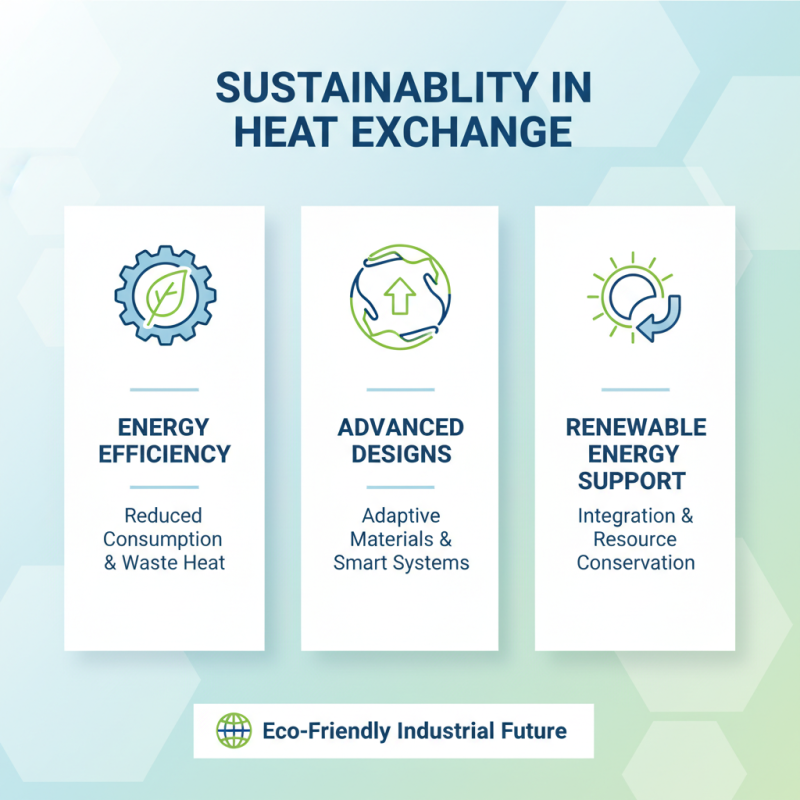
The sustainability trends shaping heat exchanger applications are increasingly pivotal in enhancing energy efficiency across various industries. As businesses strive to reduce their environmental footprint, the demand for heat exchangers that utilize less energy and minimize waste heat has surged. Innovations like adaptive materials and advanced thermal management systems are emerging, enabling the development of more efficient designs that not only conserve energy but also support renewable energy applications. These innovations are essential for industries seeking to operate sustainably while maintaining competitiveness.
Moreover, regulations and incentives aimed at promoting sustainable practices are driving the transition towards eco-friendly heat exchanger technologies. Governments and organizations are launching initiatives to encourage the adoption of greener technologies, resulting in heightened investments in R&D. This shift is prompting manufacturers to focus on the lifecycle impact of their products, leading to more robust designs and materials that can withstand varied conditions while requiring less maintenance. As industries integrate these sustainable practices, the future of heat exchangers lies in their ability to adapt and evolve in response to both regulatory pressures and market demands.
Future Regulations and Standards for Energy Efficiency in Heat Exchange
As we look towards 2025, the emphasis on energy efficiency in heat exchangers is becoming a focal point for future regulations and standards. The gas water heater market, projected to reach a staggering $1,231.40 million by 2025, illustrates the growing demand for efficient energy solutions. This sector is anticipated to grow from $131.27 million in 2025 to $2.188 billion by 2033, featuring a compound annual growth rate (CAGR) that underscores the shift towards more sustainable energy usage.
In parallel, the global market for energy-saving technologies is expected to escalate significantly, with forecasts estimating the market will grow from $13.07 billion in 2024 to $19.84 billion by 2031, reflecting a CAGR of 6.14%. This growth is propelled by stringent regulations aimed at reducing environmental impact and promoting energy efficiency. Additionally, waste heat recovery systems (WHRS) are becoming pivotal, with their industrial applicability on the rise to meet new regulatory pressures, thereby fostering sustainable practices within the heat exchange sector. The transition towards regulating and enhancing energy efficiency in heat exchange is not just beneficial for the environment, but also essential for future market competitiveness.
Top 2025 Heat Exchanger Trends for Efficient Energy Use