2026 Top Heat Exchanger Trends You Should Know About?
As industries evolve, the role of heat exchangers continues to expand. In 2026, several trends are set to shape this essential technology. Heat exchangers are vital in various sectors, including energy, manufacturing, and HVAC. Innovations are emerging to enhance efficiency and performance.
One significant trend is the emphasis on sustainability. Companies are increasingly focusing on reducing energy consumption. Heat exchangers play a crucial role in this shift. Advanced materials are being tested for improved heat transfer. This not only saves energy but also lowers operational costs.
However, challenges remain. The adaptation of new technologies can be slow. Some organizations resist change due to financial concerns. Understanding these trends is crucial for anyone involved in this field. Keeping up with advancements in heat exchangers will be vital for future success. As we explore these trends, awareness is key.
Emerging Technologies Transforming Heat Exchanger Designs in 2026
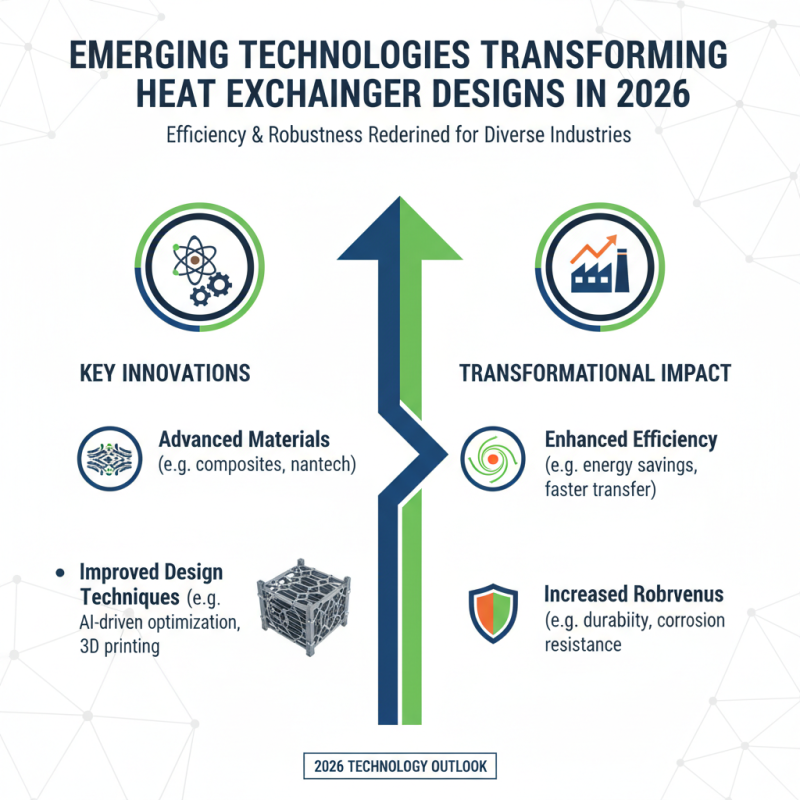
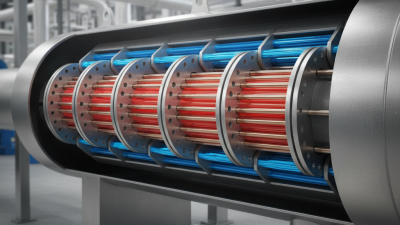
In 2026, heat exchangers are undergoing significant transformations driven by emerging technologies. Innovations such as advanced materials and improved design techniques are at the forefront. These changes enhance efficiency and robustness, catering to diverse industrial needs.
Consider the role of additive manufacturing. This technology enables customized designs, allowing for lightweight structures that can withstand extreme conditions. Enhanced thermal performance is another key benefit. However, manufacturers must be cautious about potential inconsistencies in production quality. Attention to detail is crucial.
Integration of IoT technology is also noteworthy. Smart heat exchangers can monitor performance in real-time. This data helps in predictive maintenance, preventing unexpected failures. However, the reliance on technology raises concerns about cybersecurity. Companies need to establish solid security measures.
Tips: Stay informed about new materials that can improve heat transfer efficiency. Regular maintenance checks are essential for optimal performance. Always think about potential risks when implementing new technologies.
Advancements in Materials for Enhanced Heat Transfer Efficiency
The heat exchanger industry is witnessing significant advancements in materials that enhance heat transfer efficiency. New alloys and composites are emerging, designed specifically for high-performance applications. These materials can withstand extreme temperatures and pressures, improving overall system stability.
Innovative coatings are also playing a role in this transformation. These coatings reduce fouling, allowing for smoother heat exchange. They not only increase efficiency but also extend the lifespan of heat exchangers. However, the integration of these advanced materials poses challenges. The cost of development and implementation can be a barrier for many manufacturers.
Further research is needed to optimize these new materials for different applications. While the potential is vast, the practicality of adoption remains an area for scrutiny. As industries push for greener and more efficient technologies, selecting the right materials will be crucial. Balancing performance, cost, and sustainability is no easy task.
2026 Top Heat Exchanger Trends: Advancements in Materials for Enhanced Heat Transfer Efficiency
Sustainability Trends Driving Eco-Friendly Heat Exchanger Solutions
Sustainability is reshaping heat exchanger solutions. Many industries are now focusing on eco-friendly designs. A recent report indicates that sustainable heat exchangers can reduce energy consumption by up to 30%. This shift aims to lower carbon footprints and optimize energy efficiency.
Innovative materials are being used in heat exchanger production. For instance, materials like stainless steel and titanium offer better thermal conductivity while ensuring longer lifespans. However, sourcing these materials sustainably presents challenges. Many producers still rely on traditional, less eco-friendly processes.
The demand for green technologies is growing. A significant percentage of companies plan to invest in sustainable solutions by 2026. Yet, the transition is not straightforward. Some organizations lack the knowledge or resources needed to adopt these technologies effectively. Addressing these gaps is crucial for a sustainable future.
Digitalization and IoT Integration in Heat Exchanger Monitoring Systems
Digitalization is transforming many industries, and heat exchangers are no exception. The integration of Internet of Things (IoT) technologies into monitoring systems is gaining traction. Sensors are now more effective at collecting data, providing real-time insights. This data can help operators optimize performance and reduce energy consumption.
However, relying too much on technology may create blind spots.
IoT-enabled devices allow for remote monitoring. Engineers can access information from anywhere, improving response times. Predictive maintenance becomes easier, as systems can alert users to potential failures. Yet, the reliance on constant connectivity raises questions about cybersecurity threats. If a system is compromised, it could lead to significant operational issues.
Integrating digital solutions also introduces a learning curve. Not all personnel may adapt quickly to new technologies. Training becomes essential but can be overlooked in fast-paced environments. It's crucial to balance innovation with user readiness to avoid potential disruptions in functionality. The landscape is changing, but careful implementation is key to success.
Regulatory Changes Impacting Heat Exchanger Industry Standards in 2026
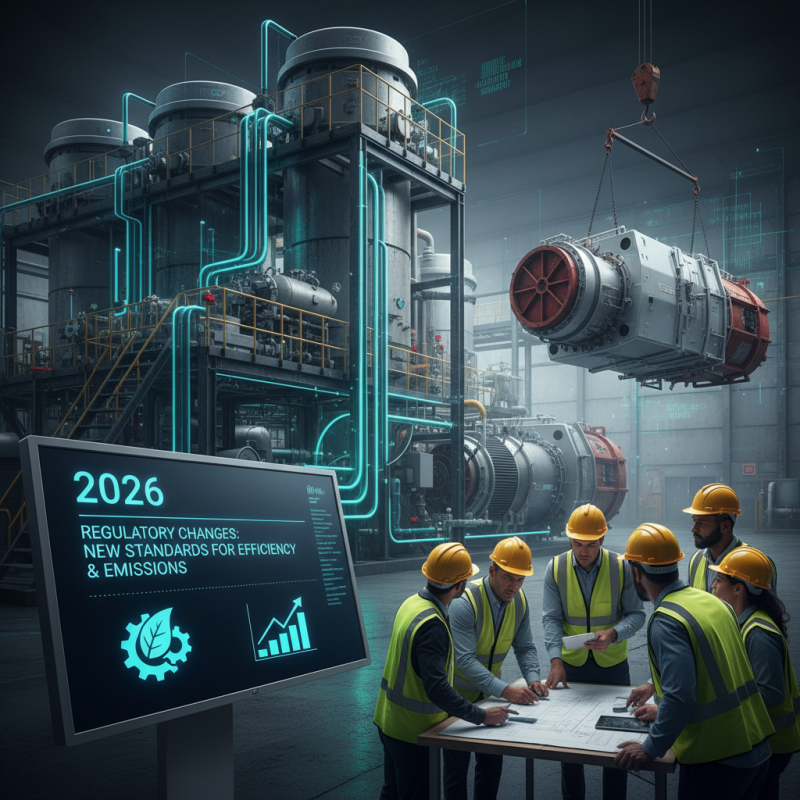
In 2026, the heat exchanger industry is witnessing significant regulatory changes. These changes aim to enhance efficiency and reduce environmental impact. New standards are emerging to address energy consumption and emissions. Companies must adapt swiftly to comply with these evolving guidelines. Many are struggling with the transition, facing challenges in updating equipment and processes.
The regulatory focus includes stricter guidelines on materials and construction. For instance, tighter limits on harmful emissions are being set. Organizations now prioritize sustainability, but the change isn't easy. Many firms lack the resources for immediate compliance. Some heat exchangers may need extensive retrofitting to meet new rules. This situation raises concerns about costs and operational downtime.
Training employees on new standards is another hurdle. The industry must foster a culture of compliance. Skilled workers are critical to implement these changes effectively. However, not every company is ready for this shift. Some may hesitate, risking penalties and losing competitive advantages. The impact of these regulatory changes is profound, and reflection is necessary for progress.