Best Cooling Systems for Efficient Temperature Control?
In today's rapidly changing climate, effective temperature control is crucial. The right Cooling Systems can significantly enhance comfort and energy efficiency. Experts in the field, like Dr. Emily Zhao, a renowned HVAC specialist, emphasize, “Effective cooling technology can change how we experience our environments.” This insight underscores the importance of exploring the best options available for temperature management.
Choosing the appropriate Cooling Systems involves understanding various technologies. From traditional air conditioning to innovative evaporative coolers, options abound. Each system serves different environments. Yet, many users often overlook the long-term benefits of energy efficiency. Adopting the right cooling solution can lead to substantial savings and improved comfort.
However, not all Cooling Systems are created equal. Some may promise high performance but fall short in real-world applications. It’s essential to research and reflect on experiences shared by other users. Choosing a system is not just about initial investment; it's about understanding your needs and how a system performs over time.
Types of Cooling Systems and Their Applications
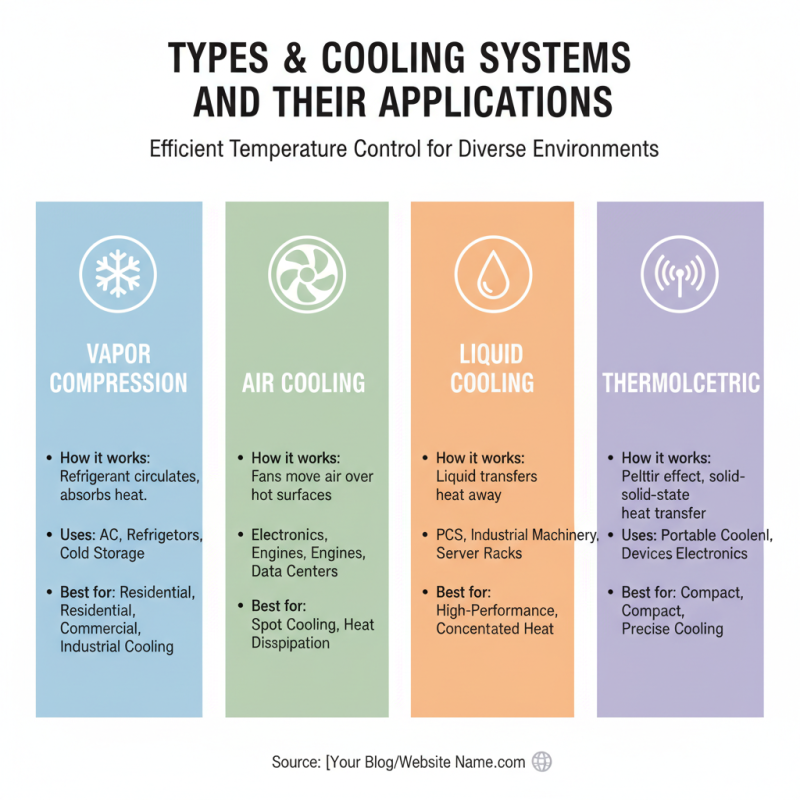
When it comes to cooling systems, understanding the types available and their applications is crucial. There are many technologies designed to efficiently manage temperature control. Each type has unique features that make it suitable for specific environments.
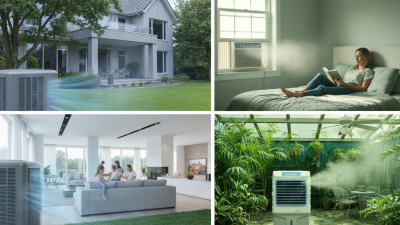
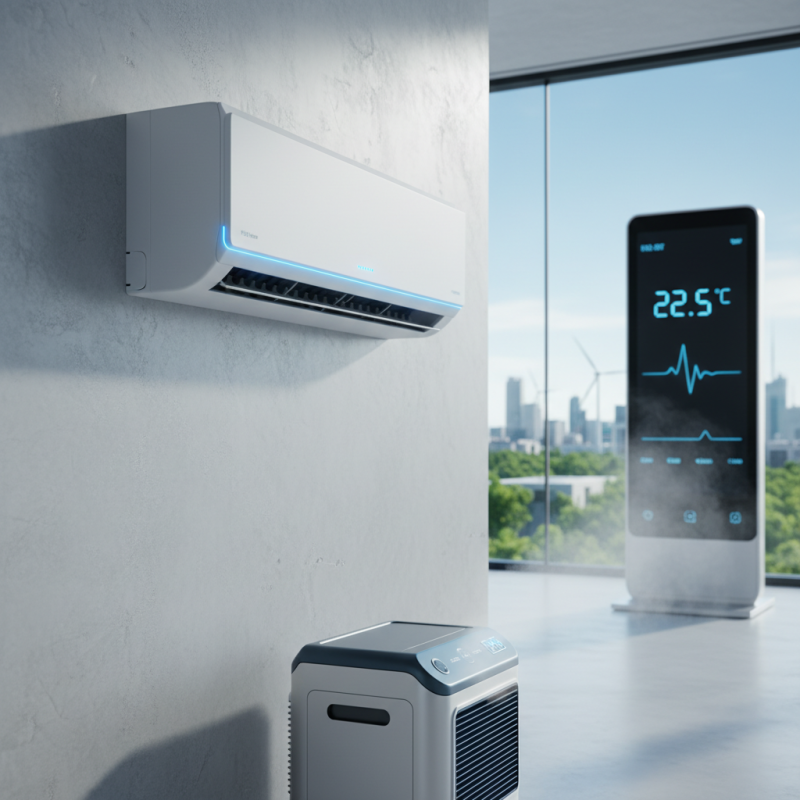
Air conditioning systems are common in both residential and commercial settings. They primarily use refrigerants to absorb heat and distribute cool air. However, they can consume significant energy, leading to higher utility bills. Another option is evaporative cooling. This method uses water evaporation to cool the air, which works best in dry climates. Its simplicity makes it a cost-effective choice but may lack efficiency in humid conditions.
For industrial applications, chillers and cooling towers play vital roles. Chillers transfer heat from a liquid through a vapor-compression or absorption cycle. They are essential in large-scale operations. On the other hand, cooling towers disperse heat by evaporating water. They can be efficient but require regular maintenance to prevent bacteria growth.
Evaluating these systems involves understanding their strengths and weaknesses. Each has specific requirements for optimal performance and efficiency. Ensuring you choose the right type can prevent inefficient operations and unnecessary costs.
Key Features of Efficient Temperature Control Systems
Efficient temperature control systems are vital in various industries, particularly in manufacturing and data centers. According to research by the American Society of Heating, Refrigerating and Air-Conditioning Engineers (ASHRAE), maintaining optimal temperatures can enhance productivity and reduce energy costs. Systems that utilize smart technology can automatically adjust temperature based on real-time conditions, providing significant energy savings.
Key features of effective temperature control systems include precise sensing mechanisms, responsive controls, and energy-efficient designs. Sensing mechanisms allow these systems to detect temperature fluctuations promptly. A report by the International Energy Agency (IEA) highlighted that employing advanced sensing technology can lead to a 30% reduction in energy consumption. Responsive controls from programmable thermostats can manipulate HVAC operations in real-time. This adaptability is crucial, especially in climates with frequent temperature changes.
However, not all systems achieve the desired efficiency. Some may rely on outdated technology, leading to inefficiencies. A significant portion of organizations faces challenges in integrating modern controls with existing infrastructures. According to a survey by the Energy Information Administration (EIA), nearly 40% of businesses are unaware of energy-efficient upgrades. This gap in knowledge represents an opportunity for improvement in temperature control strategies. Identifying and implementing key features could transform operational efficiencies significantly.
Factors to Consider When Choosing a Cooling System
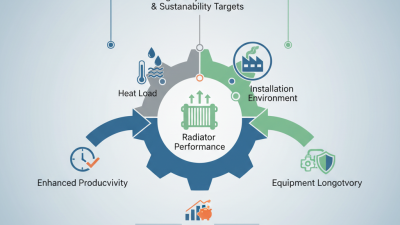
Choosing the right cooling system is crucial for maintaining comfortable indoor temperatures. Several factors play a significant role in this decision. The size of the area needing cooling is essential. A system that is too small will struggle to regulate temperatures effectively. Conversely, an oversized unit can lead to inefficient energy usage.
Energy efficiency is another important consideration. Look for systems with high ratings. These models may come with a higher upfront cost, but they save money over time. Noise levels also matter. A silent cooling system creates a peaceful environment.
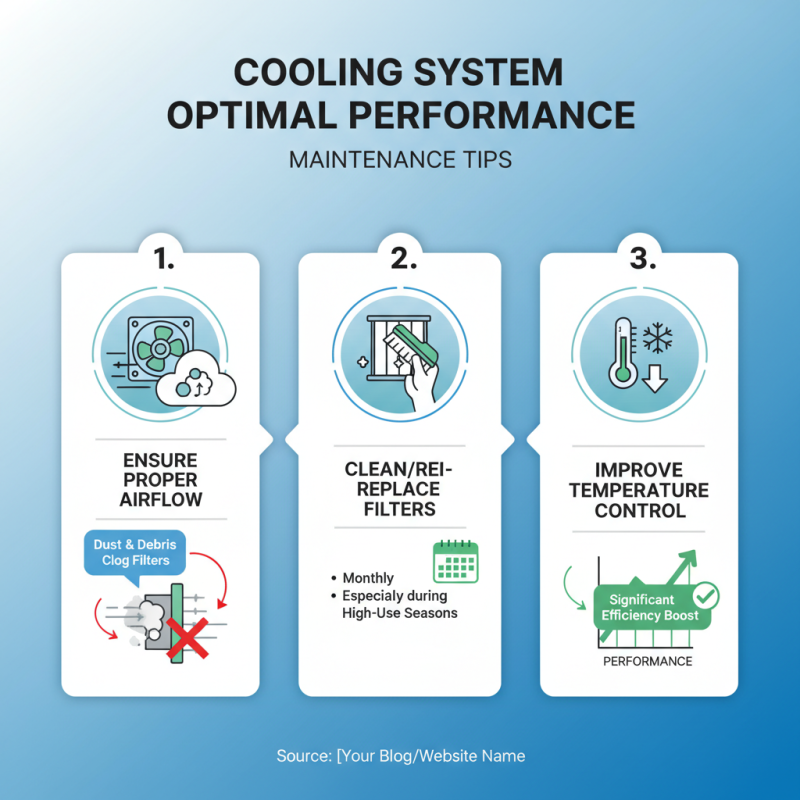
Don't overlook maintenance requirements. Some systems need regular servicing, while others are easier to care for. Simplicity can lead to better reliability. Researching local climate conditions is wise. You want a system that can handle extreme weather variations. Each of these factors requires careful consideration. It's not always easy to find the perfect match. Engage with knowledgeable professionals to make informed choices.
Cooling Systems Efficiency Comparison
Innovations in Cooling Technology for Energy Efficiency
Innovations in cooling technology are transforming how we manage temperature efficiency. Advanced materials, such as phase-change materials, absorb heat during the day. This process reduces reliance on traditional air conditioning systems. These materials can provide cooling during nighttime, optimizing energy use. They not only save energy but also reduce peak load pressure on electrical grids.
Another notable development is liquid cooling systems. They use water or other fluids to dissipate heat effectively. These systems are becoming popular in data centers and industrial applications. Their ability to handle higher heat loads translates to improved efficiency. However, there’s a challenge with maintenance and potential leaks. Proper installation and regular checks are crucial to mitigate risks.
Incorporating smart technology is another promising trend. Sensors can monitor and adjust temperatures in real-time. This leads to better energy conservation. Yet, reliance on tech can pose its own issues. If systems fail due to software glitches, it can lead to overheating. Balancing innovation with reliability is key in advancing cooling efficiency.