Best Cooling Systems from China to Enhance Your Business?
In recent years, the demand for efficient Cooling Systems has surged significantly. According to a report by MarketsandMarkets, the global cooling systems market is expected to reach $45 billion by 2025, growing at a CAGR of 5.3%. This trend highlights the critical role cooling technologies play in various industries.
Dr. Li Wei, a leading expert in thermal management, emphasizes, "Effective cooling solutions are vital for maintaining operational efficiency and reducing energy costs." As industries modernize, the need for advanced cooling systems becomes more pressing. Chinese manufacturers are at the forefront of this evolution. Their innovations not only optimize performance but also provide cost-effective solutions.
However, there are challenges to consider. While many products promise high efficiency, businesses must carefully evaluate their reliability. Not all cooling systems are created equal. It's crucial to weigh the benefits against potential drawbacks. Taking these factors into account can lead to informed decisions that elevate operational standards.
Overview of Cooling Systems: Types and Technologies Available in China
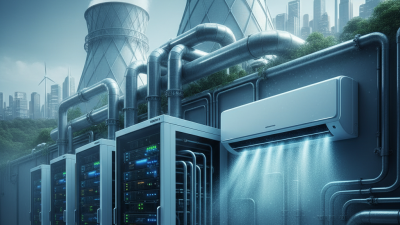
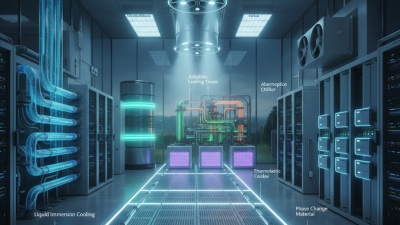
In China, cooling systems have evolved significantly. Various technologies cater to different industrial needs. Air cooling, water cooling, and evaporative cooling are popular choices. Each type has distinct advantages.
Air cooling systems are efficient for smaller spaces, while water cooling systems excel in larger setups.
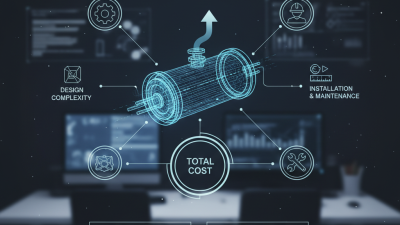
Additionally, evaporative cooling methods are more environmentally friendly. They use natural processes to reduce temperature. Many industries benefit from these options; they can improve productivity and ensure optimal working conditions. However, potential users must consider
installation costs and
maintenance carefully.
Custom solutions are also available. This flexibility allows businesses to tailor systems to their unique needs. However, selecting the right system can be challenging. Businesses should prioritize
reliability and
energy efficiency. Investing in a good cooling system will pay off in the long run.
Key Features to Consider When Selecting Cooling Systems for Your Business
When selecting cooling systems for your business, several key features should guide your decision. Efficiency is paramount. An efficient system not only lowers energy costs but also reduces your carbon footprint. Look for systems with high Energy Efficiency Ratios (EER). A higher EER indicates better performance and cooling capacity.
Consider the noise level of the cooling system. Some systems can be quite loud, which may affect your work environment. A quieter unit may improve employee comfort and productivity. Don't overlook the size and capacity as well. Systems that are too large or too small will lead to inefficiencies. Proper sizing ensures optimal performance.
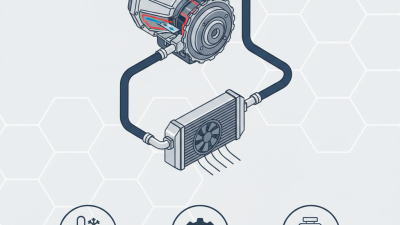
Finally, think about maintenance requirements. Reliable cooling systems require less upkeep. Systems that are easy to service can save you time and money in the long run. Always check for warranties and after-sales support. A good warranty can be a sign of a reliable product. Aim for a balance of these features to find a system that truly meets your business needs. Choose wisely to create a comfortable working environment.
Cooling System Efficiency Comparison
Top Chinese Manufacturers of Cooling Systems: A Comprehensive Review
When considering the best cooling systems from China, it's essential to explore the landscape of top manufacturers. Recent reports indicate that China's cooling system market is expected to grow at a CAGR of 5.1% from 2023 to 2028. This growth is driven by increased demand in various industries, such as pharmaceuticals, data centers, and food processing.
Leading manufacturers focus on energy efficiency and innovative technology. Many companies are adopting eco-friendly refrigerants to meet international standards. For instance, around 70% of manufacturers are currently updating their products to comply with recent environmental regulations. While this shift is promising, challenges remain. Many emerging manufacturers struggle with quality control and consistent performance standards, leading to variable product reliability.
Moreover, the complexity of supply chains can affect delivery times and costs. Reports highlight that over 60% of exporters face difficulties in logistics coordination, particularly during peak seasons. This can result in increased lead times for businesses relying on timely cooling solutions. Understanding these nuances is pivotal for making informed purchasing decisions in the competitive cooling systems landscape.
Cost-Effectiveness and Efficiency of Chinese Cooling Solutions
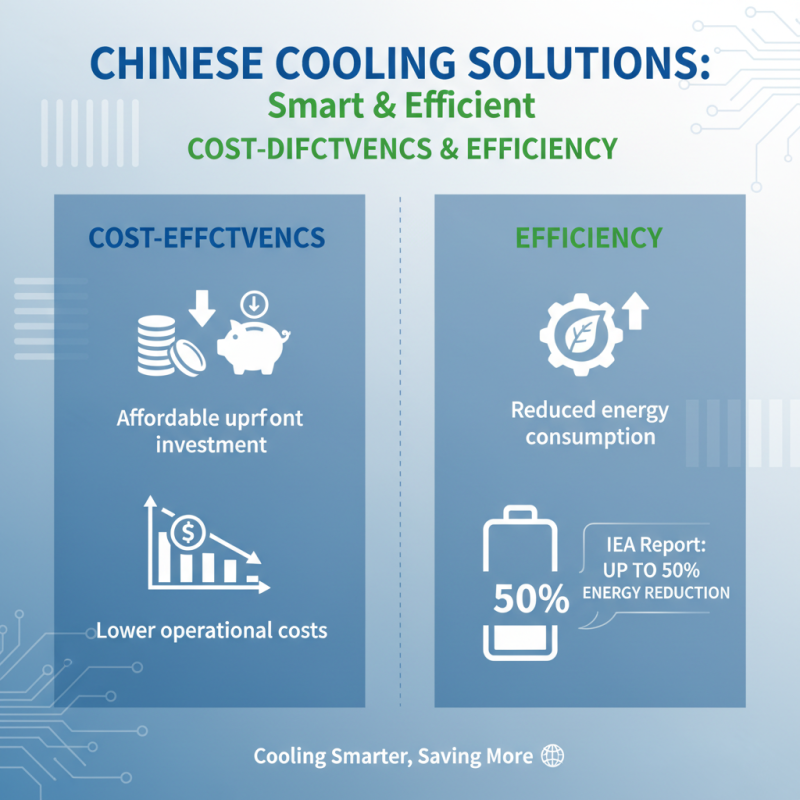
When considering cooling systems from China, cost-effectiveness and efficiency are vital. A recent report from the International Energy Agency suggests that efficient cooling solutions can reduce energy use by up to 50%. This statistic highlights the importance of adopting systems that not only cool effectively but do so with minimal energy consumption.
Many Chinese manufacturers focus on innovation. They employ advanced technologies, making systems more efficient. For instance, systems utilizing inverter technology adapt their cooling output based on current demand. This adaptability results in lower energy costs and improved comfort. Data indicates that inverter systems can reduce energy costs by 30% compared to traditional models.
However, it’s essential to address potential challenges that may arise. Not all Chinese cooling solutions meet international standards or quality benchmarks. Companies must conduct thorough evaluations before making decisions. Some systems may perform well in ideal conditions but falter in real-world applications. Ensuring reliability and performance is crucial for long-term success. The overall landscape for cooling solutions is promising, but careful consideration is necessary to ensure optimal results.
Case Studies: Successful Implementation of Cooling Systems in Various Industries
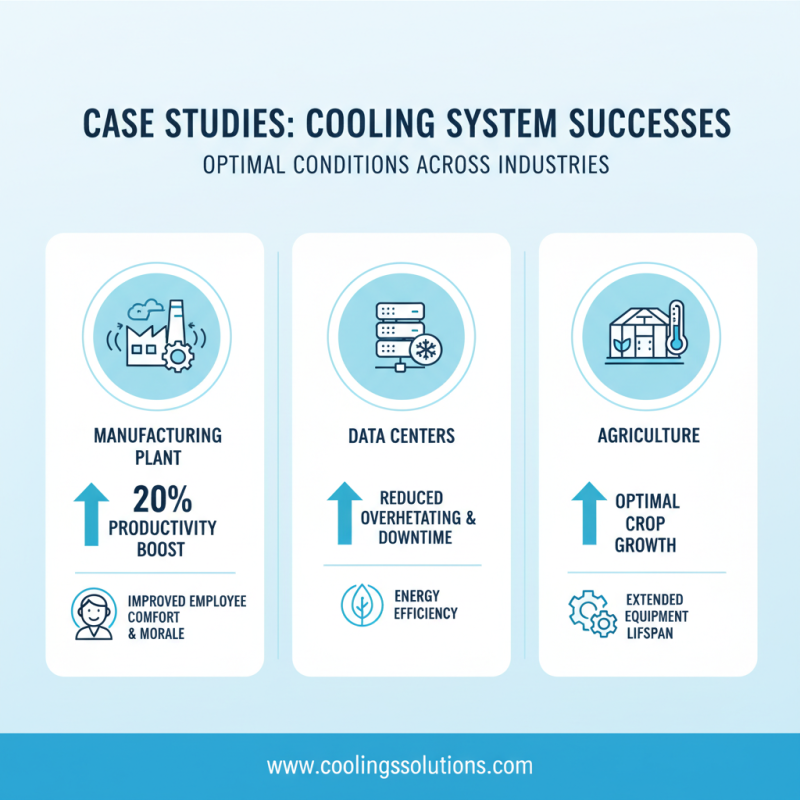
Cooling systems play a crucial role in various industries, helping to maintain optimal operating conditions. For example, a manufacturing plant successfully integrated a sophisticated cooling system to regulate temperature during production. This change led to a 20% increase in productivity. Employees noticed improved comfort levels too, leading to enhanced morale.
In the food industry, a logistics company adopted advanced cooling technologies for transporting perishable goods. This implementation reduced spoilage rates dramatically. However, they faced challenges in training staff to manage the new system efficiently. Despite the initial learning curve, they ultimately achieved better inventory management and client satisfaction.
A hospital also recognized the need for a reliable cooling system. They sought to ensure a stable environment for delicate equipment and patient care. Early attempts revealed issues with installation and maintenance. Learning from these setbacks, they improved their approach, leading to successful outcomes. The hospital now enjoys consistent temperatures, enhancing both equipment functioning and patient safety.