Best Oil Cooler For Torque Converter Options to Enhance Performance?
When it comes to enhancing vehicle performance, selecting the right Oil Cooler For Torque Converter is crucial. Renowned automotive expert John Smith states, "An effective oil cooler significantly improves the efficiency of the torque converter.” His insight highlights the importance of maintaining optimal temperatures within the engine system.
Oil coolers play a vital role in preventing overheating and ensuring smooth operation of the torque converter. A well-functioning cooler can lead to increased longevity for your vehicle. Inadequate cooling can result in sluggish performance and potential damage.
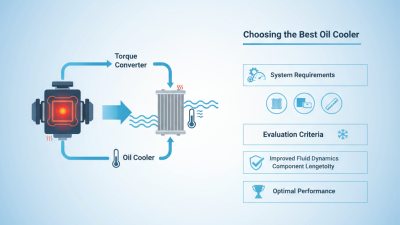
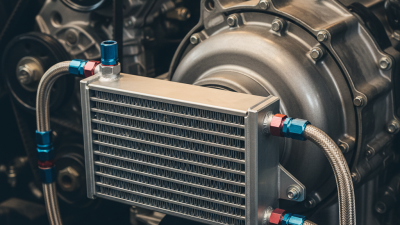
Choosing the best Oil Cooler For Torque Converter involves analyzing various factors, including design and material. It can feel overwhelming with so many options available. Yet, understanding your specific needs and vehicle requirements can help clarify the choice. Investing in a quality cooler not only enhances performance but ensures reliability during critical moments on the road.
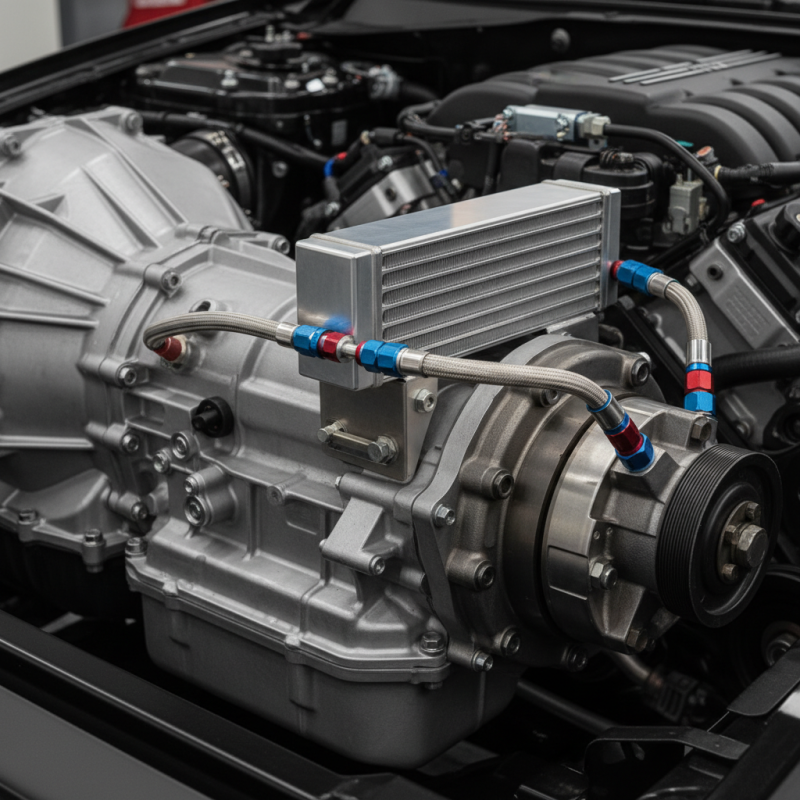
Understanding the Importance of Oil Coolers for Torque Converters
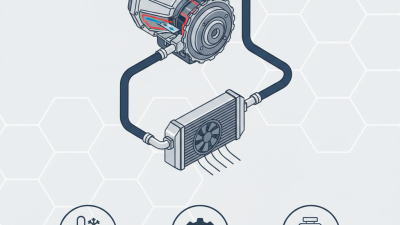
Oil coolers play a vital role in enhancing the performance of torque converters. They help maintain optimal operating temperatures, preventing overheating during intense driving scenarios. This is crucial, as overheating can lead to reduced efficiency and increased wear and tear on mechanical components. Using an efficient oil cooler can extend the lifespan of the torque converter and enhance engine performance.
Tips: Regularly check your oil cooler for any signs of damage or leaks. An undetected issue can lead to larger problems down the line. It is advisable to use high-quality oil, as it helps improve heat dissipation.
The right oil cooler can significantly impact your vehicle's performance. Look for options that fit your specific torque converter model. Adequate airflow and size are essential considerations. Some might find that aftermarket options provide better cooling than stock versions. Always ensure proper installation to avoid air pockets, which can hinder performance.
Key Features to Look for in an Oil Cooler
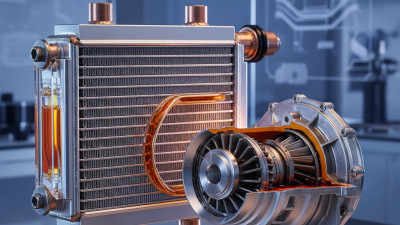
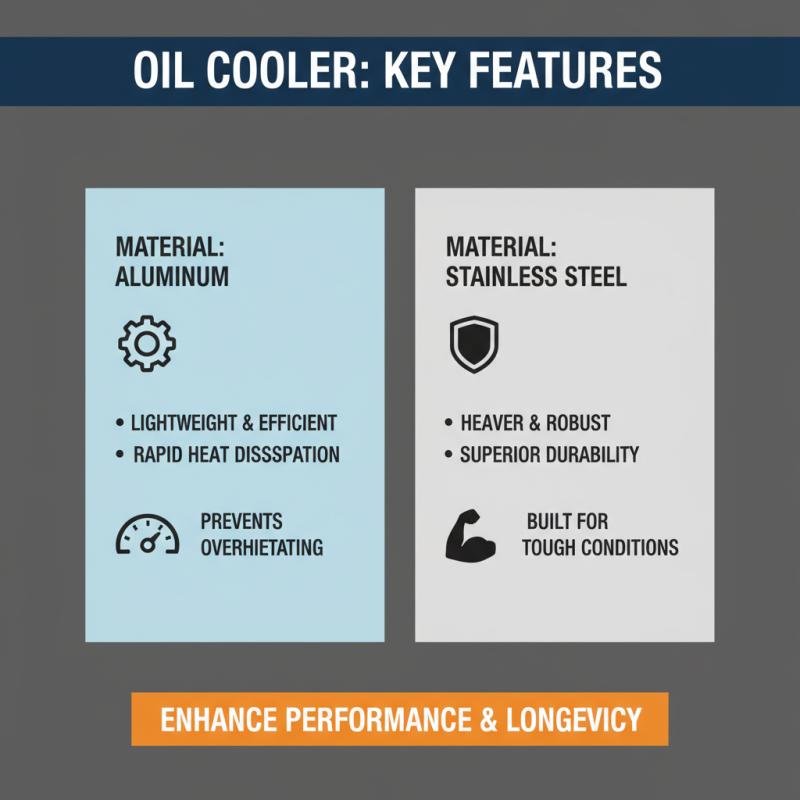
When selecting an oil cooler for your torque converter, several key features can significantly enhance performance. First, consider the material. Aluminum coolers are lightweight and efficient. They dissipate heat effectively, which prevents overheating during intense driving conditions. Stainless steel options, while heavier, offer durability. Each material has its strengths, depending on your specific needs.
Next, look for the size and flow rate. A larger cooler with a higher flow rate can handle more oil, thus enhancing cooling efficiency. Proper sizing is crucial; too small may restrict flow, while oversized units can lead to longer warm-up times. Additionally, the design of the cooler's fins can impact airflow and cooling potential. Remember, it's not just about choosing a cooler; it's about matching it to your vehicle's requirements.
Installation ease is another factor to weigh. A complex setup may cause more issues than it solves. Ensure that the cooler is compatible with your existing system. Some products claim easy installation, but not all deliver. Always reflect on customer reviews and expert insights. Clarity in expectations can help avoid future regrets. Balancing these features can ultimately lead to improved performance and reliability.
Top Oil Cooler Options for Torque Converter Performance
When it comes to enhancing torque converter performance, selecting the right oil cooler is crucial. A quality oil cooler helps maintain optimal fluid temperatures, which directly impacts the efficiency of the torque converter. By preventing overheating, these coolers ensure smooth transmission operation and prolong the life of critical components.
Several options are available for oil coolers. Air-cooled models are common. They rely on airflow to dissipate heat. Liquid-cooled systems offer better performance, particularly in high-demand situations. They use coolant to regulate temperatures effectively. Each type has its unique benefits, but their compatibility with your vehicle's setup is essential. A mismatched cooler can lead to performance issues or even damage.
Installation can be challenging. Proper alignment and secure connections are necessary for the best results. Over time, some users struggle with leaks or inadequate cooling. Monitoring fluid levels regularly can help avoid these pitfalls. Enhancing your torque converter's performance requires careful consideration of the oil cooler options available. Investing time in research will pay off in better driving experiences.
Installation Guidelines for Torque Converter Oil Coolers
Installing a torque converter oil cooler can significantly improve your vehicle's performance. Proper installation is essential for optimal function. Start by ensuring all necessary tools and materials are at hand. The installation area should be clean and well-lit to prevent errors.
Begin by locating the best mounting position for the cooler. Ideally, it should be near the transmission. This proximity helps ensure efficient fluid circulation. It often requires the removal of some components for access. Take your time to document the original setup, as this will help during reassembly.
Next, connect the cooler to the transmission lines. Use appropriate fittings and secure all connections tightly. Leaks can cause major issues. Fluid flow direction is crucial, so double-check before finalizing the connections. After installation, run the vehicle and monitor the cooler's performance. Look for signs of fluid leaks or unusual temperature fluctuations. Reflect on any challenges faced during installation. Adapting to unexpected issues is part of the process and can prove valuable in future projects.
Maintenance Tips for Optimal Oil Cooler Functionality
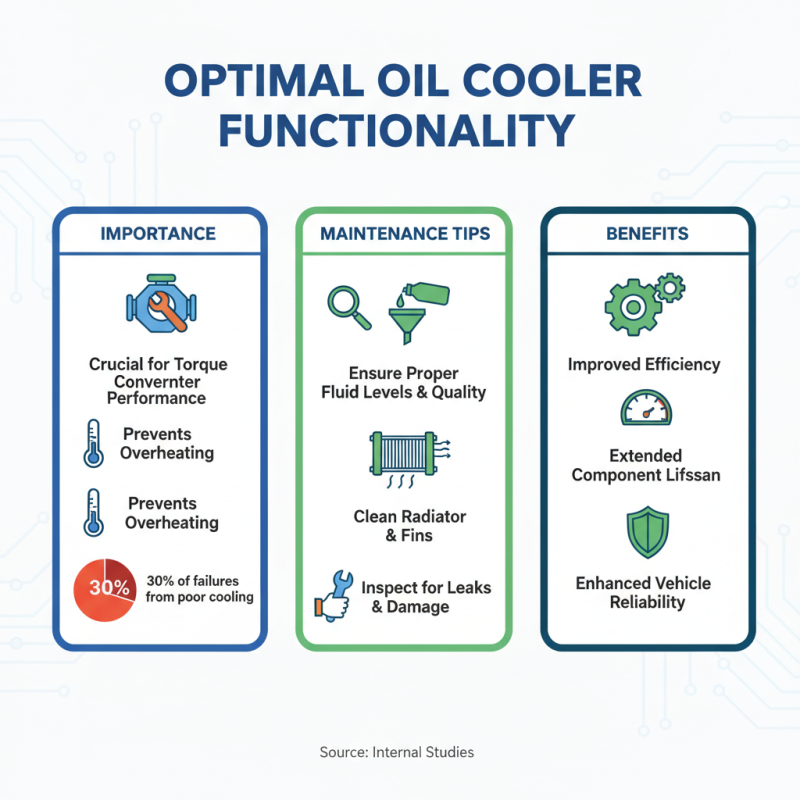
Proper maintenance of your oil cooler is crucial for optimal torque converter performance. Regular checks ensure that your vehicle's cooling system operates efficiently. Neglecting this can lead to overheating, affecting the converter’s functionality. In fact, studies show that up to 30% of torque converter failures are linked to inadequate oil cooling.
It’s essential to inspect the oil cooler for leaks. A small crack can dramatically reduce the cooling efficiency, leading to more significant problems. Clean the oil cooler regularly to prevent buildup. Dirt and debris can obstruct airflow. According to the Society of Automotive Engineers, cooling system maintenance can enhance performance by 15% in some instances.
Additionally, monitor the oil cooler's temperature. Aim for it to remain within the recommended range. High temperatures can cause the oil to break down, leading to potential engine damage. While many enthusiasts focus on upgrades, sometimes the best approach is ensuring existing components function well. Regular maintenance is often overlooked yet can yield significant benefits.