2026 How to Choose the Best Oil Cooler for Torque Converter?
When it comes to maximizing the performance of your vehicle, choosing the right oil cooler for the torque converter is vital. Renowned automotive engineer and oil cooler specialist, John Stevenson, once stated, "A well-selected oil cooler for torque converters can mean the difference between optimal performance and failure.” His words emphasize the importance of selecting the right component for your setup.
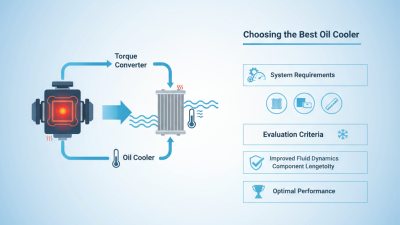
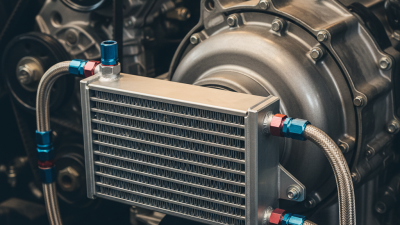
An oil cooler for torque converter plays a crucial role in maintaining transmission fluid temperature. High temperatures can lead to reduced efficiency and premature failure. The right cooler can enhance overall performance by preventing overheating, especially during heavy loads or towing.
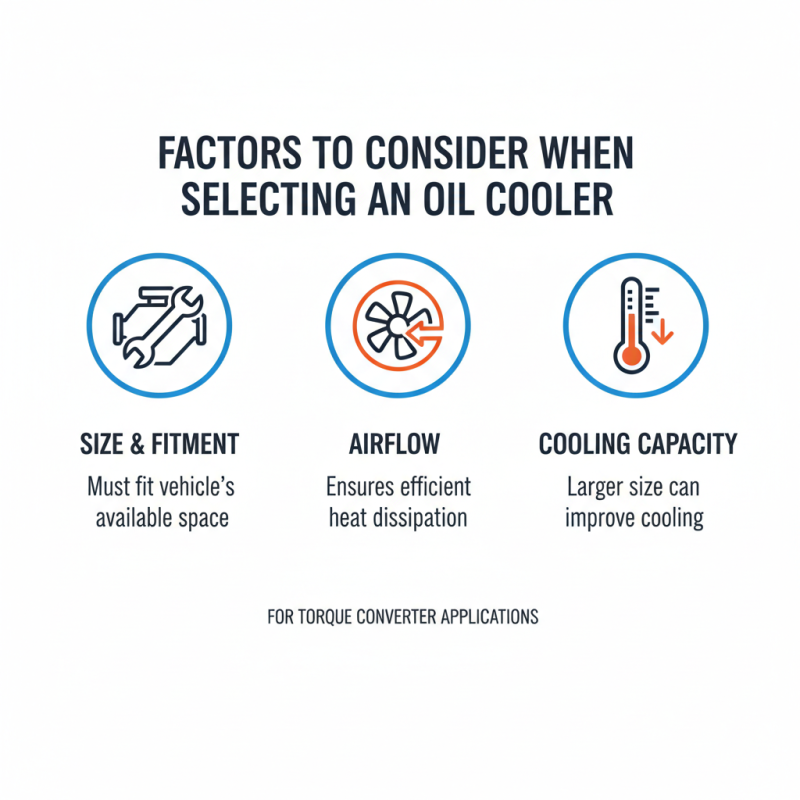
While many focus solely on horsepower, neglecting proper cooling could lead to engine damage. It's important to evaluate factors such as size, airflow, and compatibility with your vehicle. Reflecting on your choice can yield surprising insights. Is bigger always better? Not necessarily. It's essential to think critically about your unique needs and the specific demands of your engine system.
Understanding Torque Converters and Their Cooling Needs
Understanding torque converters is crucial for optimal vehicle performance. A torque converter facilitates smooth power transfer from the engine to the transmission. However, this process generates heat. High heat levels can reduce efficiency and damage components.
Cooling systems play a significant role. According to a study by the Society of Automotive Engineers, overheating can lead to a 20% decrease in torque converter efficiency. Proper oil cooling mechanisms prevent excessive heat. Most experts recommend maintaining oil temperature between 170°F and 220°F for optimal operation.
Selecting the right oil cooler becomes essential. It should match the torque converter's capacity and vehicle type. A well-chosen cooler can enhance responsiveness and longevity. Pay attention to specifications and installation. Inadequate or mismatched coolers may cause more issues than benefits. Regular maintenance checks are necessary to ensure the system functions efficiently.
Key Features of an Effective Oil Cooler
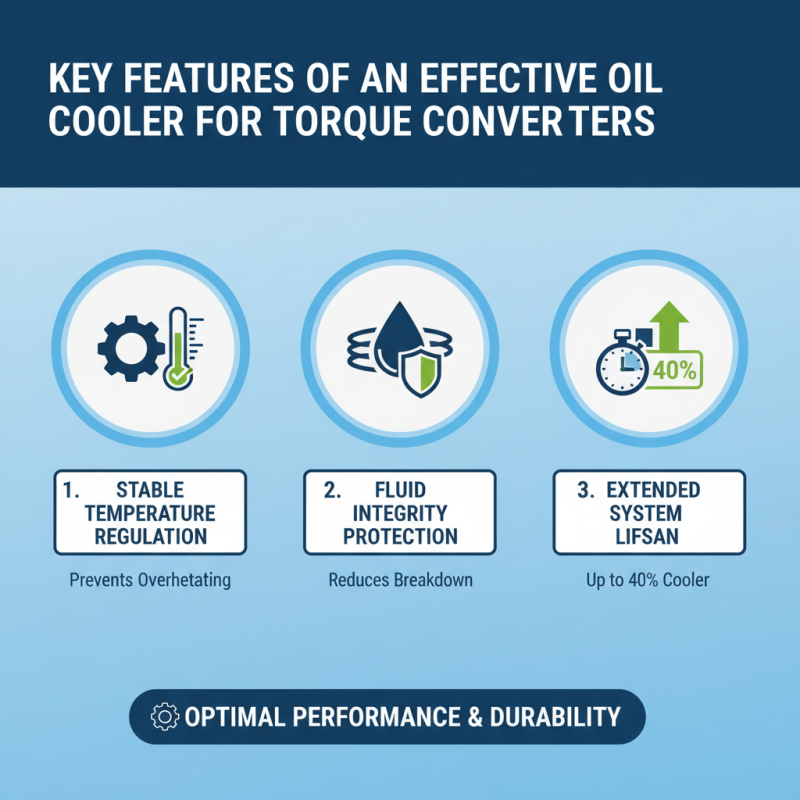
Choosing the right oil cooler for a torque converter is crucial for optimal performance. An effective oil cooler ensures that transmission fluid maintains a stable temperature, preventing overheating. This is vital because excessive heat can lead to fluid breakdown and increased wear on components. According to recent studies, a good oil cooler can reduce transmission temperatures by up to 40%, significantly extending the lifespan of the system.
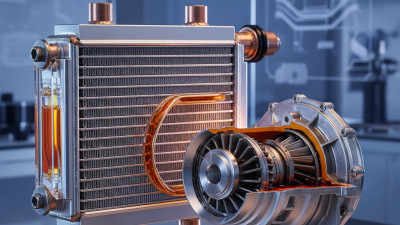
Key features of an effective oil cooler include its size, design, and material. The cooler must have a surface area sufficient to dissipate heat efficiently. A design that promotes airflow helps in managing heat transfer effectively. For instance, plate-and-fin designs are known for their compactness and efficiency. Furthermore, using high-quality materials like aluminum can enhance durability while minimizing weight.
When evaluating oil coolers, consider flow rates and pressure differentials too. High flow rates often indicate better cooling effectiveness. Yet, very high pressure might signal potential restrictions in the system. Balancing these elements is crucial for seamless integration into existing setups. Proper installation is equally important; a poorly installed cooler can lead to unwanted leaks or reduced efficiency. Each of these factors is essential in choosing the best oil cooler for a torque converter.
Types of Oil Coolers Suitable for Torque Converters
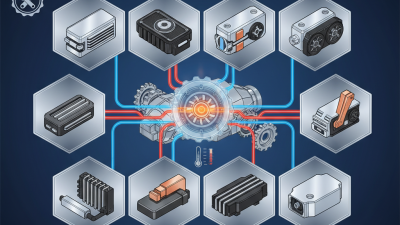
When considering oil coolers for torque converters, you have various options available. These can significantly impact performance and durability. Two main types come to mind: air-cooled and fluid-to-fluid coolers. Air-cooled systems are more straightforward and easier to install. They use air flow to dissipate heat. However, they may not be as efficient under heavy load scenarios.
On the other hand, fluid-to-fluid oil coolers offer increased efficiency. They transfer heat between the engine's coolant and the transmission fluid. This design allows for quicker cooling in demanding conditions. However, they can be more complex and might require additional maintenance. It's important to assess your specific needs honestly. An oil cooler that works for one setup may not be ideal for another. Reflect on factors like traffic conditions and vehicle usage. Balancing heat management and installation complexity is crucial for optimal performance.
Installation Tips for Maximum Oil Cooler Performance
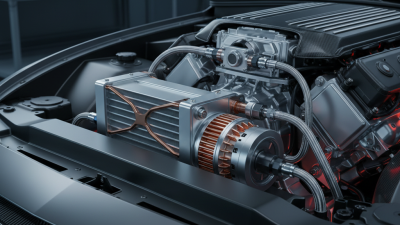
Installing an oil cooler for your torque converter can significantly enhance performance. Proper installation is crucial for achieving maximum efficiency. Start by selecting a suitable location. The cooler should receive ample airflow. This placement helps to dissipate heat effectively. Ideally, mount it in front of the radiator but ensure it’s not obstructed.
Next, focus on the connections. Use high-quality hoses to prevent leaks. Secure all fittings tightly to avoid any issues. Pay attention to the orientation of the cooler. It should allow for optimal fluid flow. Additionally, a clean installation area matters. Remove dirt and debris before starting. This detail helps maintain the integrity of the components.
Lastly, check your work. Inspect hoses and fittings after installation. Run the engine and monitor for leaks. It’s essential to verify performance before hitting the road. Even minor mistakes can lead to significant problems later. Take time to reflect on your installation process. Continuous learning from each project improves future installations.