How to Choose an Oil Cooler for Torque Converter Effectively?
Choosing the right Oil Cooler for Torque Converter is crucial for enhancing vehicle performance. According to a 2022 industry report, improper cooling can lead to significant losses in efficiency. Experts recommend that overheating can reduce torque converter lifespan by over 30%. Renowned automotive engineer Dr. James Hartman states, “A well-selected oil cooler can drastically improve torque converter reliability.”
The market is filled with various options that promise high efficiency, yet not all meet the necessary requirements. Factors such as size, material, and design can affect performance. A mismatched oil cooler can lead to inefficiencies that compromise your vehicle's performance. This decision must be informed and thorough.
Even industry leaders make mistakes. Wrong assumptions about compatibility can turn a purchase into a wasteful expense. Inadequate research can result in a negative impact on engine cooling. Optimizing your choice calls for careful consideration of specific vehicle needs and conditions. Finding the ideal Oil Cooler for Torque Converter is not just about the price; it’s about value and performance.
Understanding the Basics of Torque Converters and Oil Coolers
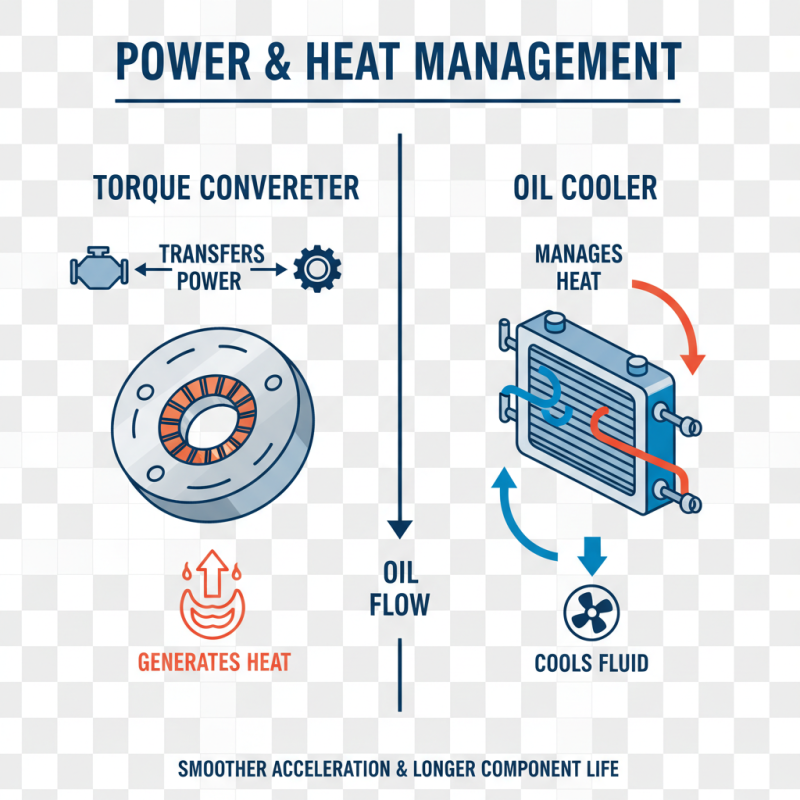
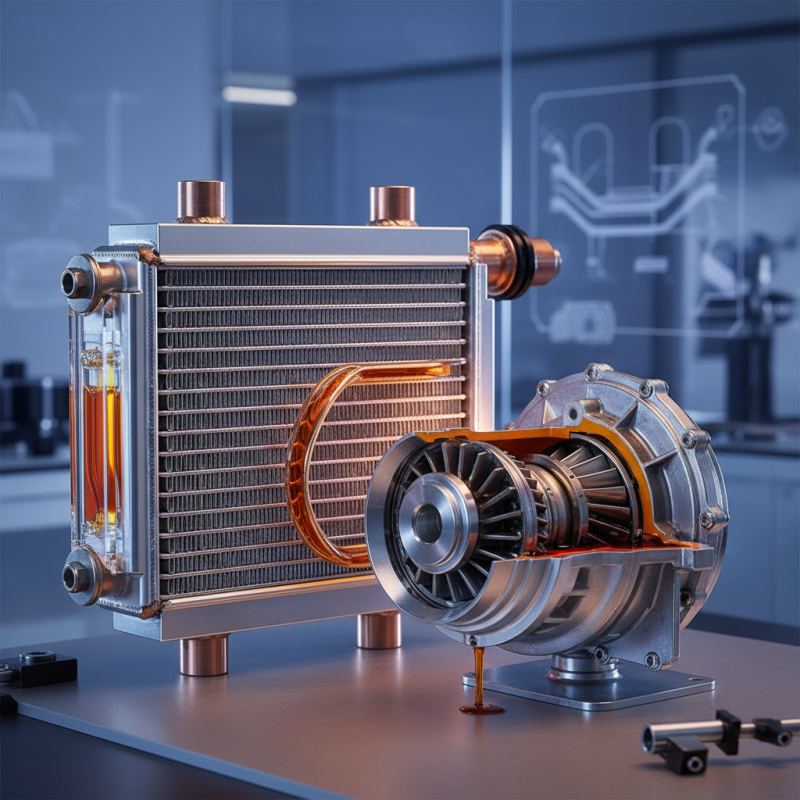
When focusing on torque converters and oil coolers, it's crucial to understand their roles. Torque converters transfer power from the engine to the transmission. They help with smooth acceleration. However, they generate heat too. An oil cooler helps manage this heat effectively.
Choosing an oil cooler requires consideration of several factors. Size is important. An oversized cooler may not fit well. Too small? It won’t provide adequate cooling. Pay attention to the fluid flow as well. It should match your vehicle's specifications. A mismatch can lead to inefficiency.
Tips: Ensure proper installation. A poorly installed cooler can cause leaks. Monitor fluid temperatures regularly. High temperatures can signal problems. Consider the environment too. If driving in hot areas, beef up your cooling system. This choice can significantly affect your vehicle's performance.
Factors to Consider When Selecting an Oil Cooler for Torque Converters
Choosing the right oil cooler for a torque converter is crucial. Proper cooling enhances performance and prolongs the lifespan of the converter. Several factors need to be assessed during the selection process. The capacity of the oil cooler is one key consideration. An adequately sized cooler helps maintain optimal operating temperatures. Reports indicate that a cooler can reduce operating temperatures by up to 20°F, which is significant.
Flow rates also matter. A higher flow rate allows for better oil circulation. This can improve heat dissipation. Many systems operate best with flow rates of 30-50 GPM. Matching the flow rate to your specific application is essential. In some cases, too high a flow rate can lead to turbulence, which may reduce cooling efficiency.
Tips for selection: Assess your vehicle’s specific cooling needs. Consider both ambient temperature and anticipated driving conditions. A larger cooler might seem better but can create pressure drops. Always check compatibility with your system and available space. Also, remember to evaluate the installation process. It’s essential to plan thoroughly. A poorly installed cooler can lead to leaks or reduced effectiveness. Take your time in selecting the right cooler for optimal performance.
Types of Oil Coolers Suitable for Torque Converter Applications
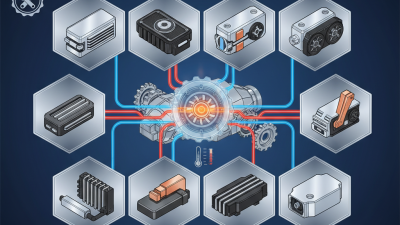
Choosing the right oil cooler for a torque converter is crucial for efficient operation. Various types of oil coolers are designed specifically for this purpose. Plate and fin coolers are popular due to their compact size and lightweight design. They efficiently dissipate heat, making them suitable for high-performance vehicles. Tube and shell coolers offer greater thermal transfer. However, they can be bulkier and heavier.
Air-cooled options are also available and function by utilizing airflow to cool the oil. They are often less costly, but their efficiency can depend on the vehicle’s speed and airflow conditions. Liquid-cooled systems integrate with the vehicle’s cooling system, but they might require more complex installation. Each type has its pros and cons, making the selection process a bit overwhelming.
It’s essential to consider the specific needs of your application. The size of the cooler should match the engine’s cooling requirements, and the type of oil being used can affect the choice. Improper selection can lead to poor performance or even overheating issues. Reflecting on these factors will guide you toward making a more informed decision.
How to Choose an Oil Cooler for Torque Converter Effectively?
| Type of Oil Cooler |
Material |
Cooling Efficiency |
Ideal Applications |
Installation Complexity |
| Air-to-Oil Cooler |
Aluminum |
Moderate |
General automotive applications |
Low |
| Water-to-Oil Cooler |
Copper |
High |
High-performance vehicles |
Moderate |
| Plate Heat Exchanger |
Stainless Steel |
Very High |
Industrial machinery |
High |
| Tube-and-Fin Cooler |
Aluminum |
Moderate to High |
Trucks and SUVs |
Low to Moderate |
| Fin-type Oil Cooler |
Aluminum |
Moderate |
Light-duty applications |
Low |
Installation Guidelines for Torque Converter Oil Coolers
When installing a torque converter oil cooler, precise guidelines ensure effective performance. Begin by selecting a suitable location for installation. The cooler should have sufficient airflow. It’s essential to mount it in a spot that minimizes the risk of damage from road debris.
Tips: Utilize high-quality clamps for secure attachment. This prevents vibration-related issues.
Next, ensure that the oil lines are properly routed. Avoid sharp bends. Smooth curves facilitate better oil flow. Inspect the lines for any signs of wear. Any leaks can severely affect the cooler’s efficiency.
Tips: Double-check all connections. A loose fitting can lead to fluid loss.
Finally, monitor the installation frequently. Listen for unusual noises and check for overheating. These could indicate issues requiring immediate attention. Taking proactive measures is crucial. Always note the cooler's performance to make timely adjustments.
Maintenance Tips for Optimizing Torque Converter Oil Cooler Performance
Maintaining your torque converter oil cooler is essential for optimal performance. Regular checks can prevent costly issues. Start by inspecting the cooler for leaks and damage. A slight crack can impact the efficiency of the whole system. If you notice any oil residue, address it immediately.
Change the oil regularly. Old or contaminated oil can hinder the cooler’s function. Use a quality filter to remove particles. This simple step can make a significant difference. Monitor the temperature of the oil. It should remain within the recommended range. High temperatures signal trouble and may lead to long-term damage.
Consider cleaning the cooler periodically. Dust and debris can build up and reduce airflow. Pay attention to the fins and ensure they are free from obstruction. It's a small task but can enhance cooling efficiency. If you find any persistent issues, reflect on whether your current setup suits your vehicle's demands. Adjustments may be necessary for optimal results.
Torque Converter Oil Cooler Performance Metrics