How to Choose the Best Cooling Systems for Your Home?
Choosing the right cooling systems for your home is essential in today's climate. According to the U.S. Department of Energy, approximately 20% of residential energy use comes from cooling. This significant figure highlights the importance of selecting efficient systems that suit your home. Inefficient cooling solutions lead to high energy bills and discomfort during hot months.
Numerous options exist, from central air conditioning to ductless mini-splits. Each type has pros and cons that vary based on your living space and budget. For example, central systems work well for larger homes but can be costly. Ductless systems provide flexibility and can lower energy costs. Yet, not all homes are equipped for such installations.
It’s vital to consider factors like climate, space, and energy efficiency ratings. A system that works well for one home may not suit another. Reflecting on these aspects can lead to better choices. The right cooling systems can improve comfort and reduce environmental impact.
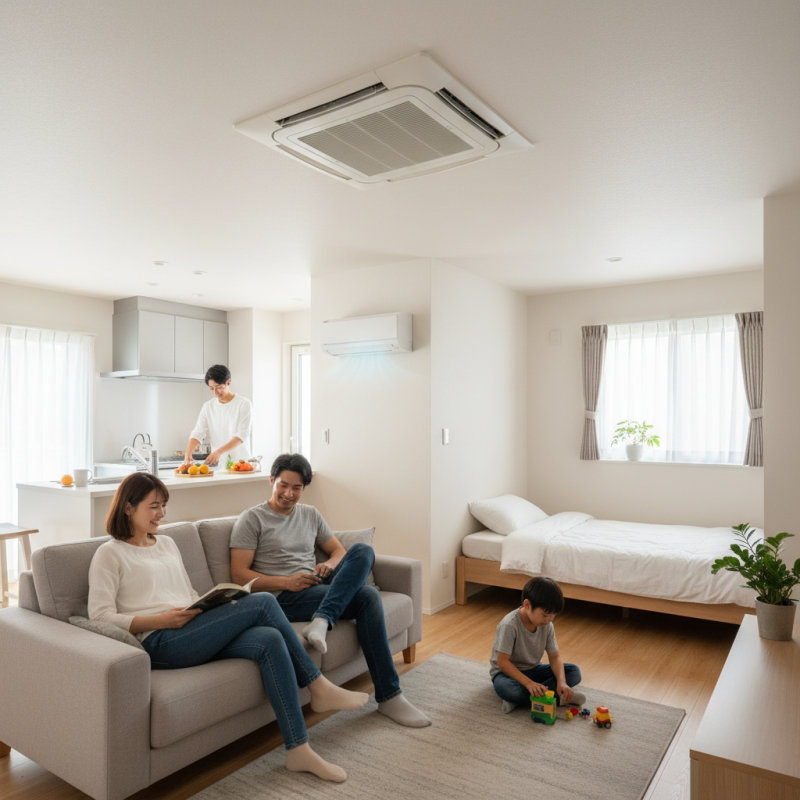
Understanding Different Types of Cooling Systems for Homes
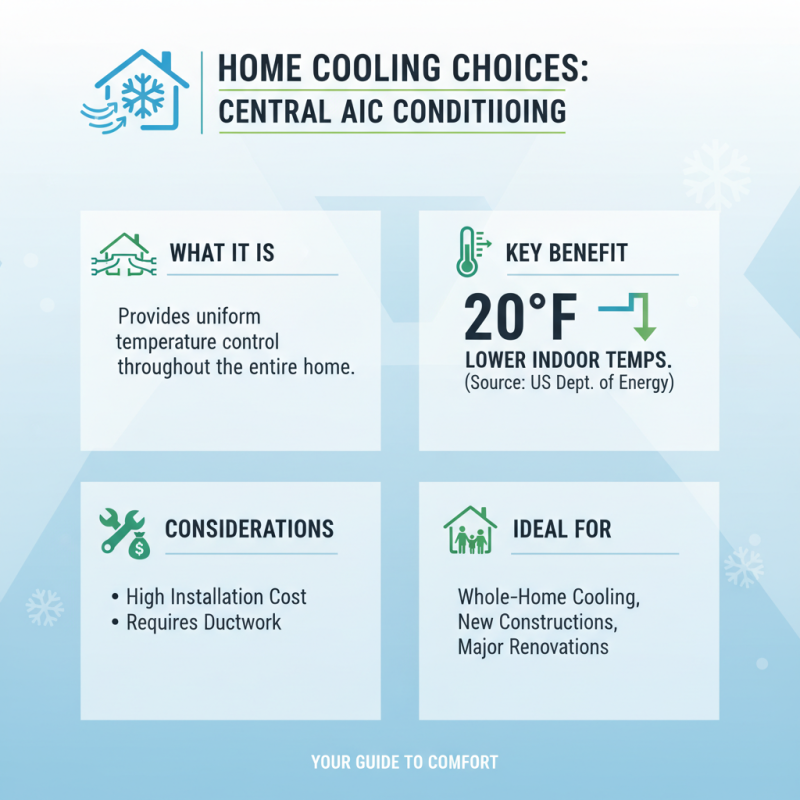
When it comes to cooling systems, homeowners face a variety of choices. Central air conditioning is a popular option. It provides uniform temperature control throughout the home. According to the U.S. Department of Energy, central AC can lower indoor temperatures by up to 20 degrees Fahrenheit. However, installation can be costly and requires ductwork.
Another option is ductless mini-split systems. These are efficient and easier to install. They require no ductwork and allow for zone cooling. Energy.gov reports that these systems can save homeowners 30% on energy costs compared to traditional units. However, they can be more expensive upfront, and some may not find the aesthetic appealing.
Portable air conditioners are also a consideration. They are adaptable and renters often prefer them. Yet, they typically cool a single room and can be noisy. According to recent industry reports, portable units may not be suitable for larger spaces. Each system has its pros and cons. It's essential to evaluate your cooling needs and budget. Be aware that sometimes, lower upfront costs may lead to higher long-term energy expenses.
Assessing Your Home's Size and Insulation Needs
When choosing the right cooling system for your home, consider its size and insulation. A well-insulated home will retain cool air better. If your space isn’t insulated properly, even the best system will struggle. Inspect your walls, attic, and windows for gaps. These areas often let in heat.
Measure each room’s dimensions. Larger rooms need more cooling power. Don’t forget about ceiling height. High ceilings can require different solutions. Rooms facing the sun may also need more cooling. Evaluate the layout carefully.
Your home’s insulation can be a work in progress. If you notice drafts, address them before investing in a system. Add insulation where necessary. Reflect on your current cooling setup. Is it efficient? Are there areas that remain too hot? Balancing size and insulation will guide you in selecting the best cooling option.
Evaluating Energy Efficiency Ratings of Cooling Units
When evaluating energy efficiency ratings for cooling units, it's essential to understand the metrics at play. Look for the Seasonal Energy Efficiency Ratio (SEER). Higher SEER ratings indicate better efficiency. This can lead to reduced electricity bills over time. Also, be mindful of the Energy Star label, which signifies products that meet strict energy efficiency guidelines.
Tips: Check the SEER rating before buying. Compare energy consumption of similar units. A small difference in rating can mean significant savings.
Consider the size of your cooling unit. A unit too small will struggle to cool adequately. One that’s too large will cycle on and off frequently, wasting energy. This inefficiency can lead to higher energy costs. It’s crucial to calculate the right size based on your home’s square footage.
Tips: Use a professional calculator to find the right size. Don’t go by guesswork alone. A wrong size can be costly in the long run.
Remember that energy efficiency isn't just about the unit itself. It involves proper installation and maintenance. An improperly installed system can lose efficiency. Regular checks can keep your cooling system running well. Also, consider using programmable thermostats to maximize efficiency.
How to Choose the Best Cooling Systems for Your Home? - Evaluating Energy Efficiency Ratings of Cooling Units
| Cooling Unit Type |
Energy Efficiency Ratio (EER) |
Seasonal Energy Efficiency Ratio (SEER) |
Cooling Capacity (BTU/hr) |
Annual Operating Cost ($) |
| Window Air Conditioner |
10.6 |
14.0 |
8000 |
150 |
| Portable Air Conditioner |
9.5 |
13.5 |
9000 |
180 |
| Split Air Conditioner |
12.0 |
16.0 |
12000 |
200 |
| Central Air Conditioning |
14.0 |
18.5 |
24000 |
350 |
| Ductless Mini-Split |
15.0 |
20.0 |
9000 |
160 |
Considering Climate and Environmental Factors in Your Area
When choosing a cooling system for your home, consider your local climate. For hotter areas, a powerful air conditioning unit is often necessary. In contrast, moderate climates may only require fans or evaporative coolers. Understanding your environment can help you make an informed choice.
Another important factor is humidity levels. In humid regions, a dehumidifier might be essential. Reducing moisture can enhance comfort. If you overlook this, even the best cooling system may fall short. Evaluate your home's insulation too. A well-insulated home keeps cool air inside and hot air out.
Reflect on the energy efficiency of your cooling system. Lower energy costs can help long term. However, high initial costs may require careful planning. Finding a balance can be tricky. Think about local regulations as well, as some areas encourage environmentally friendly options. This might involve additional research, but it could lead to better choices.
Budgeting for Installation and Maintenance of Cooling Systems
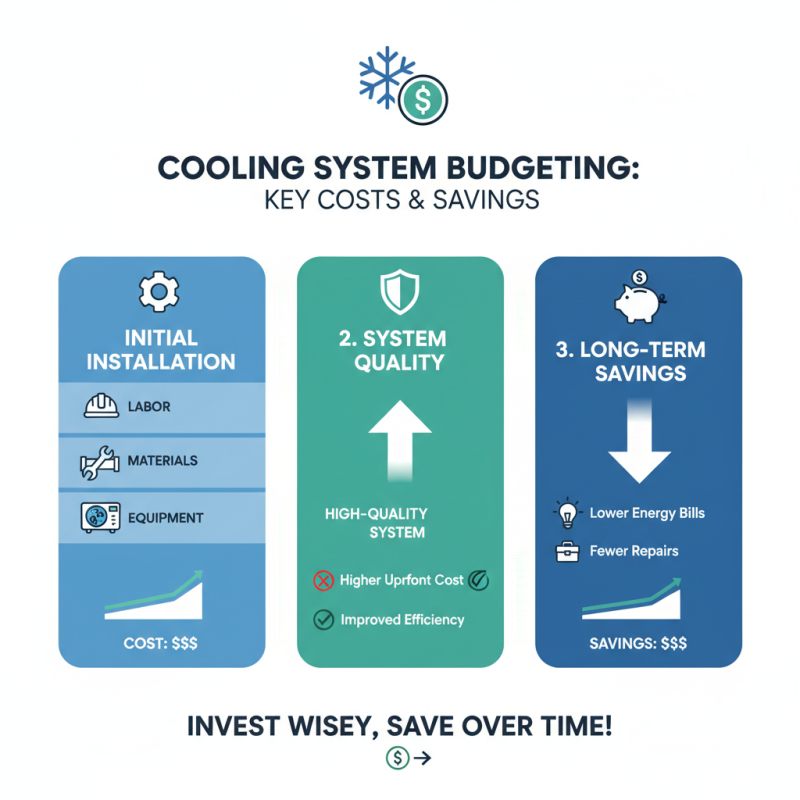
When planning for cooling systems, budgeting is crucial. Understand the costs involved. Initial installation fees can vary widely. Consider labor, materials, and equipment. A high-quality system might seem expensive, but it could save money in the long run.
Don't forget about maintenance. Regular upkeep is essential. Prices for service calls can add up. Sometimes, unexpected repairs can occur. Setting aside a maintenance fund could alleviate stress later. Track your spending to identify patterns.
Also, think about energy efficiency. A more efficient system may have a higher upfront cost but lower monthly bills. Research potential savings. Every small detail contributes to your overall budget. Reflect on choices made to ensure they fit well within your financial plan.