How to Choose the Right Oil Cooler for Torque Converter?
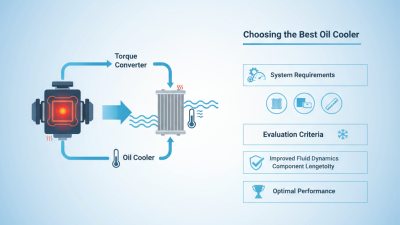
Choosing the right oil cooler for torque converter applications can significantly impact performance. An effective oil cooler can help maintain optimal temperatures and enhance efficiency. Understanding the specifics of your vehicle's needs is vital. Factors like vehicle type, driving style, and environmental conditions play a role in your choice.
Oil coolers come in various designs and sizes, making selection a challenge. Not all coolers are created equal, and a poor choice can lead to overheating. Moreover, it's essential to consider compatibility with your existing system. Researching and evaluating different options is crucial for informed decision-making.
While some may overlook the importance of an oil cooler for torque converter, this component is critical for longevity and reliability. A suitable oil cooler can prevent unnecessary wear and extend the lifespan of your torque converter. While there are many choices available, reflection on your specific needs will guide you to the best option. Balancing cost and quality is not easy, but it's necessary for optimal results.
Factors to Consider When Selecting an Oil Cooler for Torque Converters
Choosing the right oil cooler for a torque converter is essential for performance. The primary factors to consider include thermal efficiency, flow rate, and size. An oil cooler with high thermal efficiency helps maintain optimal operating temperatures. Reports indicate that maintaining fluid temperatures below 200°F can significantly enhance torque converter longevity.
Flow rate is another crucial factor. Higher flow rates reduce the risk of cavitation, leading to inefficient cooling. According to industry studies, a minimum flow rate of 20 liters per minute is recommended for most applications. However, actual requirements may vary based on your specific system.
Tips: Always check compatibility with your vehicle's specifications. An undersized cooler can lead to overheating. A larger cooler might not fit well due to space restrictions.
Size matters, too. A cooler that is too large may disrupt air flow in tight spaces. This can lead to unanticipated performance issues. It's vital to balance size with the cooling requirements. Often, complex setups require trial and error to find the optimal match.
Be prepared for some trial and error when trying different cooler configurations. What works for one vehicle may not work for another. Adjusting and testing can help you find the best solution for your needs.
Understanding the Role of Oil Coolers in Torque Converter Efficiency
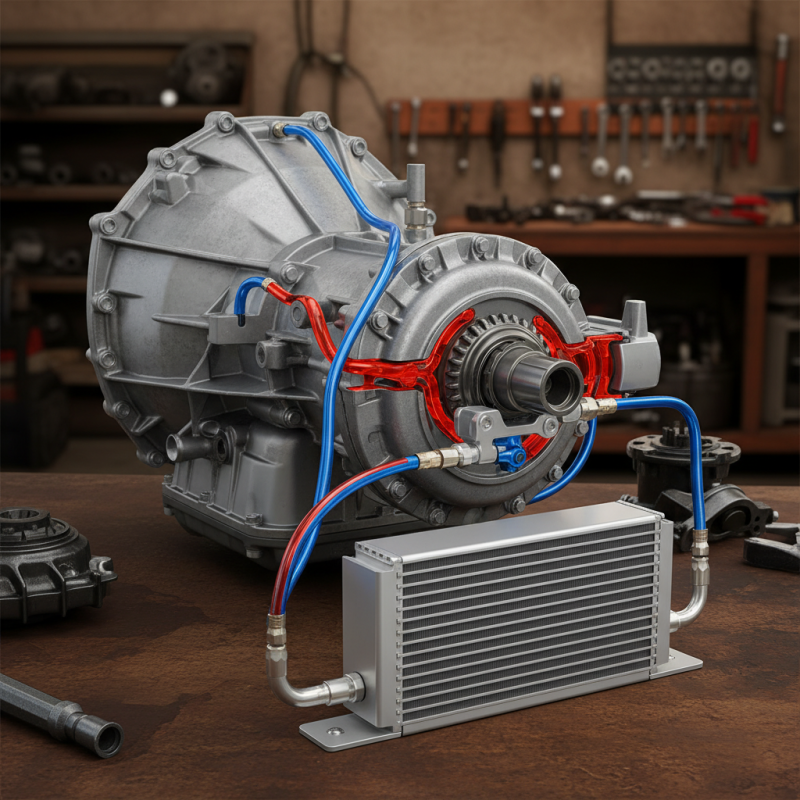
Oil coolers play a vital role in maintaining the efficiency of a torque converter. By managing the temperature of the transmission fluid, they prevent overheating and ensure optimal performance. When the fluid is too hot, it can lead to reduced efficiency and potential damage. Thus, understanding the function of oil coolers is crucial for any vehicle owner looking to enhance their transmission’s longevity.
Choosing the right oil cooler requires careful consideration of your vehicle’s needs. Consider the engine size and operating conditions. Larger engines may experience higher temperatures, necessitating a more robust cooler. Don’t overlook installation space; some coolers are bulkier than others.
Tips: Always check the fluid type recommended for your cooler. Using the wrong fluid can result in ineffective cooling. Additionally, consider adding a temperature gauge. Monitoring oil temperature helps you address issues before they escalate. Regular maintenance is essential; dirty coolers can impair performance. Cleaning or replacing your oil cooler can significantly enhance your torque converter's effectiveness. Evaluate your choices and make informed decisions to boost your vehicle's efficiency.
Oil Cooler Types and Their Impact on Torque Converter Performance
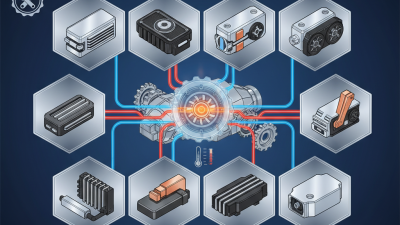
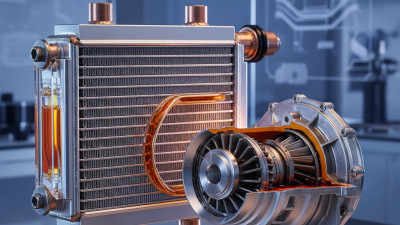
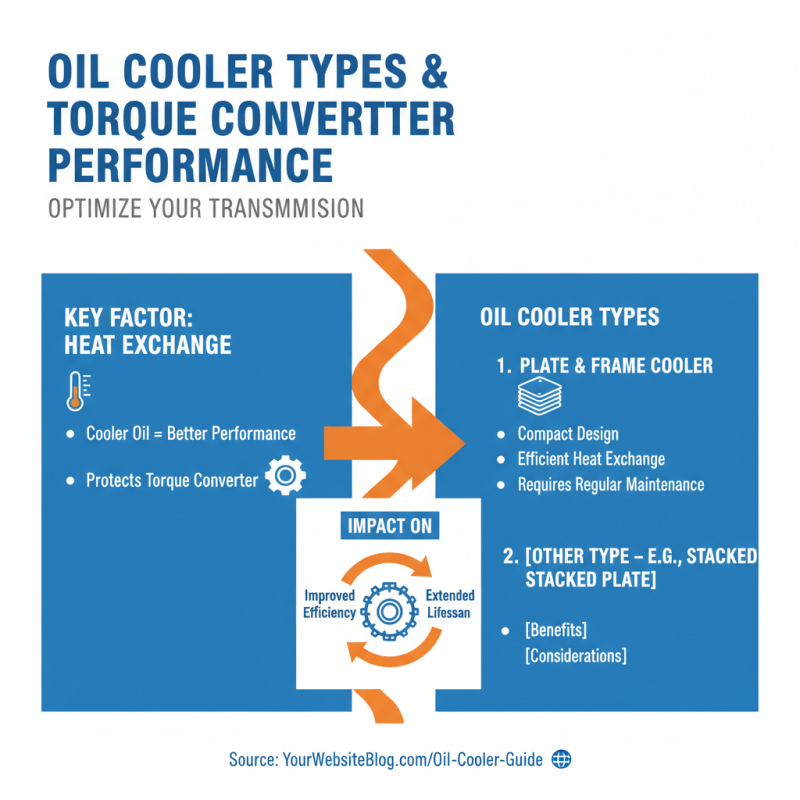
Choosing the right oil cooler can significantly influence the performance of your torque converter. There are several types of oil coolers available, each with distinct characteristics. A plate and frame cooler, for instance, can offer efficient heat exchange. It is compact but may require regular maintenance to ensure it functions well.
The size and design of the oil cooler also affect the cooling efficiency. A larger cooler might dissipate heat more effectively, but it could take up valuable space. The placement of the oil cooler is critical too; it should be in a location that promotes good airflow. Poor placement can result in inadequate cooling, leading to performance issues.
Different materials used in coolers can impact durability and performance as well. Aluminum is lighter and highly conductive, whereas steel can be more durable but heavier. Consider the specific application when selecting a cooler. A match between the cooler type and torque converter demands leads to better overall performance. Regular monitoring and adjustments may be needed to ensure optimal functioning over time.
Key Performance Metrics to Evaluate in Oil Cooler Specifications
Selecting the right oil cooler for a torque converter requires a deep understanding of certain performance metrics. These metrics often include the cooler's heat exchange capability, pressure drop, and compatibility with the fluid used. According to industry reports, an effective oil cooler can reduce transmission temperatures by up to 20%, significantly improving performance and longevity.
Heat exchange capacity is crucial. A cooler should efficiently transfer heat from the oil to the air or coolant. Research indicates that a cooler with a larger surface area and efficient airflow could provide a reduction in transmission temperatures, often leading to a notable decrease in wear rates. On the other hand, a high-pressure drop across the cooler may indicate restrictive flow, which can adversely affect the torque converter’s performance.
Compatibility with the transmission fluid type is another key element. Some coolers work better with synthetic oils, while others may not. The choice can influence thermal conductivity and overall effectiveness. Reports suggest that misalignment in compatibility can lead to poor performance or even failure of the cooling system. A balance between these metrics will ensure optimal functioning of the torque converter and extend the lifespan of the vehicle's transmission system.
Oil Cooler Performance Metrics for Torque Converters
Installation Best Practices for Optimizing Oil Cooler Functionality
When it comes to installing an oil cooler for a torque converter, proper installation is crucial. A well-installed oil cooler can significantly enhance transmission efficiency. According to the Transmission Fluid Heat Transfer Report (2021), maintaining optimal fluid temperatures increases the lifespan of the transmission.
Choosing the right location is essential. Position the cooler in an area with ample airflow, such as the front of the vehicle. Ensure that the cooler is securely mounted to prevent vibrations. Many installers overlook the need for adequate mounting, which can lead to cooler damage over time.
Tips: Ensure all hoses and connections are tight. Check for leaks after installation. Incorrectly tightened hoses can lead to fluid loss and overheating. Regular maintenance is key. Monitor the cooler’s performance as environmental conditions change. Even small variations can impact the efficiency of the oil cooler.
How to Choose the Right Oil Cooler for Torque Converter? - Installation Best Practices for Optimizing Oil Cooler Functionality
| Dimension |
Importance |
Optimal Value |
Suggested Material |
Installation Tips |
| Cooling Capacity |
Prevents overheating |
15,000 BTU/hr |
Aluminum |
Ensure proper airflow |
| Size |
Fits within engine bay |
12" x 4" x 2" |
Steel |
Measure available space |
| Pressure Rating |
Durability against system pressure |
100 PSI |
Aluminum |
Use reinforced hoses |
| Mounting Type |
Stability during operation |
Horizontal/Vertical options |
N/A |
Use vibration dampers |
| Connector Type |
Compatibility with existing system |
AN fitting |
Nylon or braided steel |
Align connections properly |