How to Choose the Right Cooling Systems for Your Home?
Choosing the right cooling systems for your home is essential. The summer heat can be unbearable, and a suitable cooling system can make a big difference. Many factors come into play when selecting the right option.
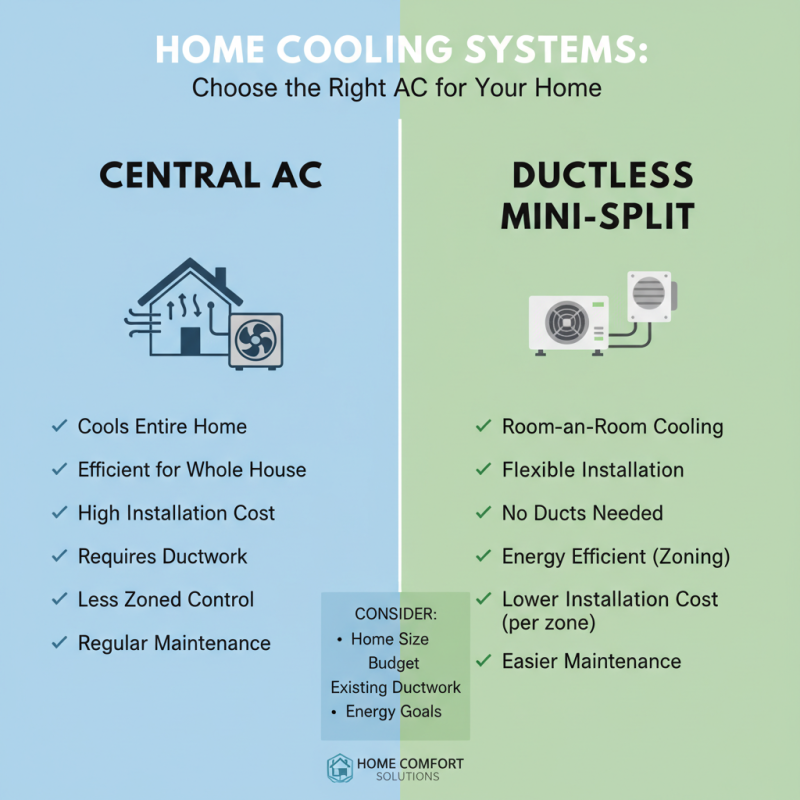
Different types of cooling systems vary in efficiency and cost. Central air conditioning offers consistent temperature control. Window units are affordable but can be noisy. Ductless systems provide flexibility, yet they require proper installation. It’s vital to think about the layout of your home and your personal preferences.
Often, we overlook the impact of energy consumption on our bills. Making an informed choice can lead to significant savings. Take the time to research and reflect on your specific needs. Choosing wisely can enhance comfort and optimize energy use. Your home deserves a cooling system that works well and meets your requirements.
Understanding Different Types of Cooling Systems for Homes
Choosing the right cooling system for your home can be overwhelming. There are several types available, each with unique features. Central air conditioning units are popular. They cool entire homes efficiently. However, they can be costly to install and maintain. Ductless mini-split systems are worth considering. They offer flexibility in installation, especially for homes without ductwork. This option allows for room-by-room temperature control.
Another option is evaporative coolers. They work best in dry climates. These systems use water for cooling, making them energy-efficient. On the downside, they may not be effective in high humidity. Additionally, window units are a practical choice for small spaces. They are easy to install and can be affordable. But they might not cool larger areas as effectively.
When selecting a cooling system, consider your home's layout and climate. Think about your budget and energy efficiency. Analyze your long-term needs as well. Each option has pros and cons. You might feel drawn to one but find it unsuitable after some time. Make sure to do thorough research. Testing different systems in your space may help you decide.
Assessing Your Home's Size and Layout for Optimal Cooling
When choosing a cooling system, the size and layout of your home are crucial factors. Start by measuring each room. Larger spaces may need more powerful systems. Consider the number of windows and their orientation. Rooms with more sunlight may require extra cooling. This can influence the choice of air conditioners or ventilators.
Next, think about airflow. Open layouts often allow for better circulation. Conversely, smaller rooms might trap heat. This could lead to uneven cooling. If your home has multiple floors, fans or ductless systems could be beneficial. They help distribute cool air effectively. Keep in mind that duct systems might need upgrades. Older ducts can leak, wasting energy.
Finally, don’t overlook maintenance. Regular checks can prolong a cooling system's lifespan. An air conditioner may seem adequate at first. However, hidden issues can reduce its efficiency. Assess your needs periodically. This reflection is key to ensuring your home remains comfortable. Adjustments may be needed as seasons change.
How to Choose the Right Cooling Systems for Your Home? - Assessing Your Home's Size and Layout for Optimal Cooling
| Home Size (sq ft) |
Number of Rooms |
Ceiling Height (ft) |
Cooling System Type |
Cooling Capacity (BTU) |
| 1000 |
3 |
8 |
Window AC |
8000 |
| 1500 |
4 |
9 |
Split AC |
12000 |
| 2000 |
5 |
10 |
Central Air |
24000 |
| 2500 |
6 |
9 |
Ductless AC |
30000 |
| 3000 |
7 |
11 |
Central Air |
36000 |
Considering Climate and Weather Conditions in System Selection
Choosing the right cooling system for your home is crucial, especially when considering climate and weather conditions. In hot, humid areas, a robust system is essential. Central air conditioning may work best there. For dry, arid climates, evaporative coolers can be a more efficient choice.
**Tips:** Assess local humidity levels before deciding. High humidity can make even cool air feel warmer. Consider a system that offers dehumidification features. Think about your home's insulation, too. If your house isn't well-insulated, even the best system may struggle.
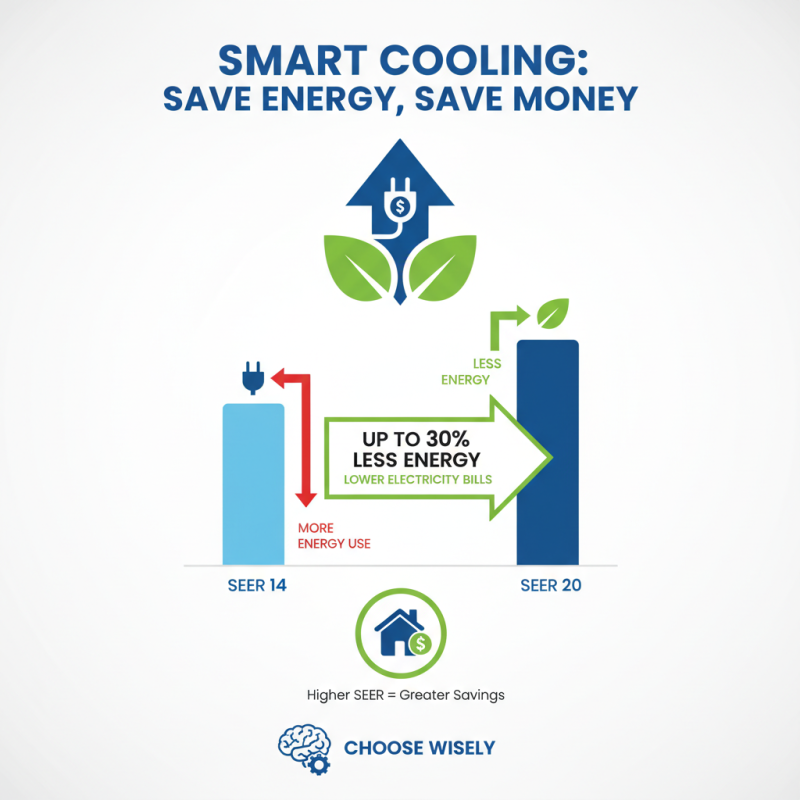
Energy efficiency is another key factor. Systems that consume less power can save you money in the long term. Check the energy ratings of potential systems. This can seem overwhelming. It’s easy to overlook small details that lead to poor choices. Don't just focus on initial costs; think long-term.
**Tips:** Monitor seasonal trends in your area. These patterns can guide your decision. Seasonal needs differ. Some systems may work well in summer but struggle in winter. Do your research to ensure year-round comfort. Always consult a professional for an assessment.
Budgeting for Purchase, Installation, and Maintenance of Cooling Systems
When budgeting for cooling systems, consider all associated costs. The initial purchase price is just one part. Installation fees can vary greatly depending on the complexity. Some homeowners underestimate these expenses, which can lead to surprises later. It's wise to get multiple quotes to understand the market rates.
Maintenance also plays a crucial role in overall budgeting. Regular upkeep can prevent costly repairs down the line. Some systems may require annual inspections or filter changes. Neglecting these tasks might save money initially but could lead to greater expenses. It's important to check warranties, as they may cover maintenance costs.
Always keep some funds aside for unexpected repairs. Systems can fail without warning. Setting aside a budget cushion helps avoid stress when problems arise. Everyone aims to minimize costs, but some things are beyond control. Learning from past experiences can guide future budgeting decisions. With thoughtful planning, you can navigate the cooling system landscape effectively.
Cooling Systems Cost Analysis
This chart illustrates the initial cost and annual maintenance cost for various cooling systems. Central air conditioning has the highest initial cost, while window units are the most affordable option. However, it's important to consider maintenance costs for long-term budgeting.