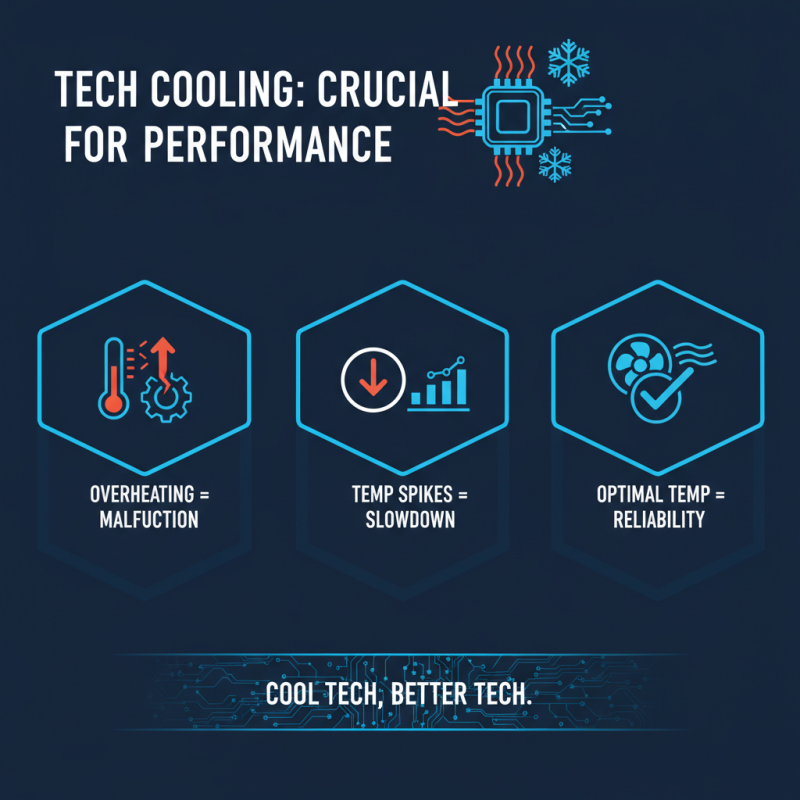
Why Are Cooling Systems Essential for Modern Technology?
Cooling Systems play a vital role in modern technology, ensuring optimal performance and longevity of electronic devices. According to a report by the International Society of Automation, over 30% of IT equipment failures are linked to inadequate cooling. This statistic emphasizes the importance of effective cooling solutions in high-density computing environments.
Dr. Emily Tran, a leading expert in thermal management, states, "Without proper cooling systems, we risk significant downtime and costly repairs." This highlights the critical need for businesses to invest in reliable cooling technologies. As devices become more advanced, their heat output increases. Cooling Systems must keep pace with these developments to avoid potential failures.
Many companies underestimate the complexity of cooling challenges. It’s not just about temperature control; airflow and humidity are crucial too. Inadequate cooling can lead to reduced efficiency and increased energy consumption. Awareness of these factors is essential. As technology evolves, so does the need for innovative cooling solutions.

The Importance of Cooling Systems in Advanced Technologies
Cooling systems play a crucial role in advanced technologies today. They ensure that devices operate efficiently and reliably. Without proper cooling, computers and servers could overheat. This leads to reduced performance and potential hardware failures. Fans and liquid cooling mechanisms are common solutions. However, they also require maintenance and careful design to function optimally.
The impact of cooling extends beyond just temperature control. It influences the lifespan of technology. Components that run too hot can degrade faster. This often results in unexpected downtime or costly repairs. Effective cooling can mitigate these risks. Yet, some systems still struggle to find the right balance. The challenge lies in maximizing cooling while minimizing energy use.
In addition, the design of cooling systems can be complex. Engineers must consider airflow and heat distribution. They also seek innovative materials and methods. There are continuous improvements in this area, but challenges remain. The need for more sustainable solutions is pressing. Ultimately, cooling systems are an integral part of technology's evolution.
Cooling Systems in Modern Technology
How Cooling Systems Function: Mechanisms and Processes
Cooling systems play a crucial role in modern technology. They prevent overheating, ensuring devices run smoothly. In many devices, heat is generated during operation. This heat can negatively impact performance if not managed properly.
These systems have various mechanisms. They often use fans, heat sinks, or liquid cooling. Fans draw air, while heat sinks dissipate heat through conduction. Liquid cooling offers efficient heat transfer. It circulates a coolant around hot components, absorbing and removing heat effectively. This process allows systems to maintain safe operating temperatures.
However, not every cooling system is perfect. Over time, components can wear down or become less efficient. Dust accumulation can hinder airflow in fans. Regular maintenance becomes crucial. In some cases, systems still fail to maintain optimal temperatures. This highlights the importance of continuous improvement in cooling technologies.
Why Are Cooling Systems Essential for Modern Technology?
| Cooling System Type |
Functionality |
Application Areas |
Temperature Range (°C) |
| Air Cooling |
Uses air as a cooling medium to dissipate heat. |
Computers, HVAC systems, industrial machines |
-5 to 50 |
| Liquid Cooling |
Employs liquids such as water or refrigerants for effective heat transfer. |
Data centers, gaming PCs, high-performance computing |
-10 to 80 |
| Refrigeration |
Removes heat from a designated area to cool it down. |
Refrigerators, air conditioners |
-20 to 10 |
| Phase Change Cooling |
Utilizes materials that absorb and release heat during phase changes. |
Advanced electronics, low-temperature applications |
-40 to 0 |
| Peltier Cooling |
Employs thermoelectric principles to create a heat flux. |
Small devices, portable coolers |
-10 to 70 |
Common Types of Cooling Systems Used in Modern Equipment
Cooling systems play a crucial role in modern technology. They prevent equipment from overheating, ensuring reliable performance. Without these systems, devices may fail or become less efficient. Here are some common types of cooling systems seen in today's technology.
Air cooling systems are widely used. They rely on fans to circulate air around components. This method is simple and cost-effective. However, it may not be enough for high-performance equipment. Liquid cooling systems offer a more efficient alternative. They use liquid to absorb heat, channeling it away from sensitive parts. This system often provides better temperature control.
Refrigeration-based cooling is also notable. These systems employ refrigerants to manage thermal energy. They are effective for various applications but come with complexities. Each system has its strengths and weaknesses, depending on the use case. It's essential to assess needs and environments when choosing a cooling solution.
Future Trends in Cooling Technologies and Their Applications
As technology advances, the need for effective cooling solutions grows. The cooling systems industry is projected to reach $30 billion by 2025. This growth stems from a surge in data centers and electronic devices. Enhanced cooling technologies can significantly improve energy efficiency and performance.
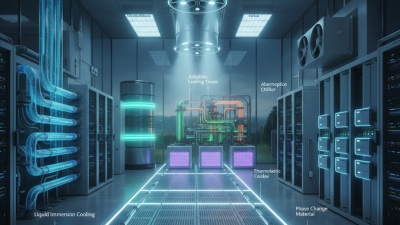
New trends are emerging in cooling technologies. Liquid cooling methods are becoming more popular, especially in high-performance computing. They are more efficient than air cooling systems and can reduce energy consumption by up to 40%. The adoption of advanced materials, like phase change materials, is also gaining traction. These materials offer better thermal management, leading to longer-lasting electronic devices.
**Tip:** Regular maintenance of cooling systems prevents efficiency drops. Keeping components clean can enhance performance.
As environmental concerns rise, eco-friendly cooling solutions are on the horizon. Innovations such as thermoelectric coolers use minimal energy. They are less harmful to the environment compared to traditional systems. Despite their potential, these technologies may face scaling challenges for broader implementations. The balance between performance, cost, and sustainability remains a critical discussion point.