Leave Your Message

Top 10 Factors Influencing Heat Exchanger Cost in 2026?

The cost of heat exchangers is critical for many industries. Understanding the factors influencing heat exchanger cost can aid in budgeting and investment decisions. According to a recent industry report by the Heat Exchanger Manufacturers Association, costs are projected to rise significantly by 2026, driven by various market dynamics.

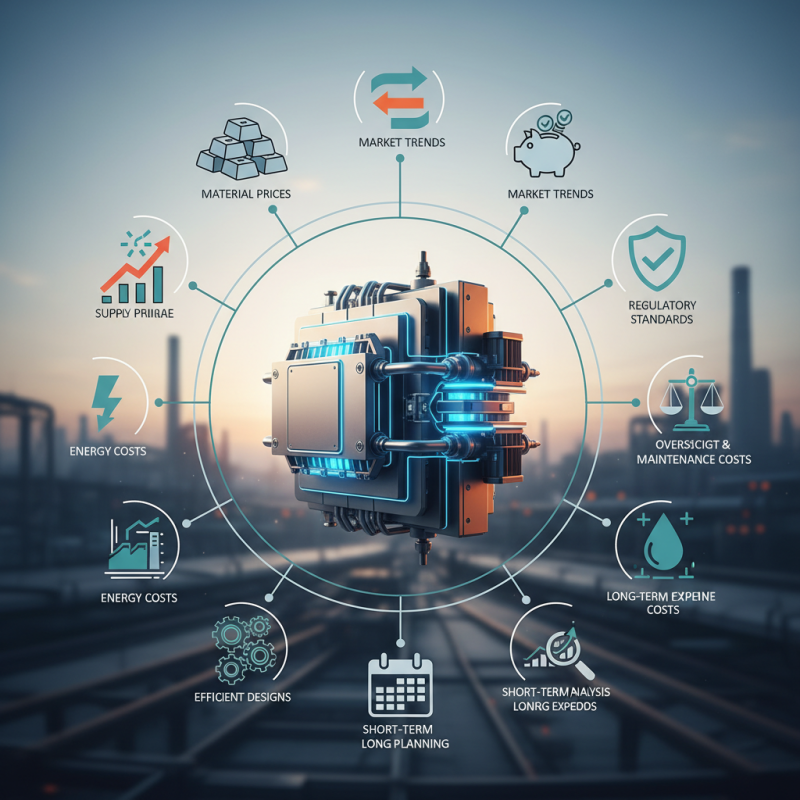
Material prices play a substantial role in total costs. For instance, stainless steel prices surged by nearly 15% last year due to increased demand and supply chain disruptions. Energy costs also contribute significantly to production expenses, impacting overall heat exchanger cost. Additionally, advancements in technology are pushing manufacturers to invest in more efficient designs, which can initially increase costs.

Market trends reveal that regulatory standards are becoming stricter. Compliance with these regulations can add to the financial burden for producers. Furthermore, oversight and maintenance costs can lead to long-term expenses, which must be considered. Reflecting on these elements indicates that both short-term analysis and long-term planning are essential. Balancing initial investments against future savings will determine the best approach for managing heat exchanger costs effectively.
Top 10 Factors Influencing Heat Exchanger Cost in 2026?

Factors Influencing Raw Material Prices for Heat Exchangers in 2026

In 2026, raw material prices for heat exchangers will be influenced by several key factors. The global demand for metals like copper and aluminum will rise. This surge is driven by electrification and renewable energy projects. These materials are essential for efficient heat transfer. However, the availability of these resources can be unpredictable. Political tensions and trade policies might create shortages.

Moreover, the push for sustainable manufacturing methods will change material sourcing. Recycled metals may become preferable due to environmental regulations. Companies might face challenges balancing cost and sustainability. This shift could impact production schedules and pricing structures. It’s important for manufacturers to stay informed about market trends.

Transportation costs will also play a role. Fuel prices can fluctuate, affecting logistics and supply chains. Export tariffs might increase as countries impose stricter regulations. These changes could lead to unexpected price hikes. Heat exchanger manufacturers must adapt their strategies. Ignoring market signals may result in financial strain. The industry must prioritize flexibility and creative solutions to remain competitive.

Top 10 Factors Influencing Heat Exchanger Cost in 2026

Factor Influence on Cost (%) Description
Raw Material Prices 30% The cost of materials such as stainless steel and copper.
Labor Costs 20% Labor costs for manufacturing and assembly processes.
Energy Prices 15% Costs associated with energy consumption in factories.
Technological Advances 10% Investments in new technologies that enhance efficiency.
Regulatory Compliance 5% Costs incurred to meet industry regulations and standards.
Shipping and Logistics 5% Transportation costs for raw materials and finished products.
Market Demand and Supply 5% Variations in supply and demand affecting pricing.
Competition 4% Number of competitors impacting pricing strategies.
Currency Fluctuations 1% Changes in currency value affecting import/export costs.

Impact of Energy Costs on Heat Exchanger Manufacturing Expenses

Top 10 Factors Influencing Heat Exchanger Cost in 2026?

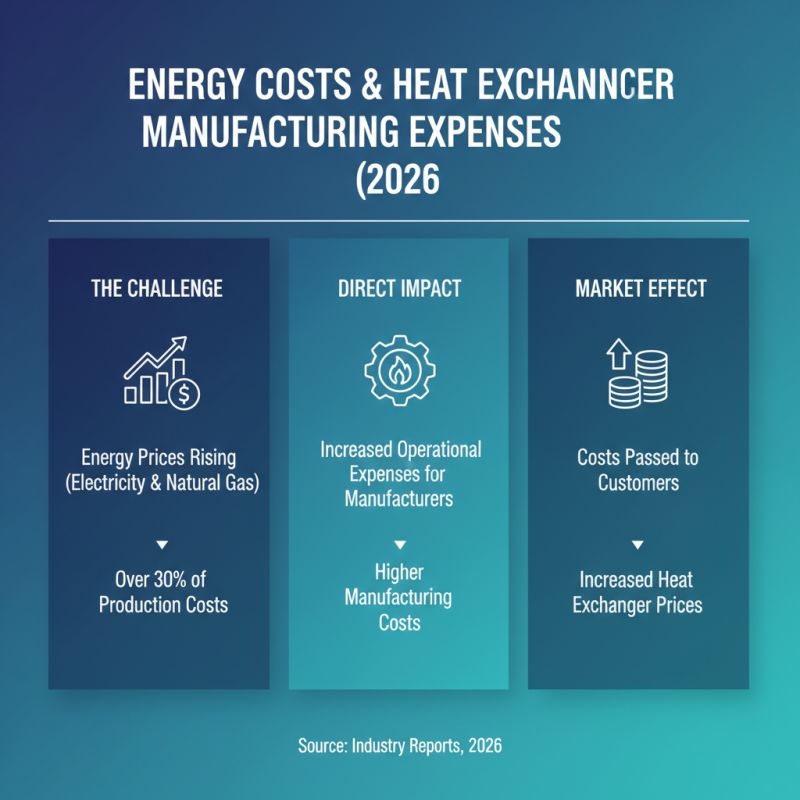
Energy costs are a significant factor impacting heat exchanger manufacturing expenses in 2026. According to recent industry reports, energy expenditures can contribute to over 30% of the total production costs. The rising prices of electricity and natural gas will directly influence operational expenses. Manufacturers may have to pass these extra costs onto customers. This could lead to increased heat exchanger prices.

The shift towards more energy-efficient technologies is another key factor. Companies are investing in upgrades to minimize energy consumption. Data suggests that these investments can reduce energy costs by up to 20%. However, initial investment remains high, and not all manufacturers may adapt quickly. This inconsistency can create disparities in market pricing.

Additionally, fluctuations in global energy markets complicate budgeting. Unforeseen geopolitical events can lead to spikes. Such fluctuations require manufacturers to revisit pricing strategies regularly. While some firms may implement short-term fixes, this could jeopardize long-term sustainability. Reflecting on these challenges is crucial for stakeholders to make informed decisions.

Technological Advancements and Their Cost Implications for Heat Exchangers

The impact of technological advancements on heat exchanger costs is profound. In 2026, innovative materials could reduce manufacturing costs. Lightweight alloys and advanced composites may replace traditional metals. This shift could enhance thermal efficiency and reduce weight, benefiting industries like oil and gas.

Automation in production processes will also play a crucial role. Using robotics and AI can minimize labor costs and improve precision. However, this transition requires significant upfront investment. Companies may face challenges integrating these technologies into existing workflows. Training workers to adapt to new systems is essential yet resource-intensive.

Moreover, environmental regulations are pushing for greener solutions. Heat exchangers designed for lower emissions may initially be costly. However, they could save money over time through energy efficiency. Companies must weigh immediate financial implications against long-term benefits. Adjustments in design philosophy and manufacturing practices are now necessary to align with these shifts.

Regulatory Compliance Costs Affecting Heat Exchanger Pricing in 2026

Top 10 Factors Influencing Heat Exchanger Cost in 2026?

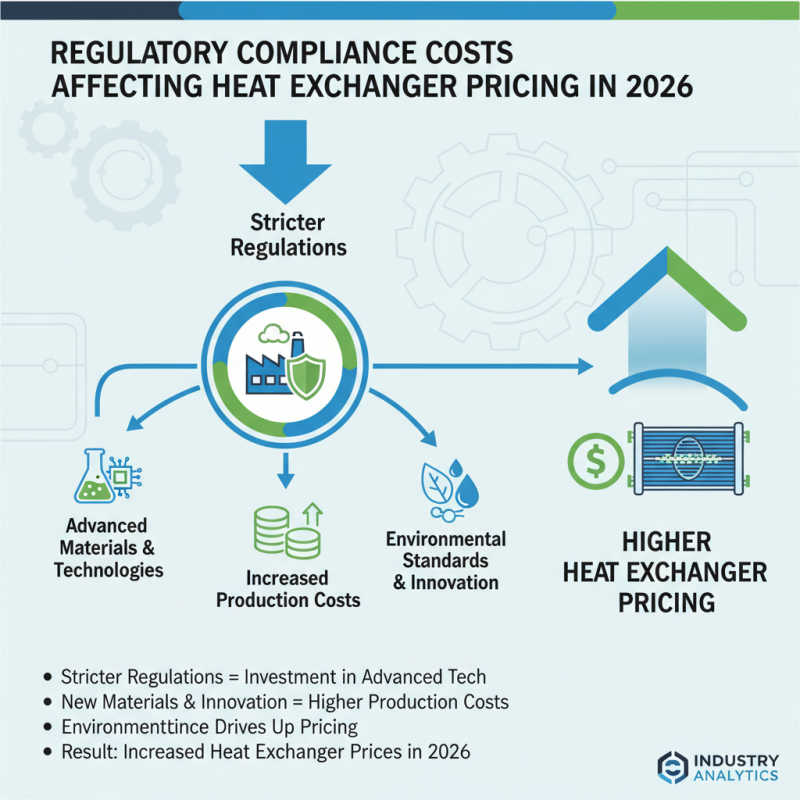
Regulatory compliance costs play a significant role in determining heat exchanger pricing in 2026. As regulations become stricter, manufacturers must invest in advanced materials and technologies. This often results in increased production costs. Compliance with environmental standards requires continuous innovation, which influences pricing strategies.

Understanding these compliance costs is crucial for industry stakeholders. Conducting regular audits can help identify areas of improvement. Staying informed about regulatory changes can mitigate unexpected expenses. Engaging with regulatory bodies may provide insights into upcoming standards.

Tips: Evaluate your current compliance processes. Implement regular training for staff. Consider utilizing software that tracks regulatory changes. This proactive approach can reduce costs and enhance efficiency. Recognizing the financial impact of compliance will help businesses make informed decisions while planning for future expenses.

Market Demand Trends and Their Influence on Heat Exchanger Costs

As the global demand for energy-efficient systems grows, heat exchangers are becoming vital in various industries. By 2026, market trends indicate an increased focus on sustainability. This shift could significantly impact heat exchanger prices. Companies are seeking innovative designs that maximize efficiency and minimize waste. They may invest more in advanced materials and technologies, affecting production costs.

Market fluctuations play a key role as well. Supply chain disruptions can lead to unexpected price increases. Also, the rising demand for eco-friendly solutions may attract new players, intensifying competition. However, not all manufacturers will adapt quickly, potentially limiting their market share. As a result, some companies might struggle with pricing, which could lead to inconsistent cost trends.

Additionally, regulatory changes are expected by 2026. These regulations aim to reduce carbon emissions and encourage sustainable practices. Compliance will require investments in R&D. While this may initially inflate costs, it could ultimately lead to better, more efficient products in the long run. Industries must remain vigilant and adaptable to navigate these evolving dynamics effectively.