Why Do You Need an Oil Cooler For Torque Converter?
In the world of automotive performance, the importance of an Oil Cooler For Torque Converter cannot be understated. High temperatures can be detrimental to the transmission, leading to reduced efficiency and potential failure. As the torque converter engages and disengages, it generates heat through friction and fluid dynamics. This heat buildup can push the system beyond its limits, causing wear and tear.
Many drivers overlook the role of an oil cooler. However, it serves as a vital component in ensuring optimal performance. By dissipating excess heat, the oil cooler maintains the ideal fluid temperature. This prevents overheating and prolongs the lifespan of the torque converter. Without it, owners may face costly repairs and decreased vehicle performance.
Recognizing the need for an Oil Cooler For Torque Converter encourages proactive maintenance. It requires a commitment to understanding your vehicle's mechanics. Some might see this as an unnecessary expense, yet it is a wise investment. Protecting your transmission and enhancing efficiency can lead to a more reliable driving experience. Ignoring this can result in frustration and regret down the line.
What is a Torque Converter and its Role in Automotive Systems?
A torque converter is a fluid coupling used in automatic transmissions. It connects the engine to the transmission. This component allows for smooth acceleration and deceleration. When the vehicle is stationary, the engine can run without stalling. This is crucial for driving comfort and efficiency.
The torque converter has several functions. It multiplies engine torque during acceleration. Additionally, it absorbs shock when shifting gears. This helps in maintaining stability while driving. Without a proper working torque converter, a vehicle can exhibit sluggish performance and poor fuel efficiency. It's essential to monitor its condition regularly.
**Tip:** Regular maintenance can avoid issues with a torque converter. Check fluid levels often. Low fluid can lead to overheating.
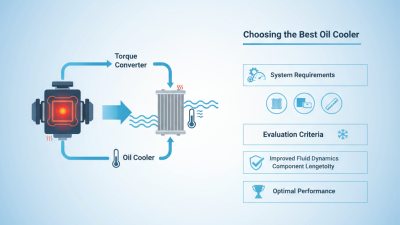
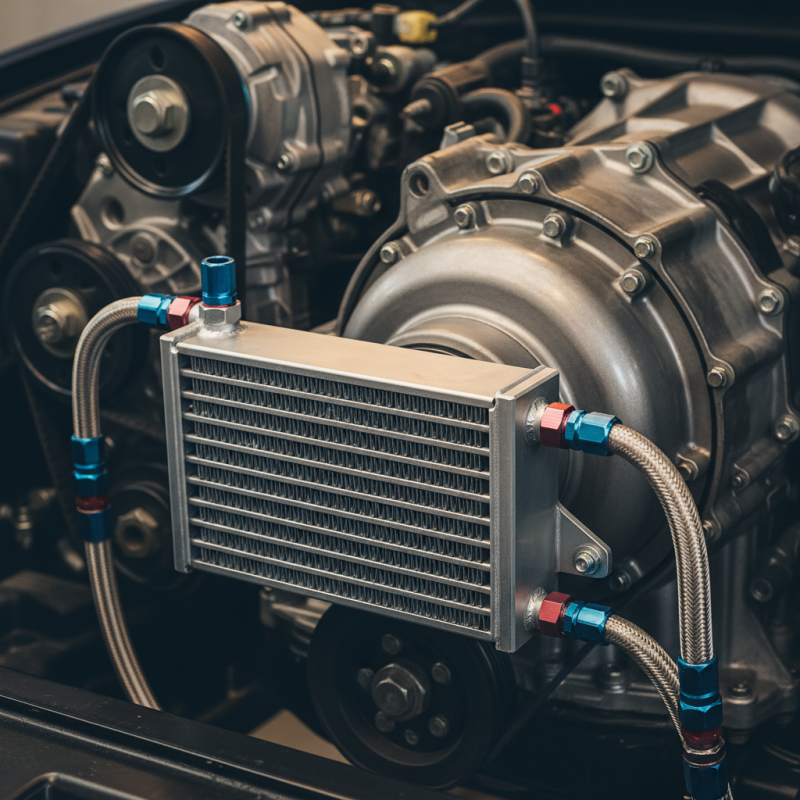
Consider the temperature of the fluid in the torque converter. Excess heat damages components and can cause failures. An oil cooler helps maintain optimal temperatures. This is especially important for heavy-duty applications.
**Tip:** If you're towing or carrying heavy loads, be extra cautious. An oil cooler can safeguard against overheating. This simple addition can enhance the lifespan of your torque converter and improve overall performance.
Understanding the Importance of Oil in Torque Converter Performance
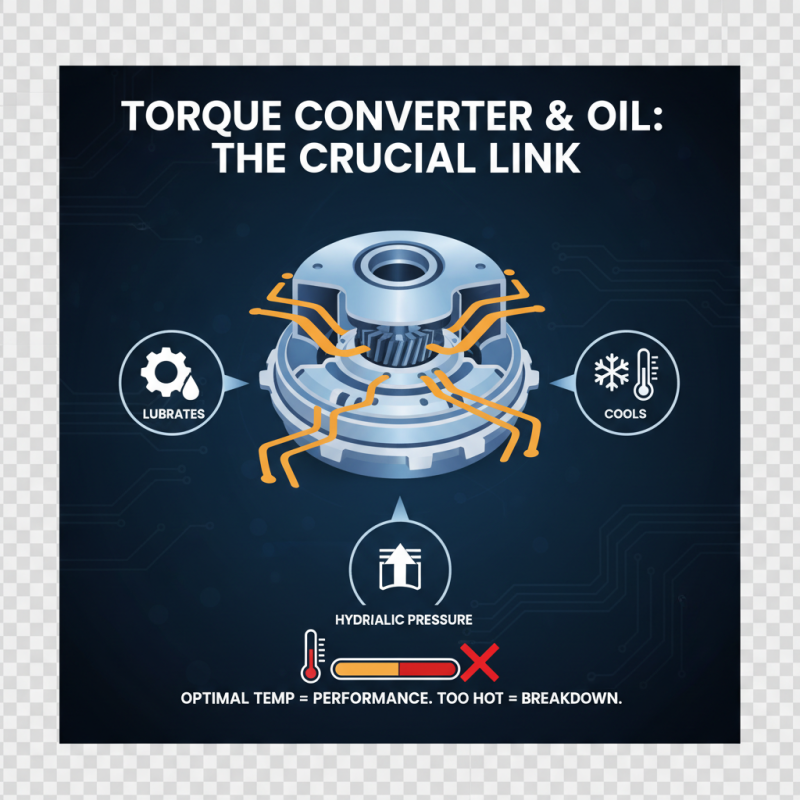
The torque converter is a vital component in automatic transmissions. It relies heavily on oil for its effective operation. The oil plays several roles: it provides lubrication, aids in cooling, and helps with hydraulic pressure. Maintaining optimal oil temperatures is crucial for performance. If the oil gets too hot, it can break down and lose effectiveness.
An oil cooler helps mitigate this risk. By reducing the oil temperature, it preserves the oil's properties. Cooler oil ensures better lubrication and prolongs the life of the torque converter. Without proper cooling, the system may face wear and tear sooner than expected.
Moreover, the importance of clean oil cannot be overstated. Contaminated oil can hinder performance and efficiency. It’s essential to monitor oil condition regularly. Some might overlook this aspect of maintenance, leading to costly repairs later on. Regular checks and balance can enhance overall performance.
The Functionality of an Oil Cooler in Maintaining Temperature Levels
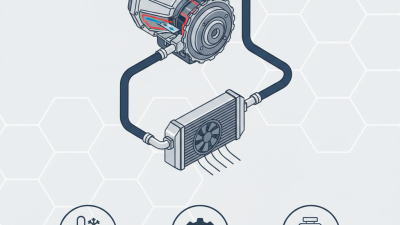
An oil cooler plays a crucial role in maintaining optimal temperature levels within a torque converter. As the torque converter operates, it generates heat due to the friction of moving parts. Excessive heat can lead to decreased efficiency and potential damage. An oil cooler helps manage this by dissipating heat from the transmission fluid.
When fluid temperatures rise, the oil cooler circulates cooler fluid. This process ensures that the oil maintains a consistent temperature, enhancing performance. A well-functioning oil cooler can sometimes be overlooked. However, its importance cannot be understated. A lack of proper temperature control may lead to issues over time.
The design of the oil cooler matters too. It needs to be positioned effectively to allow for maximum airflow. In some cases, an oil cooler can become clogged or damaged. Regular maintenance checks are essential to prevent these issues. Failing to monitor the cooler's condition could result in significant torque converter problems.
Why Do You Need an Oil Cooler For Torque Converter?
| Dimension |
Description |
Impact |
Optimal Range |
| Oil Temperature |
Temperature of oil circulating through the torque converter |
Excess heat can cause lubricant breakdown |
180°F - 220°F |
| Cooling Efficiency |
Effectiveness of the cooler in dissipating heat |
Directly influences torque converter performance and lifespan |
70% - 90% |
| Fluid Flow Rate |
Rate at which transmission fluid moves through the cooler |
Affects how quickly heat is removed from the fluid |
1 - 2 GPM |
| Pressure Drop |
Difference in fluid pressure before and after the cooler |
If too high, can indicate blockages or inefficiencies |
Less than 10 psi |
| Installation Location |
Where the cooler is placed in the system |
Affects airflow and cooling effectiveness |
In front of the radiator or near the engine bay |
Signs That Indicate the Need for an Oil Cooler in Your Torque Converter
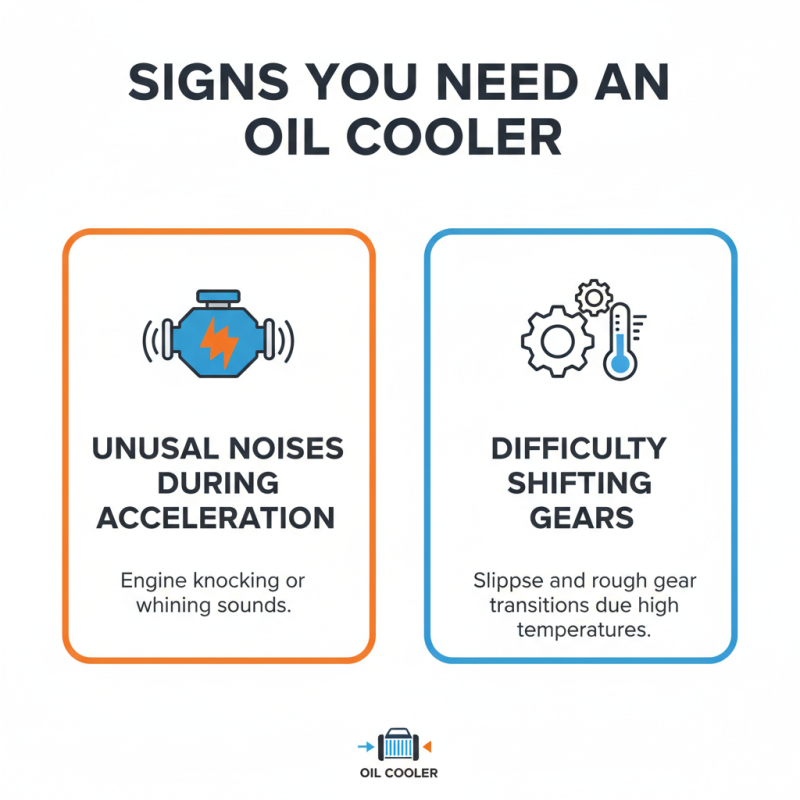
When a torque converter operates, it generates heat. This heat can increase fluid temperatures, causing potential damage. Signs you need an oil cooler include unusual noises during acceleration. High temperatures can lead to slippage. Your vehicle may struggle to shift gears smoothly.
Another sign is a burning smell, often indicating overheating fluid. Reports indicate that operating temperatures above 200°F can degrade the fluid rapidly. This degradation can negatively impact performance. An oil cooler helps regulate these temperatures, prolonging fluid life. It boosts overall efficiency in the powertrain.
If you're towing heavy loads or driving in stop-and-go traffic, monitor your converter closely. Increased strain raises the risk of overheating. Ignoring these signs may result in costly repairs. Awareness is crucial. Keeping an eye on fluid temperatures can save time and money in the long run. Regular checks can prevent issues before they escalate.
Benefits of Installing an Oil Cooler for Enhanced Torque Converter Reliability
Installing an oil cooler for your torque converter offers significant benefits. One major advantage is temperature control. High temperatures can cause fluids to break down. This breakdown can lead to reduced performance and possible failures. An oil cooler helps maintain optimal temperatures, enhancing the torque converter's reliability.
Another benefit is the extension of the torque converter’s lifespan. Cooler fluids can help prevent wear and tear on internal components. This means fewer repairs or replacements over time. An oil cooler can improve overall vehicle efficiency, making it a worthwhile investment.
**Tip:** Regularly check your oil cooler for leaks. A small leak can lead to major issues down the line.
**Tip:** Monitor the operating temperature of your torque converter. Consistently high temperatures might indicate that your cooler isn’t functioning properly.
Incorporating an oil cooler protects your components and enhances performance. Despite the initial costs, the long-term savings can be substantial. Remember to consider maintenance needs to ensure everything runs smoothly.
Benefits of Installing an Oil Cooler for Enhanced Torque Converter Reliability