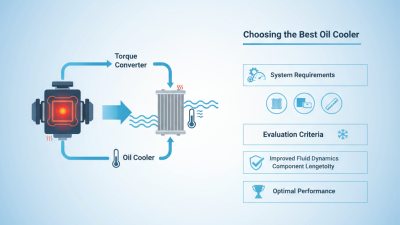
The "Oil Cooler For Torque Converter" is a crucial component in modern vehicles. It plays a significant role in maintaining optimal operating temperatures for the torque converter. This is essential for enhancing performance and longevity.
When the torque converter operates, it generates heat. An efficient oil cooler helps dissipate this excess heat, thus improving efficiency. Without proper cooling, the transmission fluid can overheat. This can lead to accelerated wear and potential failure of the torque converter.
Understanding the functionality of an oil cooler can protect your vehicle. It ensures that the transmission operates within safe temperature limits. However, many drivers overlook its importance and the need for regular maintenance. Ignoring this component can result in costly repairs down the line. A well-functioning oil cooler is not just an accessory; it's a necessity for reliability on the road.
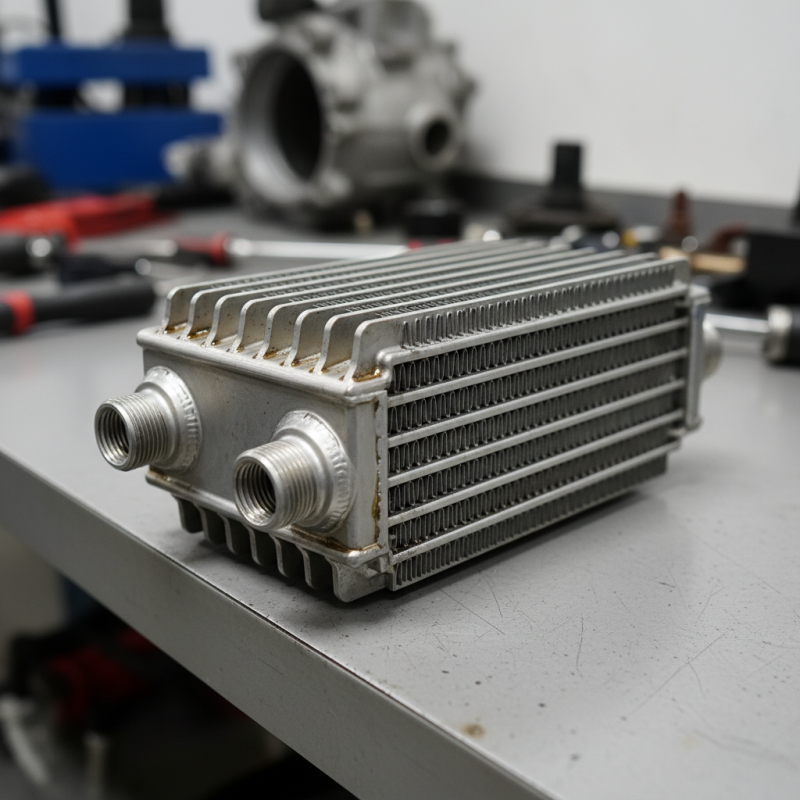
An oil cooler for a torque converter plays a crucial role in maintaining optimal operating temperatures. This component helps to regulate the temperature of the transmission fluid that circulates within the torque converter. By keeping the fluid at a consistent temperature, the oil cooler prevents overheating, which can occur during heavy use or extreme driving conditions.
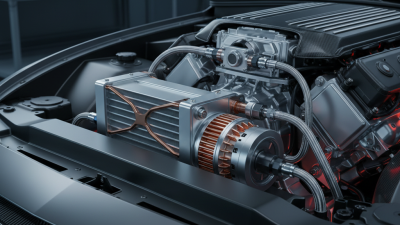
The design of an oil cooler typically involves a series of tubes or fins that allow coolant to flow through. As the warmer transmission fluid passes through the cooler, heat dissipates into the surrounding coolant. This process is essential for ensuring the longevity and efficiency of the torque converter. The cooler's performance can be impacted by various factors, such as blockages or leaks. These issues are not always easy to detect.
Many vehicle owners may overlook the importance of the oil cooler. It's a vital component that can affect overall vehicle performance. Inconsistent fluid temperatures can lead to sluggish gear changes and decreased fuel efficiency. Regular maintenance checks can help identify problems early. It's important to acknowledge potential weaknesses in any system. Understanding how an oil cooler works can help drivers appreciate its significance in their vehicle’s performance.
| Feature | Description |
|---|---|
| Purpose | To regulate the temperature of the transmission fluid in a torque converter. |
| Function | Transfers heat from the transmission fluid to a cooler, ensuring optimal operating temperature. |
| Benefits | Improves performance, extends the life of the transmission, and prevents overheating. |
| Common Types | Air-cooled, Liquid-cooled. |
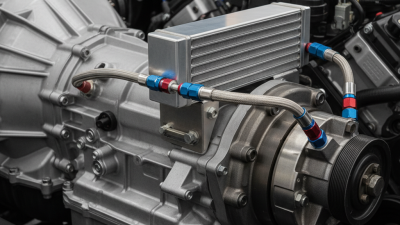
| Typical Locations | In front of the radiator or integrated within the transmission. |
| Maintenance | Regular inspection for leaks, ensuring proper fluid levels and condition. |
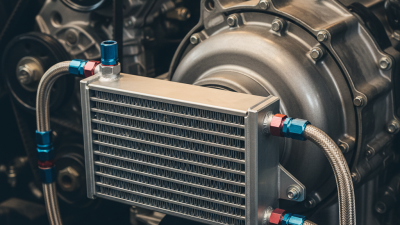
The oil cooler plays a crucial role in the functionality of a torque converter. It regulates the temperature of the transmission fluid. When the fluid overheats, it can harm the internal components of the torque converter. An oil cooler ensures that the fluid remains at optimal temperatures, which enhances performance and longevity.
Oil coolers utilize various methods to dissipate heat. They often use air or coolant to transfer excess heat from the transmission fluid. This helps maintain the viscosity of the fluid, allowing smooth operation of the torque converter. Effective cooling is essential for preventing slipping or engagement issues. Thus, a well-functioning oil cooler contributes significantly to the overall efficiency of the torque converter.
Tips: Regularly check the oil cooler for leaks or blockages. Ensure that the fluid levels are adequate. A dirty oil cooler can lead to overheating. Also, consider using high-quality transmission fluid. This can enhance the cooling process. Keep in mind that neglect can lead to severe transmission problems over time. Always consult a professional if unsure about maintenance tasks.
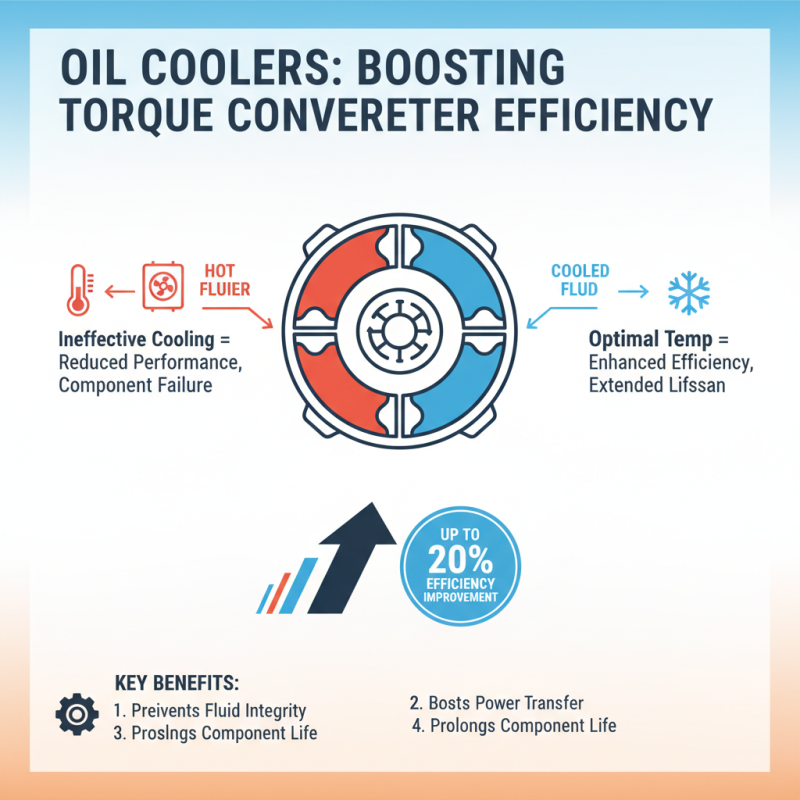
An oil cooler plays a crucial role in enhancing the efficiency of a torque converter. By maintaining optimal fluid temperature, it ensures that hydraulic fluid operates within the recommended temperature range. According to industry data, a well-functioning oil cooler can improve torque converter efficiency by as much as 20%. This efficiency boost is significant, especially considering that ineffective cooling can lead to overheating, diminishing performance, and ultimately, premature component failure.
The operation of an oil cooler is straightforward. It circulates oil through a heat exchange system that dissipates excess heat. This process not only prolongs the lifespan of hydraulic fluid but also stabilizes its viscosity. Studies indicate that maintaining proper oil viscosity contributes to smoother gear transitions and reduced slip, enhancing overall vehicle performance. However, not all oil coolers are designed the same way; some may not efficiently handle the thermal load. This inconsistency can lead to suboptimal cooling, requiring vehicle owners to regularly inspect and maintain their oil cooling systems.
Another facet to consider is the impact of environmental conditions. High ambient temperatures can strain the oil cooler's performance. A frequently overlooked aspect is how debris and contaminants can impair heat exchange efficiency over time. Regular maintenance and checks are vital in combating these challenges. It's crucial to recognize that while oil coolers significantly benefit torque converters, their effectiveness largely depends on proper installation and maintenance practices.
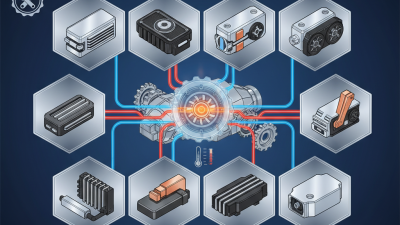
Oil coolers play a crucial role in the performance of torque converters. They help maintain optimal fluid temperatures, ensuring smooth operation. Various types of oil coolers are used in torque converters, each with unique features and benefits.
The most common type is the air-cooled oil cooler. This design uses ambient air to dissipate heat from the oil. It consists of a series of tubes or fins where oil flows. As air moves over these surfaces, heat is transferred away. Another popular type is the water-cooled oil cooler. This version uses engine coolant to regulate oil temperatures. It's often more efficient but can be complex to install.
Some systems use a hybrid approach, where both air and water cooling mechanisms are combined. These systems can adapt to different driving conditions, improving performance. However, the installation process can be challenging. Overall, each type has its advantages and drawbacks. It's essential to choose the right one based on specific vehicle needs and conditions.
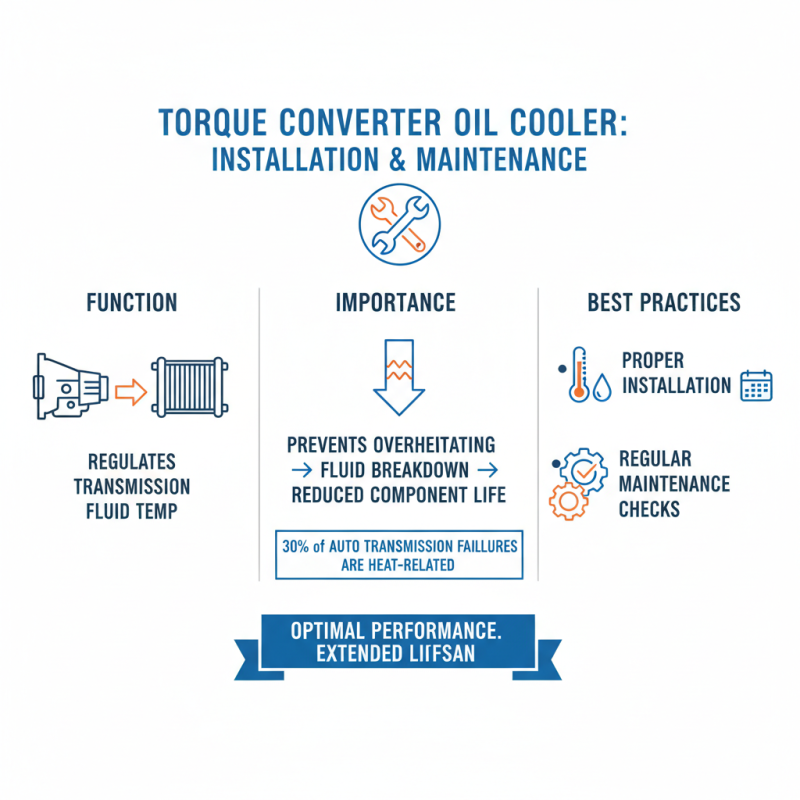
Proper installation and maintenance of oil coolers for torque converters are essential for optimal performance. An oil cooler helps regulate the temperature of the transmission fluid, ensuring it remains within an efficient range. Overheating can lead to fluid breakdown, reducing the lifespan of the torque converter and other components. According to studies, about 30% of automatic transmission failures are heat-related.
Regular maintenance is crucial. Inspect the cooler for leaks or blockages. Replace the transmission fluid every 30,000 to 60,000 miles to maintain fluid quality. Clean the cooler’s fins to ensure adequate airflow, especially in high-performance applications.
Tips: Always check the mounting brackets and hoses for wear. These parts are often overlooked but can lead to significant issues. Use a quality replacement fluid to ensure compatibility with your system. Investing in preventative maintenance can help avert costly repairs down the road. Remember, neglecting these factors can result in costly downtime or even complete transmission failure.