What are the Top Functions of a Heat Exchanger?
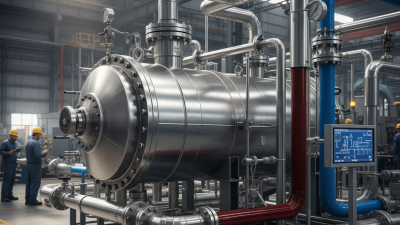
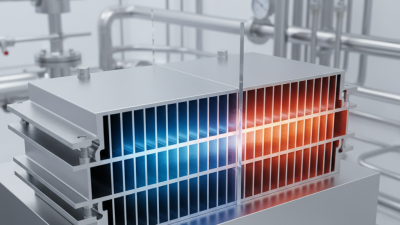
Heat exchangers play a crucial role in various industrial applications. Understanding the heat exchanger function is essential for optimizing performance and efficiency. These devices transfer heat between two or more fluids, preventing the mixing of the fluids. Their design allows them to efficiently manage temperature and energy, making them critical in many systems.
In industries like HVAC, oil and gas, and chemical processing, the heat exchanger function is vital. It ensures processes run smoothly while reducing energy costs. However, not all heat exchangers are created equal. Selecting the right type depends on specific needs and operational conditions. This complexity introduces challenges, urging professionals to consider material selection, design, and maintenance processes.
Despite their importance, some may overlook the intricacies involved in heat exchanger design. Often, people assume that all heat exchangers serve the same purpose. This misconception can lead to inefficiencies and increased operational costs. A deeper understanding can significantly improve outcomes in projects that rely on heat exchange processes. Thus, exploring the top functions of heat exchangers becomes imperative for engineers and decision-makers alike.
Key Principles of Heat Exchange Mechanism
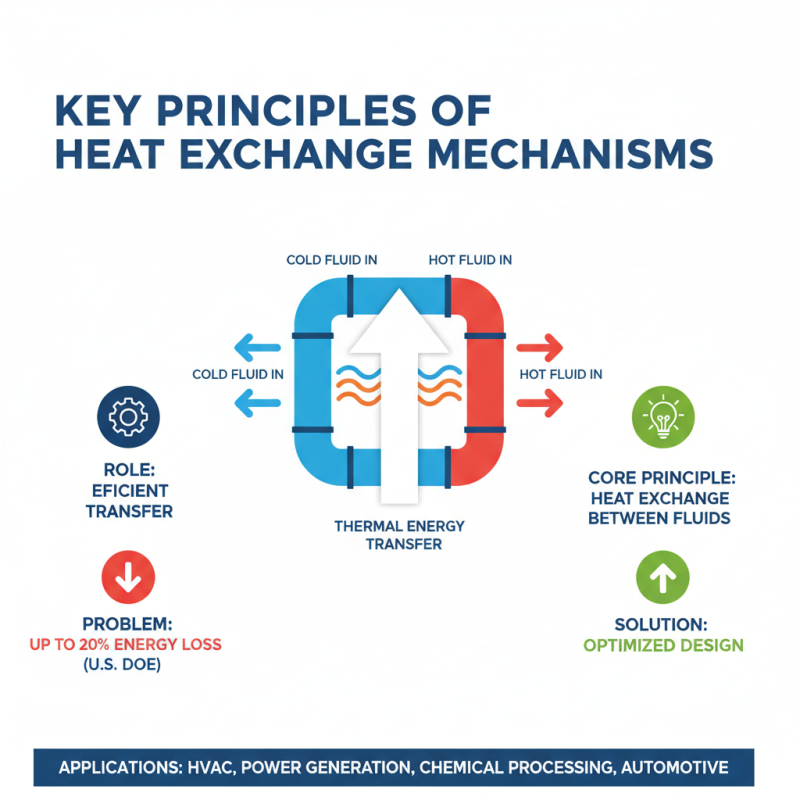
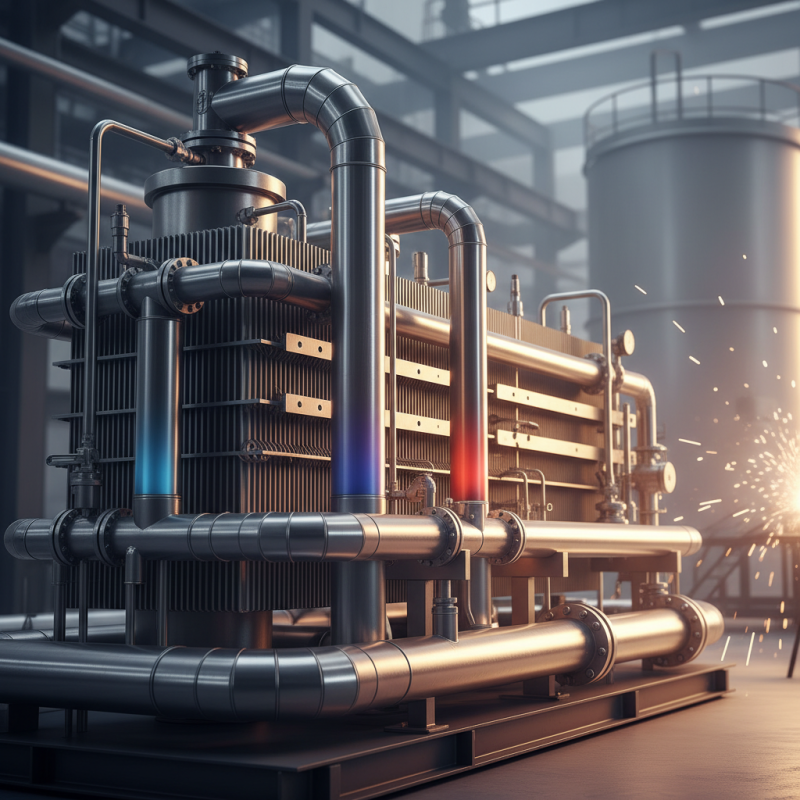
Heat exchangers play a crucial role in various industries, facilitating efficient thermal energy transfer. The core principle behind their operation is the transfer of heat between two or more fluids. According to a report by the U.S. Department of Energy, improper heat exchanger design can lead to significant energy losses, sometimes as high as 20%. This highlights the importance of optimizing the heat exchange mechanism.
The heat exchange process generally involves conduction and convection principles. Fluids, usually at different temperatures, flow in proximity, allowing thermal energy to dissipate from the hot to the cold fluid. In many cases, the efficiency of this thermal transfer significantly impacts overall system performance. For instance, a study by the International Energy Agency emphasizes that enhancing the heat transfer area can improve the efficiency of heat exchangers by up to 30%.
However, even with advancements, challenges remain. Fouling is a common issue that reduces efficiency over time. Regular maintenance is necessary to mitigate these effects. Industry reports suggest that neglecting maintenance can increase energy consumption by 10%-15%. This underscores the need for effective monitoring and timely interventions to ensure optimal operation.
Types of Heat Exchangers and Their Applications
Heat exchangers are vital in many industries, providing efficient thermal energy transfer. The most common types include shell-and-tube, plate, and air-cooled heat exchangers. Each type has unique applications suited to different operational requirements. For instance, shell-and-tube heat exchangers are prevalent in oil refineries, while plate heat exchangers excel in food processing due to their compact design.
In chemical processing, heat exchangers significantly enhance energy efficiency. According to industry reports, these systems can achieve efficiencies exceeding 90%. This highlights their role in minimizing energy consumption and costs. Air-cooled heat exchangers are gaining traction in power generation, particularly in water-scarce regions.
Tip: Regular maintenance is crucial for optimal performance. Neglecting to clean heat exchangers can lead to fouling, reducing efficiency. Simple inspections can prevent costly downtime.
Furthermore, adapting heat exchangers for specific conditions often brings challenges. Understanding fluid properties and flow dynamics is essential. Designing for extreme temperatures requires precise calculations, which can lead to errors if overlooked. Emphasizing reliable design while integrating new technologies remains a challenge for engineers.
Tip: Invest in training for your team. Well-informed staff can spot potential issues before they escalate.
What are the Top Functions of a Heat Exchanger? - Types of Heat Exchangers and Their Applications
| Type of Heat Exchanger |
Function |
Common Applications |
| Shell and Tube |
Transfers heat between two fluids |
Power plants, chemical processing |
| Air Cooled |
Uses air to absorb heat |
Industrial facilities, HVAC systems |
| Plate |
Efficient surface area for heat transfer |
Food processing, pharmaceuticals |
| Double Pipe |
Simple heat exchange between two fluids |
Heating and cooling applications in laboratories |
| Spiral |
Compact design for viscous fluids |
Chemical processing, waste treatment |
Efficiency Factors Influencing Heat Exchanger Performance
Heat exchangers play a crucial role in various industries, transferring heat efficiently. Their performance hinges on multiple efficiency factors. One critical aspect is the design type. For instance, counterflow and crossflow designs can significantly impact heat transfer rates.
According to the International Energy Agency, improving heat exchanger efficiency by even 5% can lead to substantial energy savings, potentially lowering operational costs by up to 15%.
Another influencing factor is the flow arrangement. Laminar flow can reduce efficiency compared to turbulent flow. A study from the American Society of Heating, Refrigerating and Air-Conditioning Engineers indicates that optimizing flow patterns can enhance heat transfer by as much as 30%. Moreover, fouling can severely diminish performance. Regular maintenance and cleaning are essential to prevent buildup that can reduce heat exchanger efficiency over time.
Overall, understanding these factors is essential. Small adjustments in design, flow, and maintenance can lead to substantial improvements. The relationship between these elements and performance is intricate, requiring continuous evaluation.
Maintenance and Troubleshooting of Heat Exchangers
Heat exchangers are critical in many industries. Regular maintenance is vital for their efficiency. Start with visual inspections. Look for signs of corrosion or leaks. These issues can lead to serious operational failures. Cleaning is another essential task. Accumulation of dirt or deposits affects heat transfer. Use appropriate cleaning agents or methods for removal.
Troubleshooting heat exchangers requires a systematic approach. Monitor temperature and pressure levels continuously. Any sudden changes can indicate underlying problems. Perform regular tests to ensure performance. If inefficiency is noted, check for blockages in the flow paths. Sometimes, a simple adjustment can rectify the situation.
In more complex cases, you may need to analyze system data. Often, the root cause is not immediately apparent. This requires patience and keen observation. Engaging with experts or consulting technical resources can also help. Documenting troubleshooting steps is essential for future reference. Each incident provides lessons that can enhance maintenance protocols.
Emerging Technologies in Heat Exchanger Design
Emerging technologies in heat exchanger design are transforming industrial applications. New advancements focus on improving efficiency and reducing energy consumption. For instance, a report from the International Energy Agency highlights that optimizing heat exchangers could reduce energy use in industrial processes by up to 20%. This statistic underscores the critical role of innovative designs in achieving energy efficiency.
One notable development is the integration of 3D printing in heat exchanger fabrication. This technology allows for complex geometries that traditional manufacturing methods cannot achieve. Enhanced surface areas lead to better heat transfer capabilities. Studies show that 3D-printed heat exchangers can increase thermal performance by up to 30%. However, these innovations come with challenges. Scaling up production while maintaining quality remains a hurdle.
Additionally, researchers are exploring nanofluids that increase heat transfer rates. These fluids contain nanoparticles that improve thermal conductivity. The potential for improving performance is significant, but further research is needed on the long-term stability of these fluids. Exploring new materials also poses risks, including durability under high temperatures. The path to enhanced heat exchange technology requires more evaluation and refinement.