Top 10 Heat Exchanger Functions You Need to Know?
Understanding the functions of heat exchangers is crucial in various industries. According to the Global Heat Exchanger Market Report 2023, the industry is projected to reach $20 billion by 2025. Such growth highlights the importance of heat exchanger functions in improving system efficiency and energy use. Industry expert Dr. James H. Lee stated, "Heat exchanger function optimization can significantly reduce operational costs and increase system lifespan."
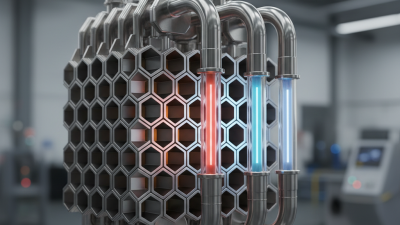
In essence, heat exchangers transfer heat between two or more fluids, ensuring effective energy management. Different designs, such as shell-and-tube or plate configurations, serve diverse applications. Each design has unique advantages, tailored to specific operational needs. The ever-evolving technology within this sector raises questions. Are we fully utilizing the potential of heat exchanger functions in our processes?
Moreover, as we strive for sustainability, understanding these functions becomes even more vital. Manufacturing, HVAC systems, and power plants increasingly depend on optimized heat exchange. The challenge lies in adapting to technological advancements while maintaining reliability. Industry analysts stress the importance of continual learning in leveraging heat exchanger functions effectively.
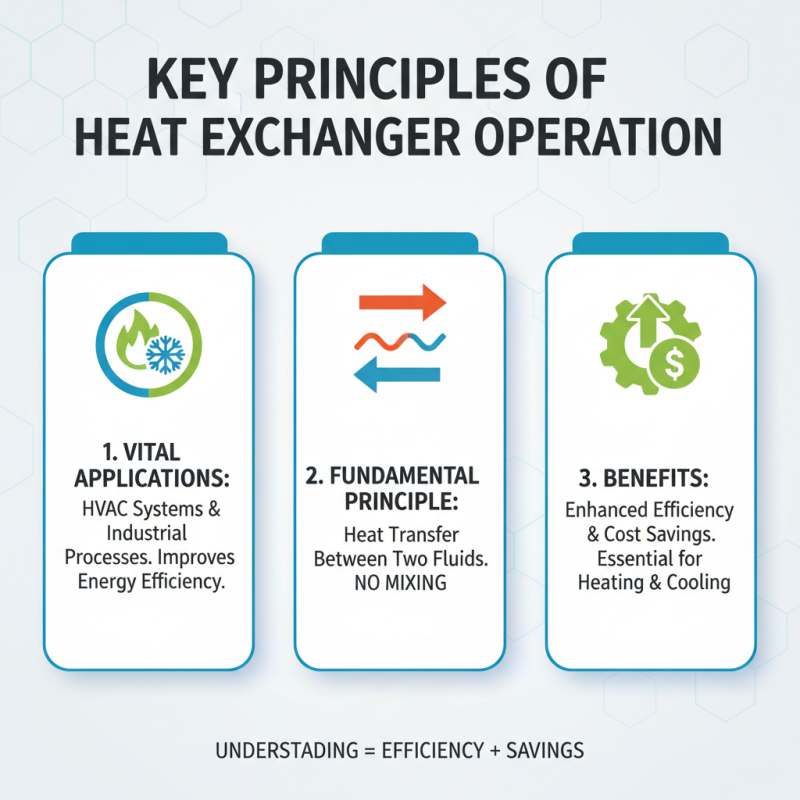
Key Principles of Heat Exchanger Operation
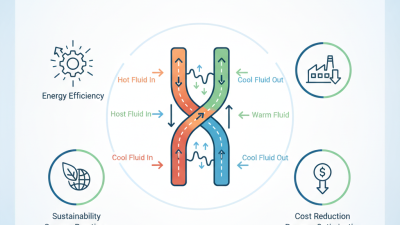
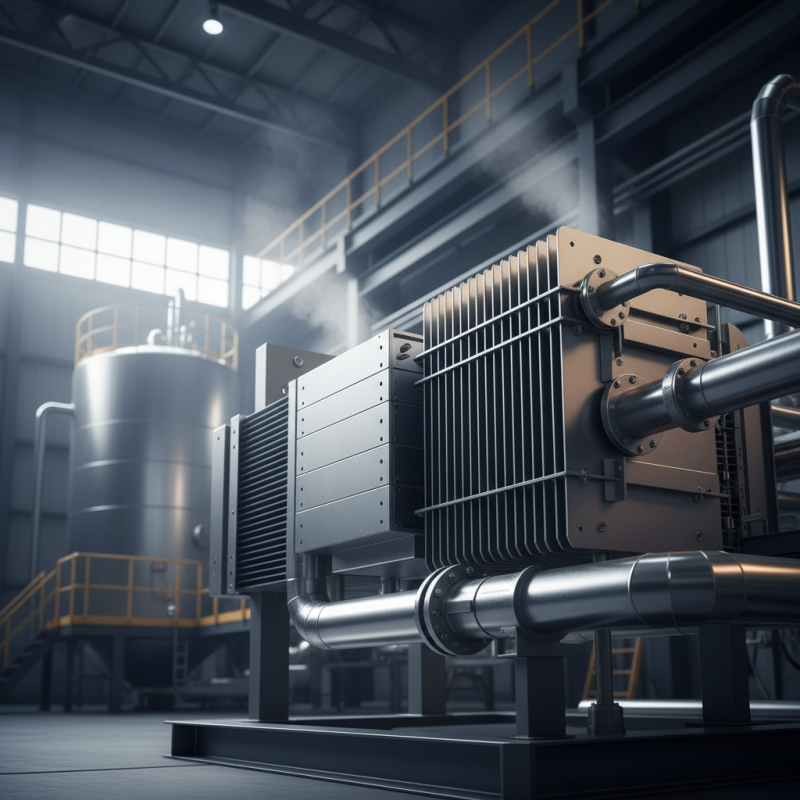
Heat exchangers are vital in various applications, from HVAC systems to industrial processes. Understanding their operation principles can enhance efficiency and save costs. The fundamental principle involves transferring heat from one fluid to another without mixing them. This process improves energy efficiency in heating and cooling systems.
The design of heat exchangers often employs counterflow or parallel flow arrangements. In counterflow, two fluids move in opposite directions, maximizing temperature difference, thus enhancing heat transfer. The American Society of Heating, Refrigerating and Air-Conditioning Engineers (ASHRAE) reports that counterflow designs can be up to 30% more efficient than parallel flow designs.
**Tips:** Regular maintenance can prevent fouling and optimize performance. Clean heat exchangers regularly to maintain effective heat transfer. Also, consider the material used. Choosing the right alloy can decrease corrosion, extending lifespan. Despite these known benefits, some operators neglect routine checks. Reflect on the potential losses from overlooked maintenance.
Types of Heat Exchangers and Their Functions
Heat exchangers are vital in various industries. They transfer heat between fluids without mixing them. Understanding the different types is essential for efficiency and safety.
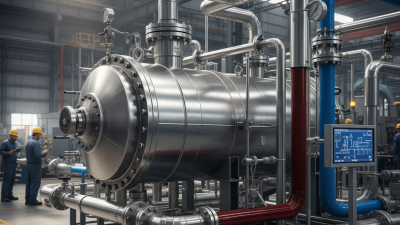
Shell-and-tube heat exchangers are common in power plants. They consist of numerous tubes, allowing efficient heat transfer. They occupy more space but are effective for large-scale operations. Plate heat exchangers are compact and efficient. These devices use metal plates to exchange heat, suitable for food processing and HVAC systems.
Air-cooled heat exchangers rely on ambient air to dissipate heat. They are less efficient in humid conditions. Each type has advantages and limitations. Selecting the right heat exchanger requires careful consideration of the application. Balancing efficiency, size, and cost is a challenge many engineers face. Understanding these nuances improves system performance and reliability.
Top 10 Heat Exchanger Functions You Need to Know
This chart represents the various functions of heat exchangers and their relative importance across different applications.
Applications of Heat Exchangers in Various Industries
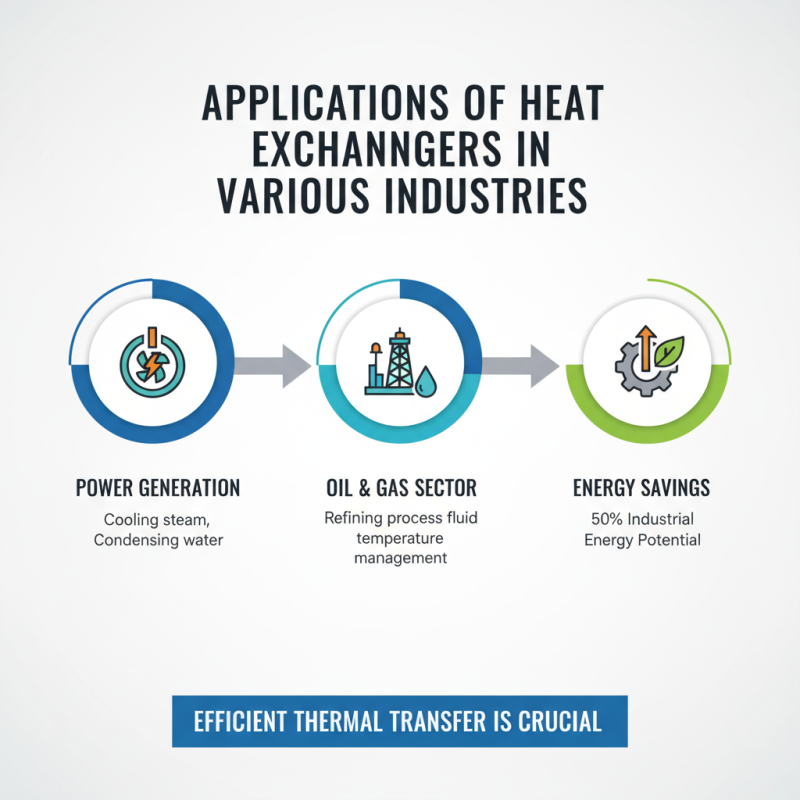
Heat exchangers play a crucial role in various industries, facilitating efficient thermal transfer. They are essential in power generation, where they help in cooling steam and condensing it back into water. In the oil and gas sector, heat exchangers manage the temperature of fluids in refining processes. Reports indicate that about 50% of energy used in industrial processes could be saved through improved heat exchanger efficiency.
The food and beverage industry also relies heavily on heat exchangers. They are used for pasteurization, ensuring safety while preserving quality. Recent studies highlight that around 80% of food processing plants utilize these systems. However, challenges remain. Inefficiencies can arise due to fouling, which reduces performance. Regular maintenance is essential to address these issues and avoid costly downtime.
Moreover, the HVAC industry employs heat exchangers for both heating and cooling. Energy-efficient systems have become a focus, with the aim of reducing environmental impact. A report from the International Energy Agency (IEA) notes that improved heat exchange technology could lower energy consumption in buildings by up to 30%. This is a significant consideration as urbanization increases energy demand worldwide.
Efficiency Factors Affecting Heat Exchanger Performance
Heat exchangers are vital in various industries, influencing energy efficiency and overall system performance. Understanding the factors affecting their efficiency can lead to significant energy savings. According to a report by the U.S. Department of Energy, improving heat exchanger efficiency by just 10% can reduce energy consumption dramatically.
The design of a heat exchanger plays a crucial role. Surface area, fluid flow arrangement, and material selection directly impact performance. For example, a larger surface area enhances heat transfer but may increase costs. Balancing these aspects is key for optimal functionality. Also, factors like fouling and scaling can impede efficiency, leading to increased operational costs.
Tip: Regular maintenance is essential. Schedule routine inspections to prevent fouling, which can decrease heat transfer by up to 30%. Focus on cleaning techniques that preserve the integrity of the heat exchanger.
Another critical factor is the temperature difference between the two fluids. A slight increase can significantly boost efficiency. However, excessive differences may lead to thermal stress and damage. Monitoring fluid temperatures helps maintain a safe balance while maximizing performance.
Tip: Use real-time monitoring systems. They can provide data on temperature variations and fluid velocities. Implementing these systems enhances decision-making and improves operational efficiency.
Maintenance and Troubleshooting Tips for Heat Exchangers
Heat exchangers are vital in various industries, ensuring efficient energy transfer. However, they require regular maintenance and troubleshooting to function optimally. According to a report by the U.S. Department of Energy, improper maintenance can increase energy costs by over 30%.
Regular inspections are essential. Look for signs of corrosion, leaks, or blockages. Noticing these issues early can prevent costly repairs. Experts recommend conducting a routine cleaning every 6 to 12 months. This can significantly enhance overall heat transfer efficiency.
Tip: Use pressure testing to identify leaks in systems.
Another critical aspect is monitoring operating conditions. Variations in temperature and pressure may indicate underlying problems. Data shows that 70% of heat exchanger failures are due to thermal and mechanical stresses. Regularly calibrate sensors to ensure accurate readings.
Tip: Maintain a log of all inspections and repairs.
Addressing these factors can extend the life of heat exchangers. Ignoring small issues often leads to bigger problems. Adopting a proactive approach is key to ensuring reliability and efficiency in operations.