Top 10 Heat Exchangers in China for Global Buyers?
In the dynamic world of industrial applications, the importance of heat exchangers cannot be overstated. These devices play a critical role in transferring heat between fluids, supporting energy efficiency and process optimization. China stands out as a prominent player in the global heat exchanger market, offering various innovative solutions. The country's manufacturing prowess ensures that buyers find an array of options tailored to specific needs.
However, identifying the top heat exchangers can be challenging. Quality, reliability, and technological advancement are vital factors to consider. Each product must meet international standards. Buyers should be cautious, as not all manufacturers guarantee excellence. Unfortunately, some may overlook the significance of thorough research.
This overview highlights the ten heat exchangers that have gained recognition in China. These selections are based on performance, efficiency, and user feedback. A thoughtful approach can lead to valuable investments in heat exchangers, benefiting businesses in the long run.

Overview of Heat Exchangers and Their Importance in Industry
Heat exchangers play a vital role in various industries, including power generation, HVAC, and chemical processing. They facilitate efficient thermal energy transfer between two or more fluids. According to recent data, the heat exchanger market is projected to reach over $20 billion by 2027, growing at a CAGR of about 6% from 2023. This growth highlights their importance in optimizing energy consumption and reducing operational costs.
In industries, improper heat exchange can lead to inefficiencies. For instance, a poorly designed heat exchanger may cause energy losses of up to 30%, significantly impacting productivity. The need for reliable heat exchangers is underscored by their contributions to energy savings and emissions reduction. For example, enhanced designs have been known to improve efficiency by 10% in specific applications. However, the diversity in industrial needs raises questions about standardization and compatibility.
China has emerged as a significant player in the heat exchanger market. Despite advancements, challenges such as material quality and scalability remain. There is a pressing need for innovations that address these issues. For global buyers, understanding the local market dynamics is crucial. Industry reports suggest that collaboration with local manufacturers may alleviate some of these concerns. Insight into regional regulations and technological capabilities can lead to better investment decisions.
Key Factors to Consider When Choosing Heat Exchangers
Choosing the right heat exchanger is crucial for efficiency and performance. A comprehensive report by MarketsandMarkets reveals that the global heat exchanger market is projected to exceed $25 billion by 2025. This growth emphasizes the importance of selecting the most suitable design for your specific needs.
Consider material compatibility when evaluating options. Different fluids can react adversely with certain metals. Inconsistent material choices can lead to corrosion and leakage issues. An inadequate choice here could cause significant maintenance costs. Research shows that carbon steel and stainless steel are commonly preferred for various applications.
Efficiency ratings are also vital. The thermal performance impacts energy consumption directly. According to a report from IndustryARC, heat exchangers account for 50% of total energy consumption in industrial processes. Even a slight increase in efficiency can result in substantial cost savings. Assessing the specific thermal characteristics needed for your project can reveal significant long-term benefits.
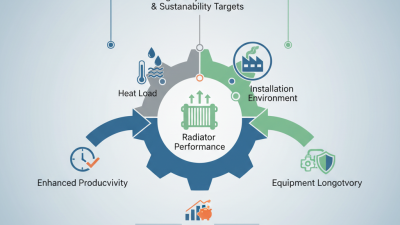
Don't overlook installation space. Compact designs may seem appealing but can lack the necessary performance for larger systems. Balancing size and functionality is often challenging. Take time to weigh all these factors. Finding the ideal heat exchanger isn’t just about what’s trending; it’s about understanding the unique demands of your system.
Top 10 Heat Exchangers in China for Global Buyers - Key Factors to Consider When Choosing Heat Exchangers
| Type of Heat Exchanger |
Material |
Efficiency (%) |
Application |
Price Range (USD) |
| Shell and Tube |
Stainless Steel |
85 |
Oil & Gas |
$500 - $2000 |
| Plate Heat Exchanger |
Titanium |
90 |
Food Processing |
$800 - $3000 |
| Air Cooled Heat Exchanger |
Aluminum |
80 |
HVAC Systems |
$1000 - $4000 |
| Double Pipe Heat Exchanger |
Copper |
70 |
Water Heating |
$300 - $1500 |
| Spiral Heat Exchanger |
Carbon Steel |
75 |
Chemical Processing |
$700 - $2500 |
| Finned Tube Heat Exchanger |
Steel |
88 |
Power Generation |
$1200 - $3500 |
| Plate and Frame |
Stainless Steel |
82 |
Pharmaceuticals |
$600 - $2200 |
| Condenser |
Copper and Aluminum |
89 |
Refrigeration |
$400 - $1800 |
| Heat Exchanger for Waste Heat Recovery |
Alloy Steel |
91 |
Industrial Processes |
$1100 - $2900 |
| Vacuum Heat Exchanger |
Glass Lined |
84 |
Chemical Industries |
$1500 - $4000 |
Top Manufacturers of Heat Exchangers in China
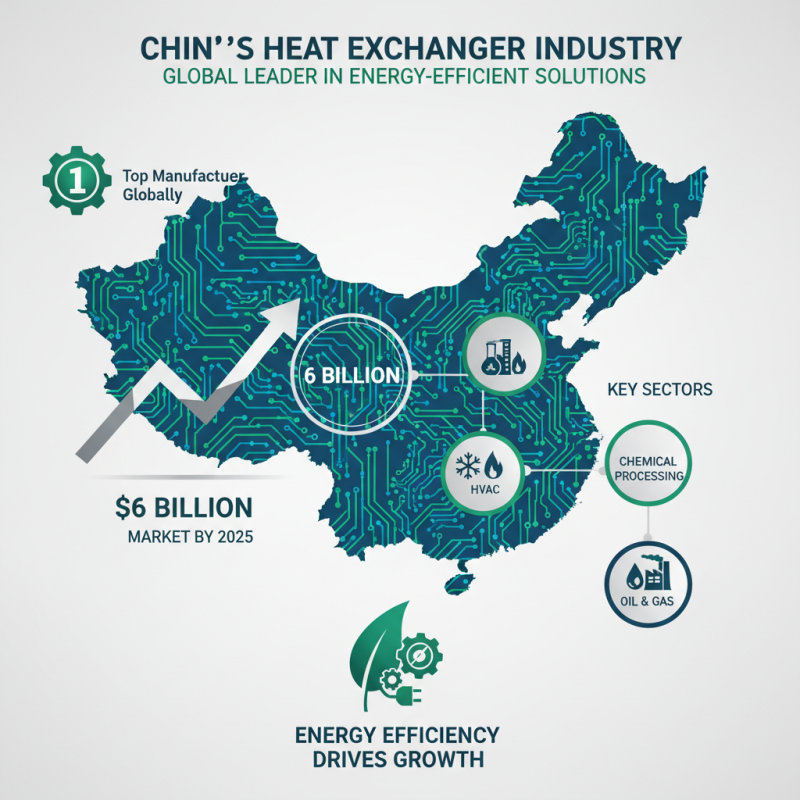
China has become a leading player in the heat exchanger industry. The demand for energy-efficient solutions fuels this growth. Reports indicate that the Chinese heat exchanger market is expected to reach $6 billion by 2025. This highlights the increasing reliance on heat exchangers in various sectors. From HVAC to chemical processing, these devices are critical for sustainable practices.
Top manufacturers in China are focusing on innovation and quality. They invest heavily in R&D to enhance efficiency and performance. According to industry analyses, the average efficiency of heat exchangers has improved by 15% over the past five years. This is significant for industries looking to reduce operational costs. However, challenges remain. Some manufacturers struggle with scaling production to meet global demand. Capacity limitations can hinder supply chains, affecting clients worldwide.
Additionally, there are concerns about quality control. While some manufacturers excel, others may not adhere to strict international standards. This inconsistency can lead to reliability issues in heat exchangers. Buyers must carefully evaluate suppliers' credentials before making purchasing decisions. Proper diligence can mitigate risks and ensure optimal performance in operations, ultimately contributing to energy management goals.
Innovative Technologies in China's Heat Exchanger Market
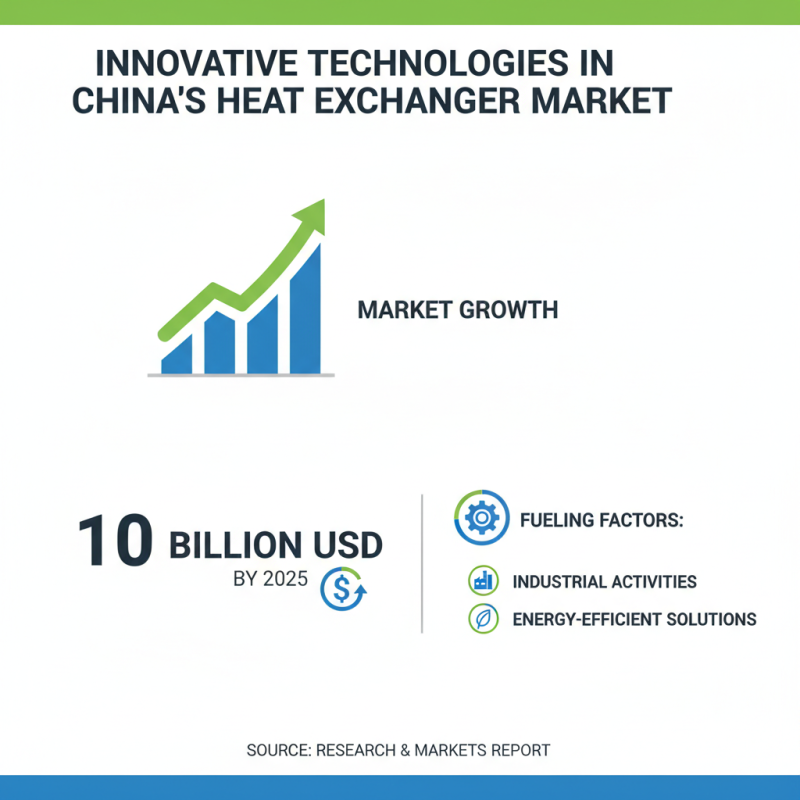
The heat exchanger market in China has witnessed impressive growth fueled by innovation. According to a report from Research and Markets, the heat exchanger market in China is forecasted to reach 10 billion USD by 2025. This growth is attributed to the rise in industrial activities and the increasing demand for energy-efficient solutions.
Innovative technologies like plate and shell heat exchangers are gaining traction. They offer superior thermal efficiency and reduced energy consumption. Additionally, advancements in materials, such as the use of composite materials, enhance heat exchanger longevity and performance. Reports suggest that energy-efficient units can improve performance by up to 30%.
Tips: When selecting a heat exchanger, consider the specific requirements of your application. Pay attention to materials and energy efficiency ratings. Also, conduct thorough comparisons across models to make an informed choice. Remember, investing in the right technology can significantly impact operational costs.
Global Buyers' Insights on Sourcing Heat Exchangers from China
When sourcing heat exchangers from China, global buyers must consider several factors. The heat exchanger market in China is growing rapidly. Reports indicate an annual growth rate of approximately 7% through 2025. This growth reflects not only increased domestic demand but also a rising export potential.
Chinese manufacturers are known for their competitive pricing. However, price should not be the only consideration. Some reports highlight quality discrepancies. Buyers have reported issues with inconsistent manufacturing standards. Engaging directly with manufacturers to assess quality control processes is vital. Establishing clear communication can help mitigate risks.
Furthermore, logistical concerns should not be overlooked. Shipping times from China can vary significantly. Some buyers have faced delays due to customs inspections. Understanding local regulations is essential for smooth transactions. Creating a robust sourcing strategy, with contingency plans, can enhance supply chain reliability. Balancing cost, quality, and logistics can lead to successful procurement.