Top 10 Heat Exchangers to Consider for Global Procurement?
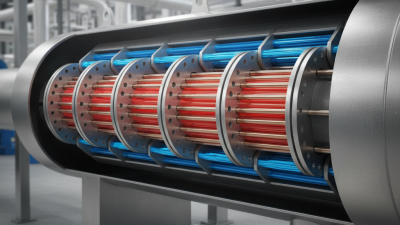
In the industrial world, the importance of heat exchangers cannot be overstated. These devices play a crucial role in managing energy efficiency and optimizing thermal performance in various processes. Choosing the right heat exchanger for your needs can be overwhelming. With numerous types available, it is essential to consider multiple factors.
Understanding the specifics of each option is vital. A particular heat exchanger may work well in one environment but fail in another. Various industries adopt different designs based on unique requirements. From plate and frame to shell and tube, each type has its pros and cons. This complexity can lead to indecision among procurement teams.
By highlighting the top 10 heat exchangers for global procurement, we aim to simplify this process. This guide will provide insights into the benefits, applications, and limitations of these options. Each contender will be evaluated based on performance, cost-effectiveness, and reliability. In navigating the array of choices, informed decisions will be much easier to achieve.
Overview of Heat Exchangers and Their Importance in Global Procurement
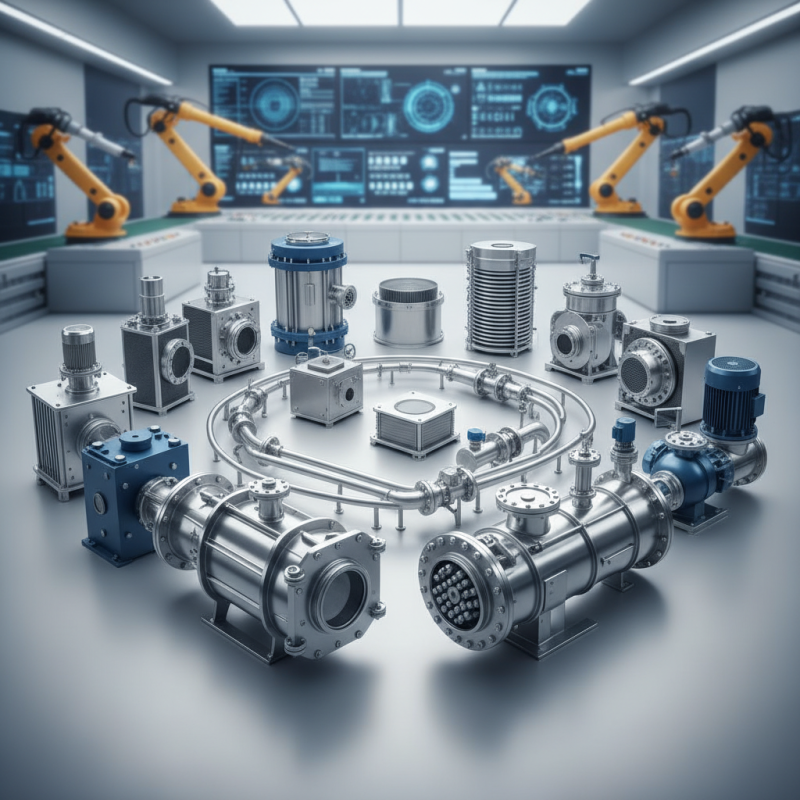
Heat exchangers play a crucial role in various industries, including chemical processing, HVAC, and power generation. They transfer heat between two or more fluids, helping to improve energy efficiency. This efficiency is vital for businesses aiming to reduce operational costs and meet sustainability goals.
Understanding heat exchangers is essential for global procurement specialists to make informed decisions.
When selecting heat exchangers, consider their material composition and operational compatibility. Different materials can withstand various temperature and pressure conditions. Copper, stainless steel, and titanium are common choices. Additionally, evaluating heat transfer efficiency can yield significant cost savings.
Tip: Always consult with an expert to determine the best type for your needs. Custom designs might offer superior efficiency, despite higher initial costs.
Another critical factor is the maintenance requirement of heat exchangers. Some designs allow for easier access and cleaning. Consider the long-term implications of maintenance, not just initial purchase prices.
Tip: Perform a lifecycle analysis before making any purchase. This can reveal hidden costs and savings over time. Understanding these aspects ensures your procurement strategy supports both performance and budget constraints effectively.
Key Factors to Consider When Selecting Heat Exchangers for Purchase
When selecting heat exchangers for procurement, several key factors must be considered. Efficiency is paramount. Choose models that maximize heat transfer while minimizing energy loss. Look for designs that fit the specific thermal requirements of your process. Material selection is also crucial. Corrosion resistance can affect longevity and performance. Consider the operating environment, as different settings demand unique materials.
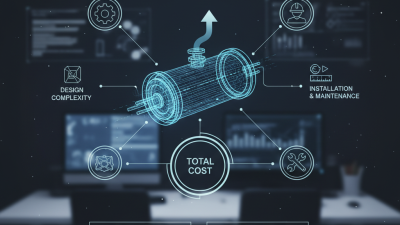
Cost-effectiveness can't be overlooked. While upfront costs matter, long-term savings are essential too. Analyze maintenance needs and operational reliability. A high-quality heat exchanger can reduce downtime and enhance efficiency. Additionally, think about the size and design. Space constraints may limit your options. Compact models may be beneficial, but ensure they still meet performance requirements.
Finally, review supplier expertise and support. A reliable partner should offer technical knowledge and assistance. Consider their experience in your industry. Building a relationship with an experienced supplier can lead to better decision-making in future procurements. Ultimately, careful evaluation of these factors will lead to informed choices. Each step can impact efficiency and operational success in the long run.
Top 10 Heat Exchangers for Global Procurement
This chart illustrates the efficiency of the top 10 heat exchangers considered for global procurement. The values represent the thermal efficiency measured in kilowatts (kW) for each type of heat exchanger, aiding in the selection process based on performance needs.
Top 10 Heat Exchanger Manufacturers and Their Competitive Advantages
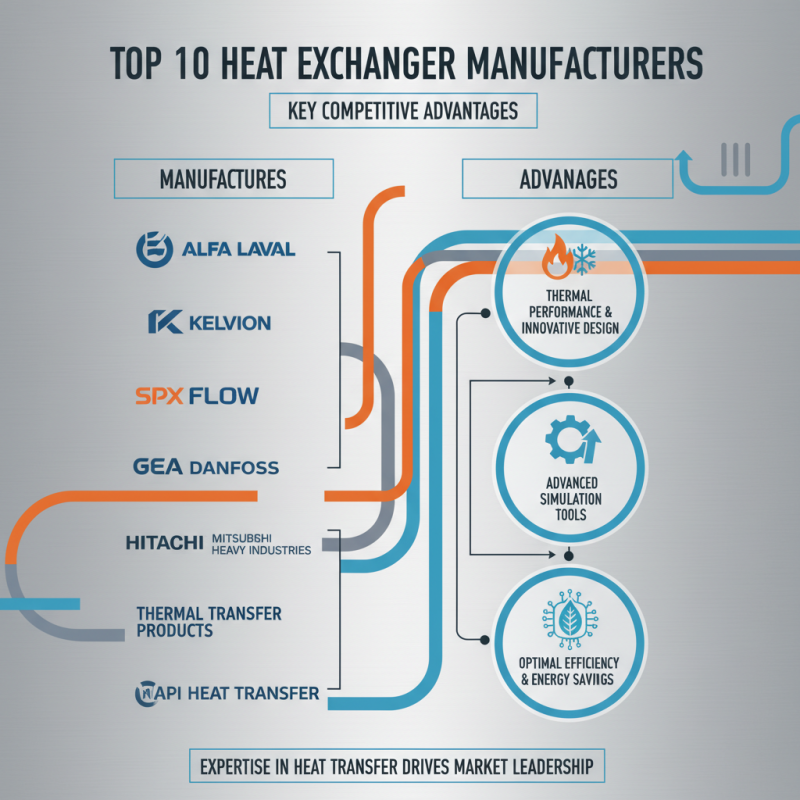
When exploring the top heat exchanger manufacturers, several key players stand out for their competitive advantages. Expertise in thermal performance and innovative design creates a solid foundation for these companies. They often implement advanced simulation tools for optimal efficiency, ensuring effective heat transfer with minimal energy loss. This capability positions them favorably in a crowded market.
Some manufacturers have evolved their processes to focus on sustainability. They utilize eco-friendly materials that reduce environmental impact. This approach not only meets consumer demand but also aligns with global energy efficiency standards. However, not all companies have adapted to these changes swiftly. Some still rely on outdated techniques, limiting their market appeal.
Reliability is paramount in the heat exchanger industry. Leading manufacturers provide rigorous testing and validation of their products. This ensures they meet stringent performance criteria. However, smaller firms may struggle to maintain these standards consistently. They often lack the resources for extensive testing, which can affect their credibility.
Innovative Technologies in Heat Exchangers for Enhanced Efficiency
Heat exchangers play a critical role in many industries. They facilitate efficient thermal energy transfer, impacting overall system performance. Innovative technologies are leading to enhanced efficiency, which is becoming essential.
One key advancement is the use of compact designs. These designs can fit in smaller spaces while maintaining efficiency. Enhanced surface area also plays a crucial role. New materials are being used to improve heat transfer rates. For instance, fins and enhanced tubing can significantly boost performance.
Another innovation involves digital monitoring. Smart sensors can track temperature and pressure in real time. This enables proactive maintenance and performance optimization. However, reliance on technology can sometimes lead to neglect of regular maintenance. Balancing high-tech solutions with consistent upkeep is vital. Overall, while advancements are promising, they require careful management for optimal results.
Sustainability and Environmental Impact of Heat Exchanger Choices
The choice of heat exchangers significantly impacts sustainability. Selecting the right materials can reduce energy use. Copper, for example, is efficient but has a high environmental cost. Additionally, some alternatives may not offer the same level of efficiency without increasing greenhouse gas emissions.
Evaluating the environmental impact demands more than just energy efficiency. Manufacturers must consider the life cycle of materials used in heat exchangers. Sourcing local materials can minimize transportation emissions. However, the availability of such materials varies by region, making responsible sourcing a challenge.
Maintenance and end-of-life disposal are crucial considerations. Some heat exchangers can be recycled, while others contribute to landfill waste. Companies must weigh these factors carefully. The quest for sustainability is ongoing, not flawless. There is always room for improvement in designing heat exchangers that balance efficiency with environmental responsibility.