Top 10 Industrial Radiators for Efficient Heat Management Solutions?
Industrial Radiators play a crucial role in managing heat across various applications. Efficient heat management is essential for optimal performance in many industries. Selecting the right industrial radiator can lead to significant energy savings and improved productivity.
In this exploration of the top 10 industrial radiators, we will highlight their features and benefits. Each radiator serves a unique purpose, from cooling engines to maintaining temperature in manufacturing processes. Businesses often overlook the importance of these components. However, the right radiator can prevent overheating and enhance system reliability.
Investing in industrial radiators is not always straightforward. Choices may vary based on specific needs and budget constraints. Some products may promise efficiency but fall short in real-world applications. Evaluating performance data is crucial for informed decisions. Emphasizing quality and compatibility can lead to better long-term results.
Top 10 Industrial Radiators for Optimal Heat Management Solutions
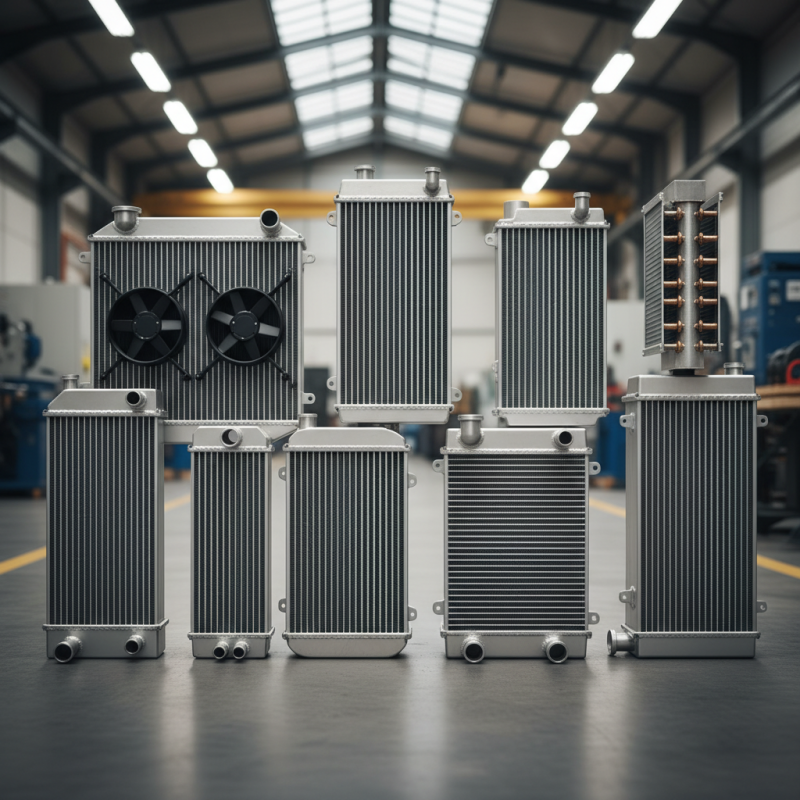
Efficient heat management is crucial in many industrial settings. This is where industrial radiators come into play. They help maintain optimal temperatures in various machinery and environments. A good radiator can significantly enhance performance. However, choosing the right one can be challenging.
Many radiators vary in design and efficiency. Some are compact but may lack the cooling capacity needed for larger applications. Others boast advanced materials but fall short in durability. It's essential to consider these factors when selecting a radiator. Each workplace has unique needs that must be met.
Keep in mind that maintenance is key to maximizing efficiency. Regular checks can prevent overheating and costly downtimes. Not all radiators are easy to maintain, which can be a drawback. Users must be cautious and do their research. Balancing performance with practicality often requires reflection and exploration.
Understanding the Role of Industrial Radiators in Cooling Systems
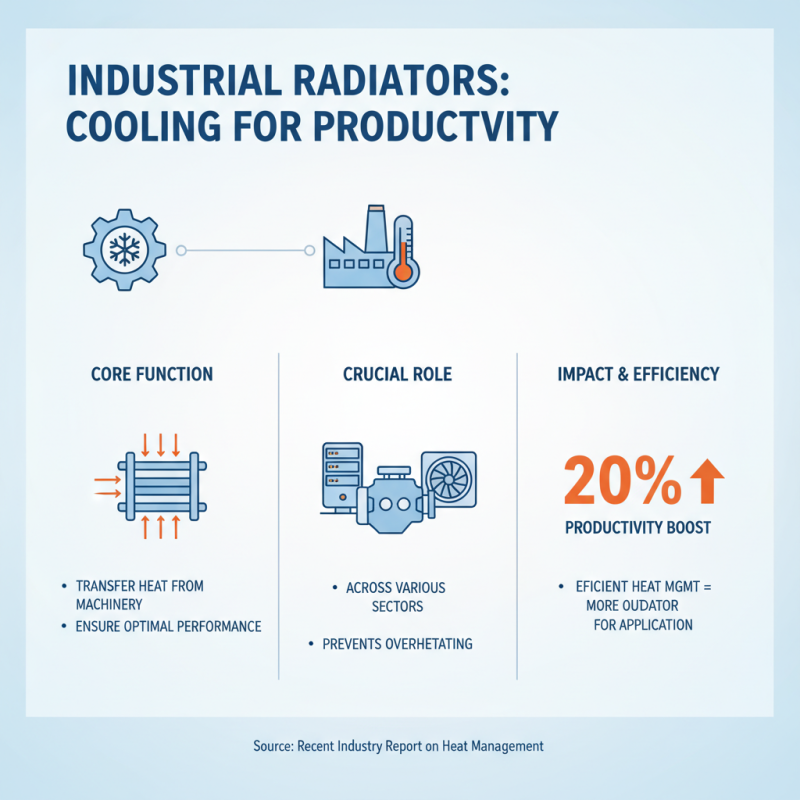
Industrial radiators play a crucial role in cooling systems across various sectors. They effectively transfer heat away from machinery and equipment, ensuring optimal performance. According to a recent industry report, efficient heat management can boost productivity by up to 20%. This statistic emphasizes the importance of selecting the right radiator for specific industrial applications.
While many organizations prioritize cost-efficiency, it’s essential to consider performance. A poorly chosen radiator can lead to overheating and equipment failure, costing far more in repairs than initial savings. Regular maintenance is critical, as neglected radiators can lose efficiency over time. Studies indicate that scheduled upkeep can improve system efficiency by an average of 15%.
Many factors influence radiator performance, such as materials, design, and installation. It’s not always straightforward. For example, some facilities might opt for larger radiators without understanding the thermal load of their systems. This oversight can lead to wasted energy and increased operational costs. An in-depth understanding of heat transfer dynamics is vital for making informed decisions in radiator selection and maintenance.
Key Features to Consider When Selecting Industrial Radiators
When selecting industrial radiators, several key features are essential. Efficiency is a top priority. A good radiator should offer excellent heat transfer capabilities. Look for models with high thermal conductivity. This ensures that heat is distributed evenly throughout the space. A well-designed radiator can make a significant difference in overall performance.
Size matters too. Selecting the right size is critical for optimal heat management. An oversized unit may lead to energy waste, while a small one might underperform. It's about finding the right balance. Materials used in construction also play a role. Robust materials can withstand high temperatures and harsh conditions. They ensure longevity, but be wary of weight, which could affect installation.
Lastly, consider the ease of maintenance. Some units are tricky to access for cleaning. Look for radiators designed for easy serviceability. A radiator that is hard to clean may lead to reduced efficiency over time. Remember, not all features will suit every industrial application. Reflecting on specific needs is crucial for making the right choice.
Top 10 Industrial Radiators for Efficient Heat Management Solutions
| Model |
Material |
Heat Transfer Area (m²) |
Max Operating Temperature (°C) |
Cooling Capacity (kW) |
Weight (kg) |
| Model A |
Aluminum |
15.0 |
120 |
20 |
8 |
| Model B |
Copper |
20.0 |
150 |
25 |
10 |
| Model C |
Steel |
25.0 |
200 |
30 |
15 |
| Model D |
Cast Iron |
30.0 |
180 |
35 |
20 |
| Model E |
Aluminum |
18.0 |
160 |
28 |
9 |
| Model F |
Steel |
22.0 |
190 |
32 |
12 |
| Model G |
Copper |
19.0 |
170 |
27 |
11 |
| Model H |
Cast Iron |
28.0 |
210 |
40 |
25 |
| Model I |
Aluminum |
17.0 |
165 |
26 |
10 |
| Model J |
Steel |
24.0 |
195 |
33 |
13 |
Comparative Analysis of Leading Brands in Industrial Radiators
In the realm of industrial heat management, radiators play a vital role. Effective heat dissipation is crucial for operational efficiency. A recent industry report highlighted that efficient radiators can enhance system performance by up to 25%. This is significant in environments where heat build-up can lead to equipment failure or safety hazards.
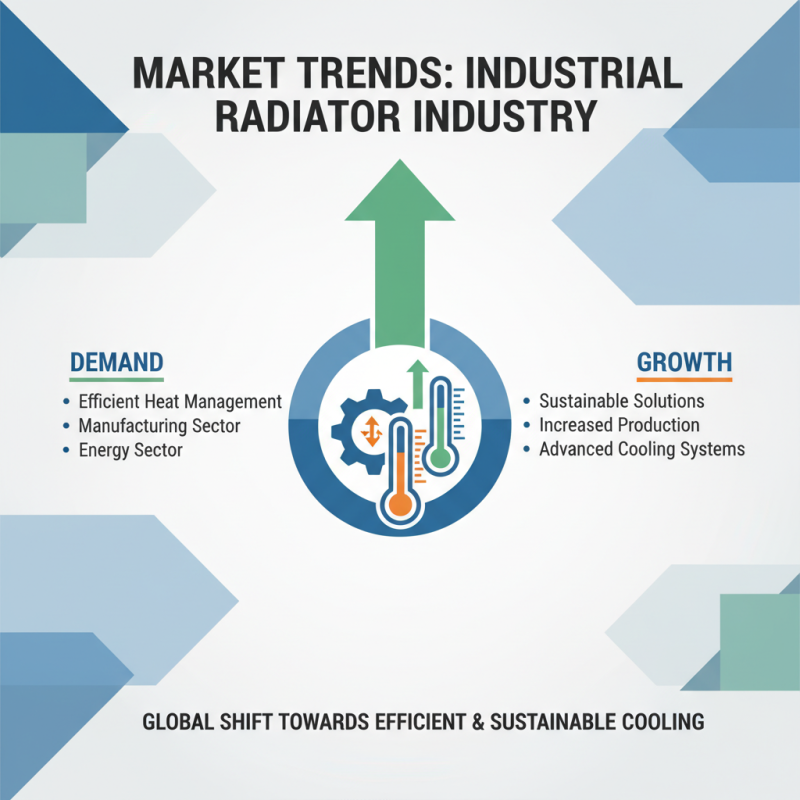
Comparative analysis shows diverse approaches in design and functionality. Some radiators focus on maximizing surface area, leading to faster cooling. Others prioritize materials that enhance heat transfer rates. For instance, copper-based models typically outperform aluminum in thermal efficiency but can be cost-prohibitive. Industry data suggests a shift towards hybrid systems that combine benefits of both materials, reflecting the demand for better heat management without compromising on budget constraints.
User feedback is a valuable indicator of performance. While many report high satisfaction, some radiators still struggle with uneven heat distribution. This inconsistency can lead to hotspots, affecting overall productivity. Continuous feedback loops are essential for manufacturers to refine their designs and address these issues effectively.
Top 10 Industrial Radiators for Efficient Heat Management Solutions