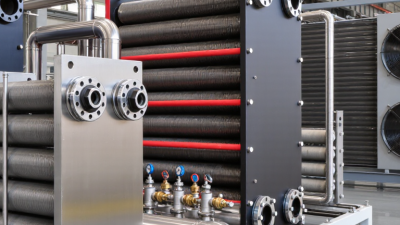
Choosing the right Hydraulic Cooling System is rarely a simple catalogue decision. Global buyers must consider oil viscosity, ambient temperature, duty cycle, contamination, installation space, and service access. A compact excavator working in humid Southeast Asia faces different cooling demands from a mining loader operating in a dry, high-altitude region.
Anthony Esposito, a respected hydraulic engineering author, stated, “Heat is the enemy of hydraulic systems.” His observation remains practical. Excessive oil temperature accelerates seal wear, reduces viscosity, weakens lubrication, and can trigger unexpected shutdowns. Small details matter. A blocked cooler core, undersized fan, or poorly placed temperature sensor may quietly reduce system life.
This guide examines seven hydraulic cooling solutions for international applications. It considers air-oil coolers, water-oil heat exchangers, fan-driven units, compact mobile coolers, and high-capacity industrial designs. Each option has strengths. Each also has compromises. Air cooling may simplify maintenance, but it can struggle in dusty or extremely hot environments. Water cooling can deliver stable performance, yet it requires dependable water quality and careful corrosion control.
The comparison focuses on measurable factors, including heat-dissipation capacity, pressure loss, noise, energy use, footprint, maintenance demands, and compatibility with common hydraulic oils. Still, no ranking fits every machine. Real operating conditions often expose weaknesses that specifications overlook. Buyers should verify flow rate, peak temperature, installation clearance, and local technical support before choosing a final Hydraulic Cooling System.
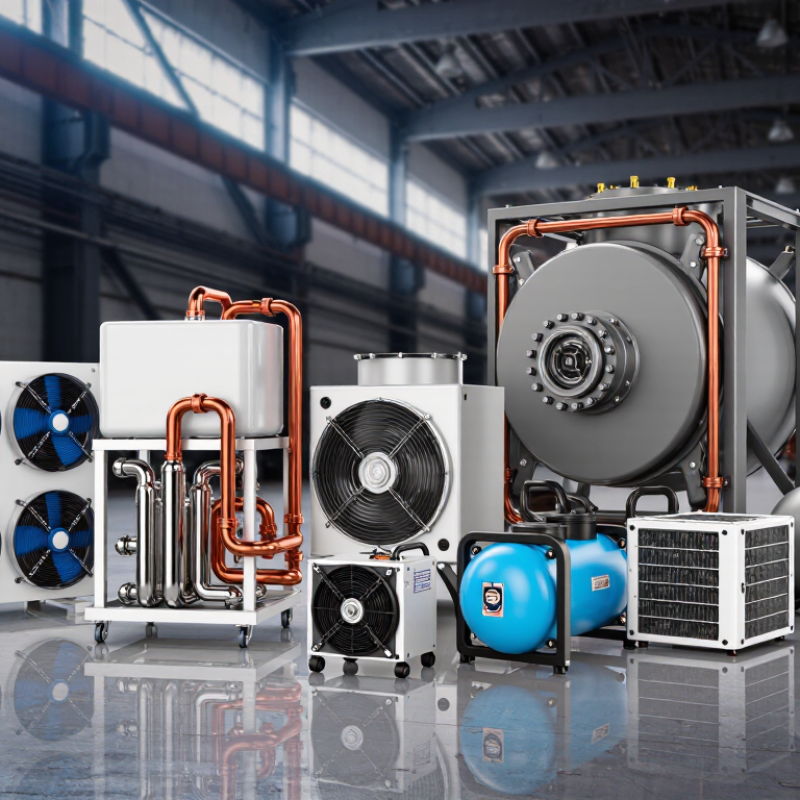
Hydraulic cooling systems control fluid temperature inside power units, presses, excavators, and mobile machinery. They remove heat created by pump losses, throttling, friction, and pressure leakage. Excessive heat lowers oil viscosity, accelerates seal aging, and increases oxidation. It can also cause unstable actuator movement. ISO 4413:2010 emphasizes temperature control, filtration, and contamination management for safe hydraulic operation.
A cooler normally transfers heat from hydraulic oil to air or water. A temperature sensor activates a fan, pump, or control valve when the oil reaches a set point. Air-cooled units suit outdoor equipment, while water-cooled units fit compact industrial installations with reliable water circuits. The IEA’s Energy Efficiency 2023 report states that industry consumes about 37% of global final energy. Even small hydraulic losses deserve attention. However, a larger cooler is not automatically better. Oversizing can increase pressure drop, fan power, and installation cost. This detail is often overlooked.
Tips: Measure oil temperature at the return line, not only inside the reservoir. Check ambient temperature, oil flow, pressure drop, and fouling conditions together. Keep cooling fins clean and inspect hoses for restriction. A practical target is stable oil temperature, not the lowest possible reading. I have seen systems run cooler but waste more energy. That result needs review. For global buyers, confirm ISO documentation, replacement-part availability, local climate performance, and maintenance access before comparing specifications.
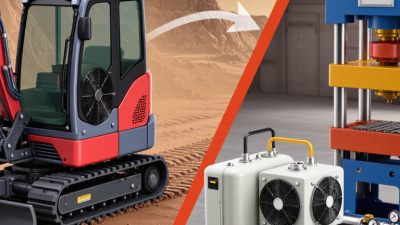
When comparing seven hydraulic cooling systems, start with heat-load control, not purchase price. Measure oil flow, inlet temperature, ambient temperature, and peak machine duty. A cooler rated for average conditions may fail during a hot production shift. I have seen return-line temperatures climb when airflow was restricted by dust. Small details matter. Check permissible pressure drop, because excessive resistance can reduce actuator speed and increase pump demand. Record readings during real operating cycles, not only during commissioning.
The cooling medium changes the decision. Air-cooled units suit locations with limited water access, but fan noise and blocked fins require attention. Water-cooled systems can remove heat efficiently, yet poor water quality may cause scaling or corrosion. Plate designs are compact and easy to expand, while shell-and-tube units often tolerate harsher service. Compare thermal capacity at your actual ambient temperature, not an attractive laboratory figure. For global installation, verify local electrical requirements, enclosure protection, drainage, and available replacement parts.
Lifecycle reliability deserves equal weight. Inspect cleaning access, seal replacement time, sensor accuracy, and control response. A low-cost cooler may become expensive if technicians need hours to reach the core. Use a scorecard covering capacity, pressure loss, energy use, noise, maintenance, and climate suitability. No scorecard is perfect. My own comparisons can miss seasonal changes when site data is incomplete. Leave a sensible thermal margin, but avoid oversizing blindly, since unnecessary volume can increase cost, footprint, and service complexity.
| System Type | Typical Heat-Rejection Range | Cooling Medium | Typical Hydraulic-Oil Temperature Range | Common Operating Pressure Suitability | Main Performance Advantages | Key Limitations | Best-Fit Applications |
|---|---|---|---|---|---|---|---|
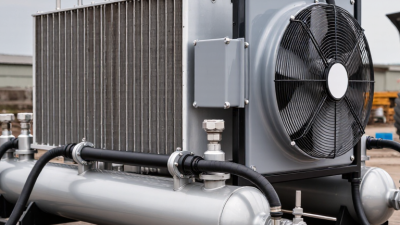
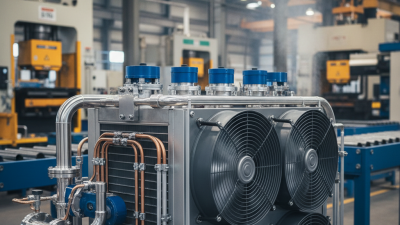
| Air-Oil Cooler with Electric Fan | Approximately 3–150 kW, depending on core size, airflow, and temperature difference | Ambient air | Usually suitable for oil outlet temperatures around 40–70°C | Commonly available for hydraulic circuits up to about 250–350 bar, subject to the selected model | Simple installation; no cooling-water circuit; low risk of water contamination; suitable for mobile equipment | Performance decreases in hot ambient conditions; fan noise and electrical consumption; requires clean airflow | Construction machinery, agricultural equipment, transport systems, and outdoor power units |
| Air-Oil Cooler with Hydraulic Motor-Driven Fan | Approximately 5–200 kW, depending on fan speed and cooler size | Ambient air | Typically controlled within about 45–75°C | Often designed for systems up to approximately 250–350 bar, with circuit-specific pressure limits | Variable fan speed; strong cooling at low engine or machine electrical capacity; well suited to mobile hydraulic systems | Hydraulic motor adds control and plumbing complexity; fan performance depends on available hydraulic flow | Mobile cranes, forestry machinery, mining equipment, and machines with limited electrical power |
| Shell-and-Tube Water-Oil Cooler | Approximately 10–1,000 kW, depending on surface area and water conditions | Cooling water | Often maintains oil near 35–60°C when adequate water is available | Commonly selected for hydraulic circuits up to about 250–400 bar, depending on shell, tube, and port design | Reliable high-capacity heat transfer; tolerant of industrial duty cycles; comparatively easy tube-side servicing | Requires water supply and drainage; scaling, corrosion, and leakage must be managed; higher installation cost | Marine systems, steel plants, injection equipment, stationary presses, and process industries |
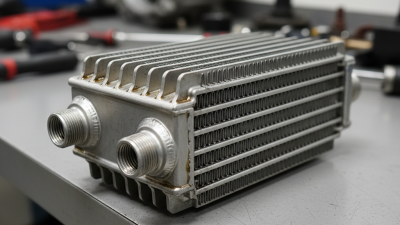
| Brazed Plate Water-Oil Cooler | Approximately 5–500 kW, depending on plate count, flow rate, and temperature approach | Cooling water or treated process fluid | Typically suitable for oil temperatures around 35–65°C | Hydraulic-side ratings commonly range from about 250–350 bar; verify water-side pressure separately | Compact footprint; high heat-transfer coefficient; low fluid volume; efficient for space-constrained installations | Narrow passages are sensitive to contaminated water and oil; cannot normally be mechanically opened for cleaning | Compact power units, factory automation, machine tools, and indoor industrial equipment |
| Plate-and-Frame Heat Exchanger | Approximately 20–2,000 kW, depending on plate area and flow configuration | Cooling water, glycol-water mixture, or other compatible liquid | Often designed for oil outlet temperatures around 30–60°C | Frequently used at hydraulic pressures up to about 250–350 bar with suitable plate and frame selection | Large capacity in a compact area; expandable by adding plates; can be opened for inspection and cleaning | Gasket compatibility and replacement are important; not ideal for highly contaminated fluids or severe vibration | Large hydraulic power units, centralized cooling stations, process lines, and energy infrastructure |
| Oil-to-Air Cooler with Thermostatic Bypass | Approximately 2–100 kW, depending on cooler size and airflow | Ambient air | Helps maintain oil within approximately 40–70°C by bypassing the cooler during warm-up | Typically applied to low- and medium-pressure return or circulation circuits; pressure rating depends on the bypass assembly | Improves cold-start protection; reduces overcooling; supports stable viscosity and more consistent system response | Lower capacity than many water-cooled solutions; bypass valve settings require correct selection and maintenance | Small power packs, lubrication circuits, gearboxes, and equipment operating in variable climates |
| Chilled-Water or Refrigeration-Assisted Oil Cooler | Approximately 5–300 kW, depending on chiller capacity and required temperature difference | Chilled water or refrigerant through a dedicated heat exchanger | Can maintain oil near 25–50°C when properly controlled and protected against condensation | Hydraulic-side pressure capability varies widely; many systems are configured for up to approximately 250–350 bar | Stable cooling independent of ambient temperature; precise temperature control for heat-sensitive processes | Highest energy and installation cost; requires condensate prevention, controls, and regular refrigeration maintenance | Precision manufacturing, indoor process equipment, laboratory machinery, and hot-climate installations |
Global buyers commonly compare seven hydraulic cooling types: air-cooled, water-cooled, shell-and-tube, brazed-plate, gasketed-plate, tube-in-tube, and evaporative systems. Air-cooled units suit remote sites because they avoid water treatment. Water-cooled designs usually remove heat more consistently, but they need clean water and reliable drainage. Shell-and-tube systems tolerate demanding industrial duty. Brazed and gasketed plates save space, although fouling and gasket life require attention. Tube-in-tube models remain simple for smaller circuits. Evaporative systems can reduce outlet temperatures, yet climate and water quality matter greatly.
Market evidence supports careful selection. MarketsandMarkets projected the global heat exchanger market to grow from about USD 17.6 billion in 2023 to USD 25.1 billion by 2028, at roughly 7.4% annually. Grand View Research also identified industrial expansion and energy efficiency as major growth drivers in its 2023 heat exchanger analysis. These figures do not guarantee a suitable hydraulic cooler. They indicate stronger demand for efficient thermal control.
Field experience shows that sizing errors often begin with incomplete data. Measure oil flow, inlet temperature, ambient temperature, pressure loss, and contamination levels. Small details matter. A dusty quarry may punish an air cooler quickly. A coastal plant may accelerate corrosion. A clean datasheet can still mislead when peak heat load is ignored. I would also question optimistic efficiency claims without test conditions, service records, and regional support. Reliability is not merely cooling capacity; it is stable performance after months of real operation.
Installation begins with a site survey, not a catalog choice. Choose a hydraulic cooling system for oil flow, pressure, ambient temperature, and available space. Leave clear access around the heat exchanger for cleaning and inspection. Place it away from welding dust, direct sunlight, and exhaust heat.
Use correctly sized hoses and secure them against vibration. Check oil direction before starting the pump. A reversed connection can reduce cooling performance quickly. I have seen installers ignore this detail. That mistake caused unstable oil temperatures within one shift. Record pressure, flow, and temperature during commissioning. These readings become useful evidence later.
Maintenance should include filter checks, fin cleaning, leak inspections, and electrical terminal testing. Clean clogged fins with low-pressure air or a soft brush. High-pressure water may bend delicate fins. Inspect hydraulic oil for discoloration, foam, or unusual odor. These signs can indicate overheating or contamination. Set a service schedule based on operating hours, not guesswork. Some sites need weekly checks. Others may need less frequent attention.
Energy efficiency depends on control quality. Select a fan or motor that matches actual cooling demand. Variable-speed control can reduce unnecessary power use during mild conditions. Keep oil temperature within the equipment maker’s recommended range. Excessive cooling may waste energy and increase condensation risks. Measure energy consumption after installation, because expected savings can be optimistic. Local climate, maintenance habits, and operator training often change the result. A practical review every few months helps reveal those gaps.
Selecting the right hydraulic cooling system starts with your machine’s real operating conditions, not a catalogue rating. Measure heat load, oil flow, working pressure, ambient temperature, and available space. Heat load matters. Measure it under load.
Among seven common system designs, air-cooled units suit outdoor equipment where water quality is uncertain. Water-cooled systems can perform well in hot indoor plants, but they need reliable water flow and corrosion control. Plate, shell-and-tube, fan-driven, and off-line systems each balance efficiency, service access, noise, and installation cost differently. Check fluid compatibility carefully. A cooler that handles pressure may still damage seals or restrict flow.
In field inspections, I compare actual reservoir temperatures with the cooler’s tested performance data. A safe design should manage peak heat, not only average conditions. Confirm pressure drop at the required flow rate, because excessive restriction can reduce actuator speed. Installation also matters. Leave space around air inlets, provide drain access, and protect fins from dust or crushed stone. Do not ignore maintenance time. A system that is efficient but difficult to clean may underperform within months. I have seen that mistake repeatedly. Before purchase, request test conditions, material specifications, service intervals, and noise data. Compare those details with your application records, then challenge any rating that lacks operating assumptions.