Top Benefits of Microchannel Heat Exchanger for Global Buyers?
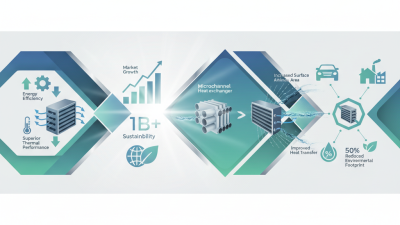
As global demand for energy-efficient solutions rises, the Microchannel Heat Exchanger market is gaining momentum. Dr. Emily Carter, a leading expert in thermal management technologies, has remarked, "Microchannel Heat Exchangers represent a pivotal shift in how we approach heat transfer." This innovation provides enhanced efficiency, reduced size, and lower material costs, which appeal to manufacturers seeking sustainable options.
The Microchannel Heat Exchanger optimizes heat transfer in various applications, including HVAC systems and automotive industries. Its compact structure allows for effective space utilization, making it indispensable in modern designs. As industries strive to reduce carbon footprints, this technology meets the need for sustainable practices while maintaining performance.
However, adoption isn't without challenges. Some engineers express concerns over long-term reliability and maintenance. The initial cost can deter smaller businesses. This enigma invites further exploration into the possibilities and limitations of this technology, suggesting a need for deeper understanding and development in the Microchannel Heat Exchanger field.
Key Features of Microchannel Heat Exchangers
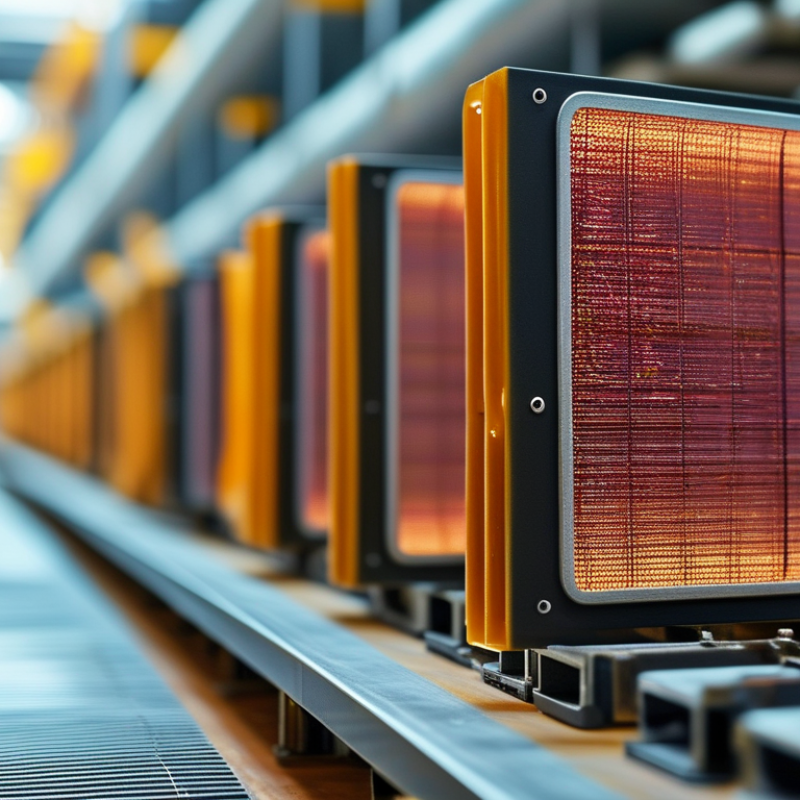
Microchannel heat exchangers have become popular in various industries due to their unique features. These compact devices have significantly smaller dimensions compared to traditional heat exchangers. Their design allows for increased efficiency in heat transfer. With a larger surface area and shorter fluid flow paths, they often improve the overall performance of cooling systems.
Another key feature is their lightweight construction. This makes them easier to handle and install. Reduced weight lowers transport costs and simplifies system integration. Microchannel heat exchangers also offer superior reliability. Fewer joints and connections minimize potential leak points. However, proper installation and maintenance are essential to ensure longevity.
Microchannel designs efficiently facilitate refrigerant distribution. This attribute helps prevent hot spots, thus increasing performance. Despite their advantages, users should consider compatibility with their current systems. Some existing setups may not accommodate these innovative designs easily. Awareness of the potential challenges can guide smarter purchasing decisions. Observing trends and gathering feedback from industry peers can be beneficial in making informed choices.
Advantages for Energy Efficiency and Cost Savings
Microchannel heat exchangers (MCHXs) are gaining traction among global buyers. These innovative systems offer significant energy efficiency benefits. According to a report by the U.S. Department of Energy, MCHXs can improve efficiency by up to 50% compared to traditional exchangers. This improvement translates to lower operational costs and reduced energy consumption. For industries where energy use is a large part of the budget, such savings are critical.
In terms of design, MCHXs use smaller fluid passages. This creates enhanced heat transfer, leading to higher performance. A study published in the International Journal of Heat and Mass Transfer highlights that MCHXs can achieve up to 95% heat transfer effectiveness. However, maintenance can be challenging. These units can accumulate debris in narrow channels, requiring careful monitoring to maintain efficiency. This potential drawback highlights the need for scheduled maintenance and inspection.
Cost savings are another major advantage. The initial investment may be higher, but operational savings quickly offset costs. A McKinsey report mentions that companies can see a payback within two years due to decreased energy costs. Yet, not all applications benefit equally. Buyers should assess their specific needs. Understanding this variability ensures informed decisions.
Benefits of Microchannel Heat Exchanger for Global Buyers
Impact on Compact Design and Space Utilization
Microchannel heat exchangers offer notable benefits, particularly regarding compact design and space utilization. These systems use small channels to enhance heat transfer efficiency. According to a report by the International Energy Agency (IEA), they can improve thermal performance by up to 50% compared to conventional exchangers. This efficiency allows for smaller equipment sizes, which is crucial in space-constrained applications.
Compact design is a major advantage. By reducing the footprint of cooling and heating systems, Microchannel exchangers can fit into tighter spaces. This quality is especially valuable in urban settings where real estate comes at a premium. Manufacturers are increasingly focusing on these design elements to meet the growing demand for energy-efficient solutions in less space.
Tips: Regular maintenance is essential. A clean heat exchanger operates more efficiently. Additionally, consider the surrounding environment. Exposure to contaminants can impact performance. Make informed decisions on installation locations to optimize space utilization effectively. Lastly, always assess your needs before selecting a heat exchanger type. This can help avoid oversizing or undersizing, both of which have their drawbacks.
Applications Across Various Industries
Microchannel heat exchangers are becoming essential in many industries. Their compact design offers space-saving solutions, making them ideal for applications in HVAC, automotive, and electronics cooling. The high heat transfer efficiency helps improve energy conservation efforts. This can lead to significant cost savings for companies as energy prices rise.
In the automotive industry, microchannel heat exchangers are used in vehicle air conditioning systems. They offer lighter weight and better performance compared to traditional exchangers. This weight reduction contributes to improved fuel efficiency. Electronics cooling is another area where these exchangers shine. Their ability to efficiently dissipate heat protects sensitive components, enhancing reliability and lifespan.
Tips: When selecting a microchannel heat exchanger, consider the specific application needs. Evaluating material compatibility ensures the system performs optimally. Regular maintenance remains crucial for long-term performance. In some cases, lack of proper care leads to reduced efficiency.
Microchannel heat exchangers are also beneficial in industrial applications. Food processing and petrochemical industries utilize them for heat recovery. This ensures efficient operation and reduced environmental impact. Despite their advantages, users should be aware of potential fouling issues. Regular monitoring can prevent performance degradation and extend service life.
Considerations for Global Buyers on Selection and Maintenance
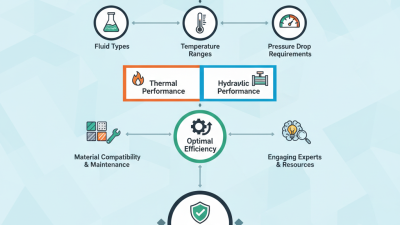
When selecting a microchannel heat exchanger, global buyers must prioritize
performance and efficiency. According to recent industry reports, microchannel technology offers thermal efficiency
improvements of up to 30% compared to conventional heat exchangers.
This can significantly reduce energy consumption, leading to lower operational costs. Understanding your specific application
is crucial. Each design has its strengths and weaknesses, depending on fluid types and flow conditions.
Maintenance considerations are equally important.
Microchannel heat exchangers require regular servicing to ensure optimal performance. With tighter fluid pathways,
debris accumulation can impact efficiency. Buyers should factor in accessibility for cleaning and repairs. Many experts
suggest performing inspections every six months. This proactive approach can prevent costly downtime. However, identifying
the right maintenance schedule may vary based on usage intensity and environmental conditions.
Finally, compatibility with existing systems is a prevalent concern. Inconsistent specifications can lead to
inefficiencies and system failures. Always review compatibility with upstream and downstream components
before making a purchase. Insight from haeters and manufacturers can provide valuable guidance. Balancing these
factors can be challenging, but it is essential for successful integration.