How to Choose the Right Plate-Fin Heat Exchanger for Your Needs?
Choosing the right Plate-Fin Heat Exchanger is crucial for numerous industrial applications. These devices efficiently transfer heat between fluids and are vital in various sectors like HVAC, chemical processing, and aerospace. Their compact design and high performance often make them the go-to choice.
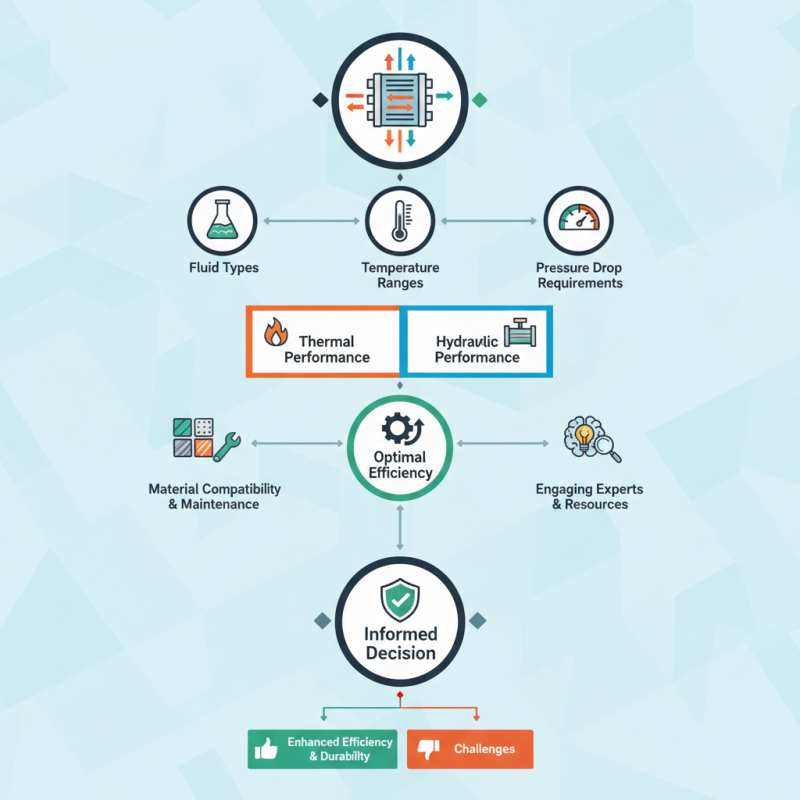
When selecting a Plate-Fin Heat Exchanger, several factors come into play. The fluid types, temperature ranges, and pressure drop requirements must align with your specific application. It’s essential to consider both thermal and hydraulic performance to ensure optimal efficiency. Each decision impacts overall system effectiveness and operational costs.
Furthermore, understanding the intricacies of material compatibility and maintenance needs adds depth to your selection process. Different materials offer unique advantages but may also come with drawbacks. Choices can lead to unforeseen issues if not carefully evaluated. Engaging with experts in the field and reviewing reliable resources often proves beneficial. The right Plate-Fin Heat Exchanger can enhance efficiency and durability, but the wrong choice can lead to challenges. Reflecting on these elements helps in making informed decisions.
Understanding Plate-Fin Heat Exchangers: Basics and Applications
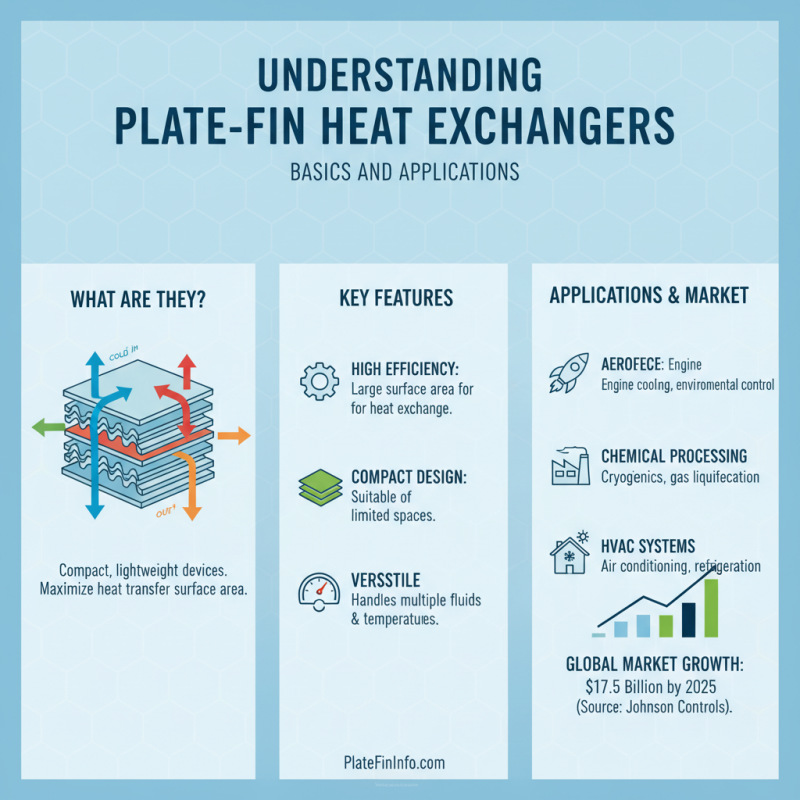
Plate-fin heat exchangers are versatile devices used in various industries. Their design allows for efficient heat transfer, making them suitable for applications like aerospace, chemical processing, and HVAC systems. According to a Johnson Controls report, the global heat exchanger market is projected to reach $17.5 billion by 2025, reflecting their growing importance.
One key advantage of plate-fin heat exchangers is their compact size. This feature leads to reduced space requirements in installations. They can withstand extreme temperatures and pressures, making them ideal for high-performance environments. However, this durability comes at a cost. Maintaining these systems can be challenging. Some users have reported issues with fouling, which affects efficiency and requires regular cleaning.
The selection process also involves considering factors such as thermal performance and material compatibility. A study in the International Journal of Refrigeration highlights that a mismatch between the heat exchanger material and the working fluid can lead to premature failure. This underscores the necessity of thorough analysis during the purchasing phase. It’s crucial to involve engineers who specialize in thermal dynamics when making these decisions. Ignoring this step can result in costly mistakes and system inefficiencies.
Key Factors to Consider When Selecting a Plate-Fin Heat Exchanger
Selecting the right plate-fin heat exchanger involves several critical factors. The first is the application. Consider the specific conditions where the exchanger will operate. For instance, high temperatures and pressures might require robust materials. Knowing the operational environment is key to avoiding premature failures.
Next, evaluate the required heat transfer efficiency. This hinges on the fluid properties and the heat transfer area. A larger surface area typically allows for more heat exchange but comes at a cost. Balancing efficiency with budget constraints can be tricky. Do not underestimate the importance of proper sizing. Oversized units can lead to inefficiencies.
Another factor to ponder is the maintenance requirements. Some designs are more accessible for cleaning and repairs. This can reduce downtime in critical applications. Contemplate how often the unit needs servicing. A reliable heat exchanger can be an asset, but it must match your maintenance capabilities. Keep these considerations in mind. The goal is to find a solution that meets both technical needs and practical realities.
How to Choose the Right Plate-Fin Heat Exchanger for Your Needs?
| Factor |
Description |
Importance Level |
| Fluid Type |
Determine the type of fluids (liquid, gas) you will be using to assess compatibility. |
High |
| Flow Arrangement |
Choose between counterflow, coflow, or crossflow based on efficiency needs. |
Medium |
| Operating Temperature |
Identify the temperature range to ensure the exchanger can handle specified limits. |
High |
| Pressure Drop |
Evaluate allowable pressure drop to optimize system performance and efficiency. |
High |
| Material Selection |
Select materials based on corrosion resistance, heat transfer capabilities, and longevity. |
Medium |
| Maintenance Requirements |
Assess the ease of cleaning and maintenance to prevent downtime. |
Low |
| Size and Weight |
Consider available space and weight limitations in your system design. |
Medium |
Assessing Operating Conditions and Performance Requirements
When selecting a plate-fin heat exchanger, understanding your operating conditions is critical. Operating temperature and pressure impact thermal efficiency significantly. Data from industry reports indicate that optimal temperature differentials can enhance heat transfer performance by 20%. Evaluating operating pressure helps prevent system failures. A rise in pressure can lead to increased fouling and reduced efficiency.
Performance requirements should be assessed carefully. This includes the desired thermal performance and fluid characteristics. For instance, if dealing with corrosive fluids, selecting materials resistant to wear is vital. According to a study by the American Institute of Chemical Engineers, improperly configured heat exchangers can lead to inefficiencies, resulting in energy losses of about 30%.
Consider the space available for installation. Compact design is essential in facilities with limited operational spaces. However, a smaller heat exchanger may compromise performance. Balancing size and efficiency is crucial. Each application is unique, and past experiences show that hasty decisions can lead to costly retrofits. Technical validation and simulations are necessary steps before finalizing the choice.
Performance Comparison of Plate-Fin Heat Exchangers
Materials and Design Features Impacting Heat Exchanger Efficiency
Choosing the right plate-fin heat exchanger requires a deep understanding of materials and design features. The efficiency of these exchangers largely depends on their construction. Materials like aluminum and stainless steel often provide the best thermal conductivity. However, the choice of material should also consider factors like corrosion resistance and operating temperature.
When designing a heat exchanger, the plate configuration plays a crucial role. Different designs can enhance turbulence, improving heat transfer rates. A well-designed unit can maximize efficiency while minimizing pressure drops. But, one must also reflect on how environment factors impact performance. For example, a humid environment may influence material selection and design considerations.
**Tip:** Regularly assess your heat exchanger's operating conditions. Changes in the environment may necessitate a reevaluation of the materials used.
Consider energy costs. Selecting an efficient heat exchanger can lead to significant savings. However, always analyze whether the initial investment aligns with your long-term goals.
**Tip:** Keep a maintenance log. This can help identify patterns and potential issues with efficiency over time.
Ultimately, understanding these aspects ensures you choose a heat exchanger that meets your specific needs efficiently.
Cost Considerations and Maintenance for Plate-Fin Heat Exchangers
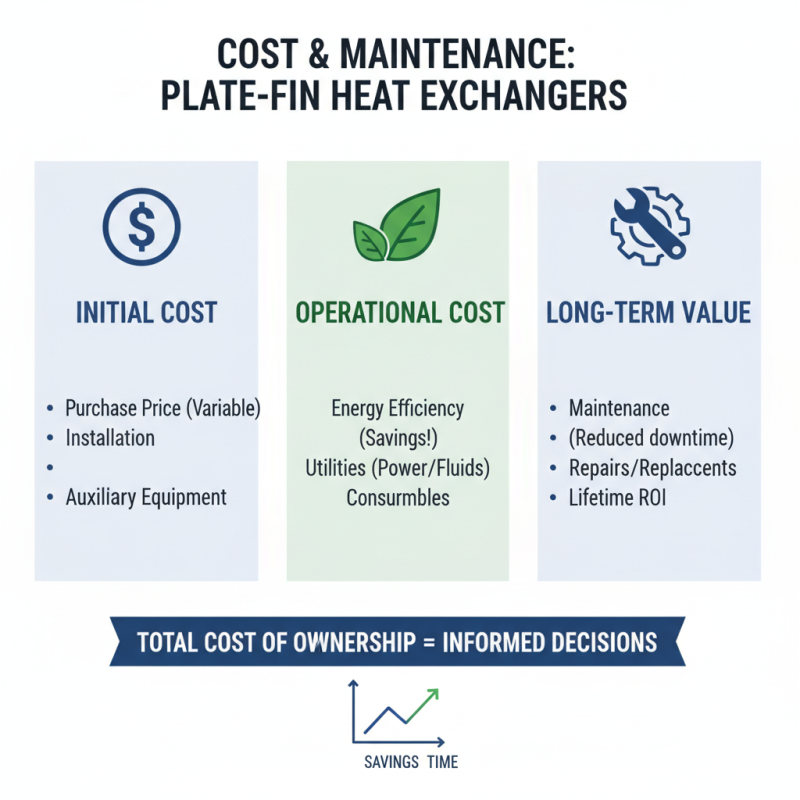
When considering plate-fin heat exchangers, cost is a vital factor. Initial purchase price can vary significantly. However, long-term savings often come from energy efficiency. To estimate costs accurately, consider the total cost of ownership. This includes installation, maintenance, and operational expenses. Invest time in understanding these aspects to make informed decisions.
Maintenance plays a crucial role in the lifespan of plate-fin heat exchangers. Regular inspections and cleaning can prevent performance losses. Neglect can lead to unexpected failures, resulting in costly repairs. It's important to be proactive. Develop a maintenance schedule tailored to your specific operating conditions. Monitor key performance indicators to identify issues early.
Choosing the right plate-fin heat exchanger involves balancing upfront costs with future savings. While the cheapest option might seem appealing, consider its longevity and efficiency. Seek expert advice if you are unsure. Make decisions based on credible information, and don't hesitate to reevaluate your choices. This approach will lead to better outcomes in your operation.