China Top Plate-Fin Heat Exchanger Suppliers You Need to Know?
In the competitive landscape of thermal management solutions, Plate-Fin Heat Exchangers stand out due to their efficient design and performance. According to a recent market analysis, the global heat exchanger market is projected to reach USD 18 billion by 2026, with Plate-Fin models gaining significant traction. This growing demand highlights the need for reliable suppliers who can meet the increasing standards for efficiency and durability.
Several factors drive the popularity of Plate-Fin Heat Exchangers. Their lightweight construction leads to lower operational costs. Moreover, they excel in space-constrained applications while providing effective heat transfer. Notably, industries such as aerospace and oil and gas heavily rely on these systems. However, challenges persist. Not all suppliers offer the same quality or expertise. Selecting the right manufacturer is vital for long-term performance and reliability.
As the market expands, it can be overwhelming to choose from numerous suppliers. It is essential to evaluate their credentials and past projects. Engaging with experienced suppliers ensures that specific needs are met. In exploring the leading Plate-Fin Heat Exchanger suppliers, it becomes clear that expertise and innovation are key differentiators in this ever-evolving field.
Overview of Plate-Fin Heat Exchangers in China
Plate-fin heat exchangers play a crucial role in various industries across China, especially in
aerospace and energy sectors. These devices facilitate efficient
thermal energy transfer. Recent industry reports show that the market for plate-fin heat
exchangers in China is projected to grow at a compound annual growth rate (CAGR) of
5.6% through 2027. This growth is driven by the
increasing demand for energy-efficient solutions amid tightening environmental regulations.
The design of plate-fin heat exchangers allows for a compact structure with
high heat transfer efficiency. Designers can optimize the fin geometry
to enhance thermal performance. However, challenges exist in manufacturing processes.
Some issues include the precision required in fin fabrication and the materials used,
which must withstand extreme temperatures and pressures. Manufacturers need to
continuously innovate in these areas.
In recent years, sustainability has become a focal point in the industry.
Many companies are exploring eco-friendly materials and manufacturing techniques.
Integrating advanced technologies such as simulation
software aids engineers in optimizing designs. Despite these advancements, the industry
still faces hurdles in balancing cost-effectiveness with high performance. Continuous
research is needed to overcome these challenges and meet evolving market demands.
Key Features of Plate-Fin Heat Exchangers
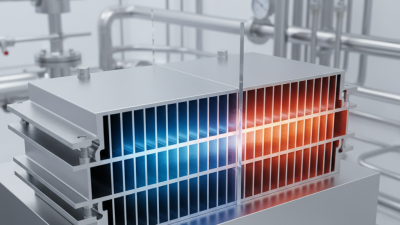
Plate-fin heat exchangers are known for their efficiency and compact design. These units are essential in various industries, including HVAC, aerospace, and chemical processing. Their design allows for a higher heat transfer surface area compared to traditional shell-and-tube heat exchangers. In fact, studies indicate that plate-fin models can improve thermal performance by up to 25% under similar operating conditions.
The key features of plate-fin heat exchangers include enhanced heat transfer efficiency and reduced weight. The fins increase surface area, facilitating rapid heat exchange. This efficiency is crucial in applications where space is limited. Additionally, the lightweight nature of these exchangers helps in reducing system costs, particularly in aerospace applications, where every gram counts. A market analysis report indicates growth projections in sales for plate-fin heat exchangers, pointing to a rising demand in energy-efficient technologies.
However, the manufacturing process can be complex. Proper design and material selection are critical for ensuring durability and reliability. Plate-fin exchangers must withstand high pressures and corrosive environments. Mistakes in the design phase can lead to failure, impacting overall system efficiency. Ongoing evaluation of manufacturing practices is essential to enhance the quality and performance of these systems.
Top Suppliers of Plate-Fin Heat Exchangers in China
When searching for top suppliers of plate-fin heat exchangers in China, several factors come into play. These suppliers are vital in various industries such as aerospace, oil and gas, and HVAC. With their advanced technology, they enhance efficiency and reduce energy consumption in thermal systems.
Quality is paramount when selecting a supplier. Many companies offer innovative designs that maximize surface area, improving heat transfer rates. However, potential buyers must also be wary of inconsistent quality. Some suppliers may prioritize low cost over reliability. Researching industry certifications and client testimonials can help gauge a supplier's credibility.
Communication is crucial in this field. Some suppliers may have language barriers, making technical discussions challenging. Clear communication is essential for ensuring product specifications meet your needs. Engaging with multiple suppliers can provide insights into market trends and innovation. Balancing cost and quality often involves discussing options and negotiating terms.
Top Plate-Fin Heat Exchangers Market Share in China
Comparative Analysis of Leading Suppliers
In the competitive landscape of heat exchangers, several suppliers stand out for their innovative technology and efficiency. A recent industry report highlights that the plate-fin heat exchanger market is expected to grow by 7% annually through 2027. This growth reflects the increasing demand for energy efficiency and compact designs in various applications such as oil and gas, power generation, and HVAC systems. An investment in high-quality heat exchangers can lead to substantial cost savings over time.
Tips: Always consider a supplier's technology advancements. Newer designs may optimize thermal performance. Engaging in a detailed comparison of thermal efficiency and pressure drop can be beneficial. Another key aspect is material selection. The right materials can significantly enhance durability and performance, especially in harsh environments.
Some suppliers excel in customer service, while others focus strictly on engineering. It's important to assess suppliers not just on efficiency ratings but also on reliability and support. A significant report indicates that around 15% of replacements stem from service issues rather than performance failures. Companies should not overlook after-sales support when making decisions, as it impacts long-term partnerships and operational success.
Future Trends in the Plate-Fin Heat Exchanger Market in China
The plate-fin heat exchanger market in China is evolving rapidly. This shift is influenced by technological advancements and the growing demand for energy efficiency. Manufacturers are exploring innovative designs to enhance performance. They focus on optimizing fluid dynamics and improving thermal efficiency. The integration of advanced materials also plays a significant role. Lightweight materials reduce weight without sacrificing durability.
Sustainability is a driving force in this industry. Companies are investing in environmentally friendly production methods. This move not only meets stringent regulations but also aligns with global trends. The market is likely to see increased competition as more players enter. However, expertise and reliability will remain crucial.
There are challenges ahead. Some manufacturers may struggle with adapting to new technologies. The need for skilled workers is critical. As the market expands, ensuring quality standards will be vital. All these factors will shape the future of plate-fin heat exchangers in China.
China Top Plate-Fin Heat Exchanger Suppliers You Need to Know? - Future Trends in the Plate-Fin Heat Exchanger Market in China
| Supplier Category |
Market Share (%) |
Key Applications |
Growth Rate (2023-2028) |
Emerging Trends |
| Manufacturers |
30% |
Chemical Processing, HVAC |
5% CAGR |
Advanced Materials, Energy Efficiency |
| Distributors |
25% |
Oil & Gas, Aerospace |
4% CAGR |
Digital Solutions, Sustainability |
| Exporters |
20% |
Marine, Pharmaceutical |
6% CAGR |
Innovations in Design, Automation |
| OEM Specialists |
15% |
Power Generation, Electronics |
3% CAGR |
Customization, Smart Technology |
| R&D Firms |
10% |
Research, Development |
7% CAGR |
New Technologies, Partnership Models |