How to Choose the Best Oil Cooler for Torque Converter?
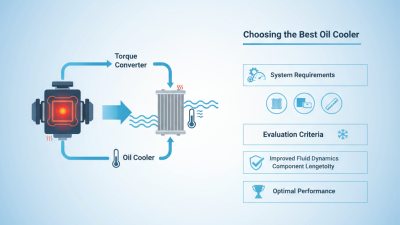
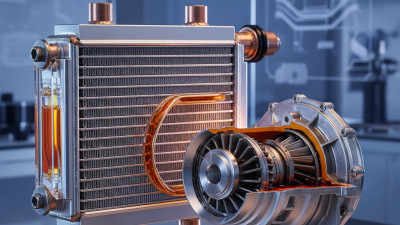
Choosing the right oil cooler for a torque converter is vital for performance and durability. A quality oil cooler can significantly enhance your vehicle's cooling system. Proper cooling helps maintain the optimal temperature for transmission fluid, ensuring smooth shifting and extended lifespan.
When selecting an oil cooler for torque converter, consider factors like size, design, and material. A cooler that's too small might not handle the heat, while an oversized model could disrupt flow. Often, manufacturers recommend specific models based on vehicle brand and type. Look for reputable brands with positive reviews for reliability.
It's essential to think about installation as well. Some coolers are easier to install than others. If you're not experienced, professional help may be necessary. Also, reflect on the environmental conditions in which you drive. Extreme temperatures can influence performance. Taking the time to choose the right oil cooler for torque converter will lead to better performance and satisfaction.
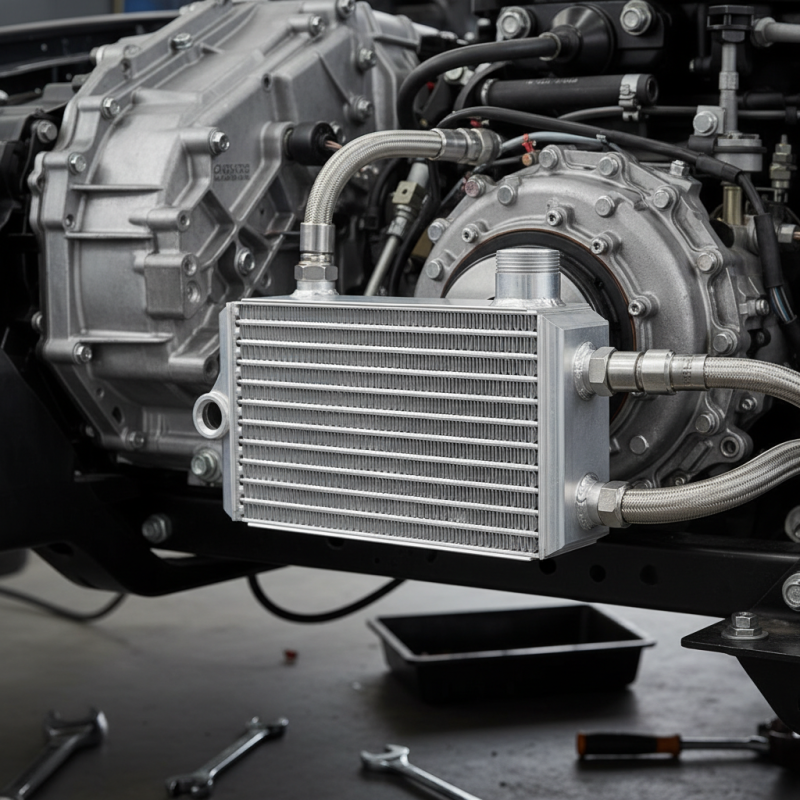
Understanding the Purpose of an Oil Cooler for Torque Converters
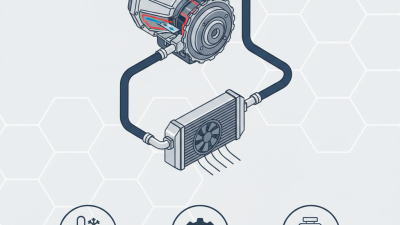
An oil cooler for a torque converter plays a crucial role in maintaining optimal performance. Its primary purpose is to regulate the temperature of the transmission fluid. Excessive heat can lead to reduced efficiency and potential damage to the converter and transmission components. Proper cooling helps prolong the life of these critical systems.
When selecting an oil cooler, consider the design and material. High-quality materials enhance durability and heat dissipation. Pay attention to the size of the cooler as well. A larger cooler might offer better cooling but can be more cumbersome. It’s key to find a balance between efficiency and compatibility with your vehicle's design.
Tips: Always check the manufacturer's specifications for compatibility. Ensure the cooler can handle the expected fluid flow rate. Regularly inspect your oil cooler for leaks or blockages. A proactive approach can prevent overheating issues. Monitor the temperature closely during operation; it will guide your maintenance decisions.
Key Factors in Selecting an Oil Cooler for Torque Converters
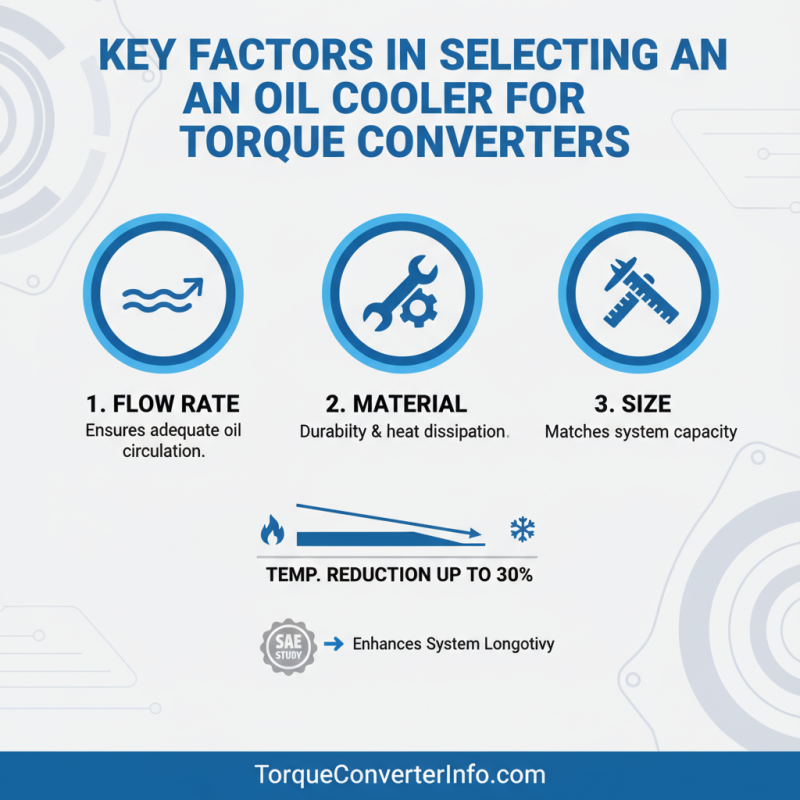
Choosing the right oil cooler for your torque converter is crucial for optimal performance. Key factors include flow rate, material, and size. A study by the Society of Automotive Engineers indicates that an efficient oil cooler can reduce transmission temperatures by up to 30%. This reduction significantly enhances the longevity of your system.
When assessing oil coolers, consider flow rate. The right oil cooler should provide adequate flow to minimize heat buildup. Look for options that fit your torque converter’s specifications. Size matters; too small can lead to poor cooling, while too large may create resistance. Material is another crucial aspect. Aluminum is lightweight and conductive but might not resist corrosion as well as steel.
**Tips:** Monitor your transmission temperature frequently. If temperatures exceed 200°F, re-evaluate your cooler choice. It’s advisable to balance cost with quality. Remember, a cheaper cooler might not offer the same heat dissipation effectiveness, risking potential damage to your torque converter.
Different Types of Oil Coolers: Pros and Cons
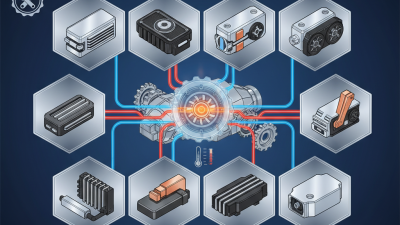
When selecting the best oil cooler for a torque converter, understanding the different types available is crucial.
Air-cooled oil coolers are simple and lightweight, ideal for moderate performance vehicles. However, they may struggle in extreme conditions. Studies indicate that they can lose efficiency in high-temperature environments, impacting overall performance.
Liquid-cooled oil coolers use a more complex design. They provide superior heat dissipation, suitable for high-performance applications. Yet, they require a more intricate installation process. Experts report that while they can enhance engine life, their complexity may deter some DIY enthusiasts. A data analysis showed that vehicles utilizing liquid-cooled systems reported a 15% increase in efficiency.
Tip: Always consider the environment where you’ll be using your vehicle. If you operate in extreme weather, opt for liquid-cooled coolers despite the installation challenges.
While both cooler types have their advantages, they also come with drawbacks. Air coolers may be cost-effective but can lead to overheating in demanding scenarios. Conversely, liquid coolers can require regular maintenance. It’s vital to examine your specific needs and driving conditions before making a choice. A thorough analysis of your requirements will lead to better long-term results.
Installation Considerations for Torque Converter Oil Coolers
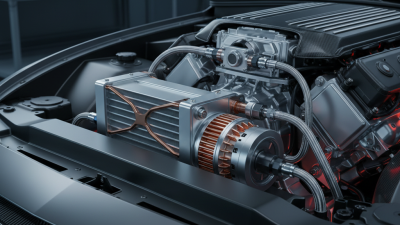
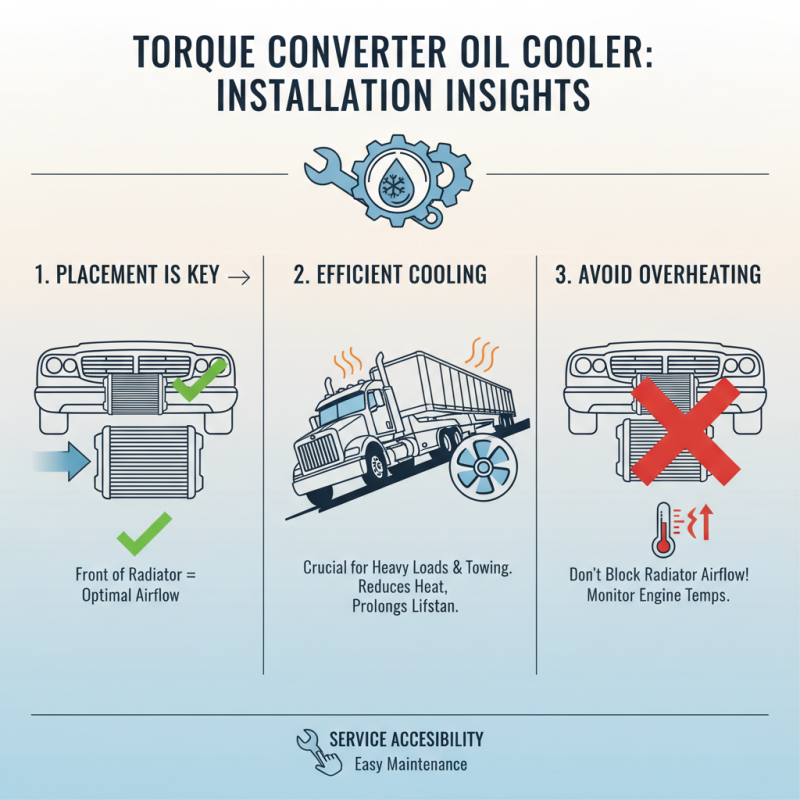
When considering the installation of an oil cooler for a torque converter, proper placement is crucial. An ideal location ensures efficient cooling while maintaining accessibility for service. Mounting the cooler in front of the radiator offers optimal airflow. This is vital for cooling performance, especially during heavy load conditions. However, be mindful of blocking any airflow to the radiator, which can lead to overheating.
The type of connections used during installation also matters. Ensure that all fittings are secure and leak-proof. Using high-quality hoses prevents potential failures over time. Pay attention to the routing of hoses; sharp bends can restrict fluid flow. Check the specifications of your vehicle to determine the size and capacity of the oil cooler needed. A cooler that is too small may not provide adequate cooling, while one that is too large could create other issues.
Installation can pose challenges too. Make sure you have the right tools and follow safety precautions. It's helpful to consult a professional if you are unsure about the installation process. Mistakes can lead to costly repairs. Taking your time and ensuring every detail is correct will result in a more reliable system. Don't overlook the importance of regular maintenance after installation. This will keep your torque converter performing optimally.
Maintenance Tips for Optimal Oil Cooler Performance
Maintaining your oil cooler is essential for ensuring optimal performance of your torque converter. Regular inspection helps detect signs of wear or leaks. A visual check can reveal any external damage to the cooler's body. Pay attention to rust or corrosion, which could compromise performance over time.
Changing the oil regularly is crucial. Used oil can harbor contaminants that degrade the cooler's function. Old oil may lead to overheating or reduced efficiency. Flushing the entire system every few years can help remove these harmful particles. Monitoring the temperature is also important. If you notice unusually high readings, it could be a sign of a malfunctioning cooler.
Seals and fittings should not be overlooked. Inspect them periodically for cracks or deterioration. Even small leaks can lead to significant performance issues. It's also wise to keep an eye on the installation. Any misalignment could cause undue stress on the cooler itself. Make adjustments as necessary to ensure proper fit and function.