How to Choose the Best Cooling Systems for Your Needs?
Choosing the right cooling systems is crucial for comfort and efficiency. As John McCarthy, an HVAC expert with over 20 years of experience, states, “The perfect cooling system balances performance with energy efficiency.” This insight emphasizes the importance of making informed choices.
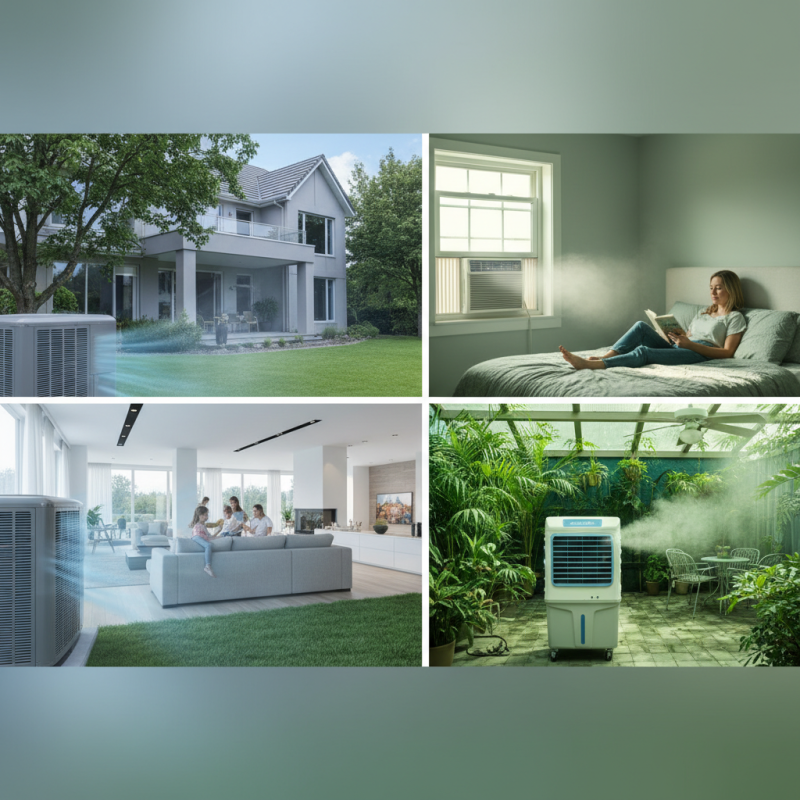
When selecting cooling systems, consider your specific needs. Homes vary in size and layout, influencing the type of system that works best. Central air conditioning might suit larger spaces, while window units can be ideal for smaller areas. Each option presents different advantages and drawbacks.
Moreover, factors like climate and energy costs should NOT be overlooked. Some systems offer better performance in humid environments. Reflecting on your personal situation can lead to better outcomes. Exploring various options allows for a more tailored approach. Finding the best cooling systems requires careful thought and consideration.
Understanding Your Cooling Needs and Environment
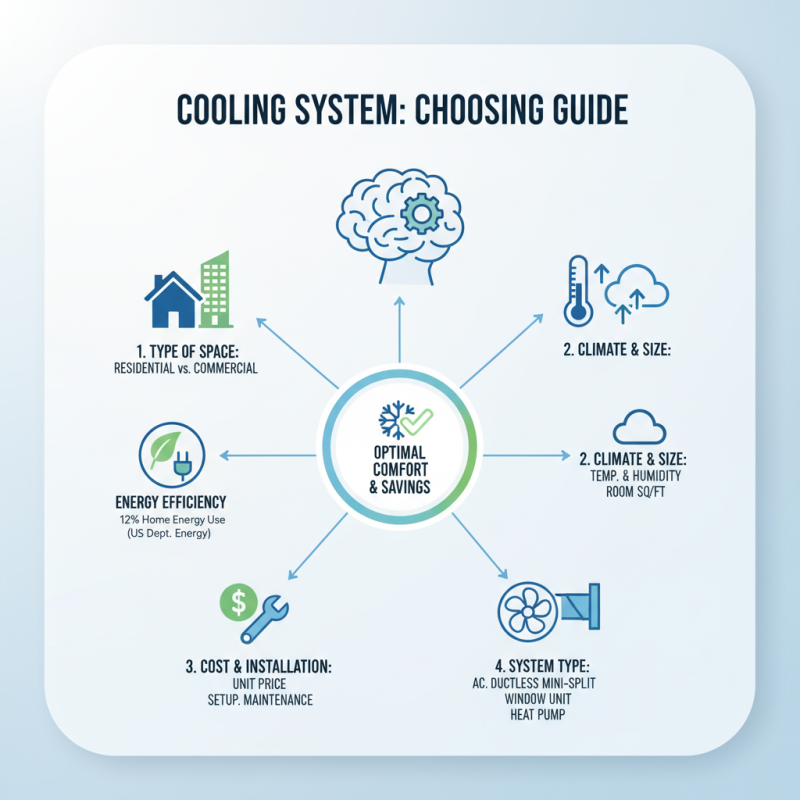
When choosing a cooling system, understanding your specific cooling needs is crucial. The first step is to assess the size of your space. According to a report by ASHRAE, a room's cooling requirement can differ significantly based on its square footage and the number of occupants. Larger spaces often need multi-zone systems, which can distribute air more effectively.
Consider the environment as well. For instance, high humidity areas may require dehumidifying systems alongside cooling. Research shows that humidity can elevate perceived temperatures, making effective humidity control essential. Moreover, energy efficiency ratings matter. The U.S. Department of Energy states that systems with higher SEER ratings can lower energy consumption significantly, leading to cost savings.
One should also reflect on the type of cooling technology. Evaporative coolers work best in dry climates, while traditional air conditioning may be more suited for humid locales. Inadequate understanding of these factors can lead to poor system performance and increased energy bills. Each environment poses unique challenges, and it is vital to recognize that there’s no one-size-fits-all solution. Being aware of these details helps in making informed decisions.
How to Choose the Best Cooling Systems for Your Needs?
| Cooling System Type |
Ideal Environment |
Energy Efficiency Rating |
Noise Level (dB) |
Cost Range ($) |
| Central Air Conditioning |
Large homes, Multi-room cooling |
A++ |
50-70 dB |
3000 - 7000 |
| Ductless Mini-Split |
Single rooms, Apartments |
A++ |
30-50 dB |
2000 - 5000 |
| Window Air Conditioner |
Single room, Small apartments |
A+ |
50-60 dB |
150 - 750 |
| Portable Air Conditioner |
Temporary use, Small spaces |
A+ |
50-65 dB |
250 - 800 |
| Evaporative Cooler |
Dry climates |
A |
40-60 dB |
200 - 600 |
Types of Cooling Systems: An Overview
When selecting a cooling system, knowing the types available is crucial. The most common types include central air conditioning, window units, and evaporative coolers. Each has distinct advantages and limitations, making it essential to understand when each is most effective. According to the U.S. Department of Energy, central air systems can distribute cool air efficiently through large spaces, yet their installation costs can be high.
Window units offer a more affordable option, particularly for cooling single rooms. They are highly popular, with market research indicating that more than 20% of U.S. households utilize them. However, their effectiveness can diminish in larger or multi-story residences. Evaporative coolers provide an energy-efficient solution, especially in arid climates. They consume up to 75% less energy than traditional air conditioning systems, but their performance relies heavily on humidity levels.
As you explore these options, consider your specific cooling needs. It's also wise to reflect on the energy consumption of each system. Understanding how each type impacts your energy bills can lead to more informed decisions. Each system may require different maintenance practices, influencing overall costs. Balancing efficiency and expense can be a challenge, making thorough research indispensable.
Types of Cooling Systems: An Overview
Evaluating Energy Efficiency and Costs
When selecting a cooling system for your home or business, energy efficiency and costs are crucial factors. The U.S. Department of Energy reports that cooling accounts for about 12% of total energy expenses in residential buildings. Therefore, understanding energy efficiency ratings can help manage these costs effectively. Systems that earn the ENERGY STAR label can be 15% more efficient than standard models, leading to significant savings over time.
Projecting long-term costs is essential. Initial investments in high-efficiency systems may be higher, but the savings on utility bills can offset this. For instance, an efficient air conditioning system can save homeowners around $200 annually in energy costs, according to the Energy Information Administration. Furthermore, maintenance plays a role in efficiency. A neglected system can lose up to 20% of its efficiency due to dirty filters or blocked ducts.
It's vital to evaluate cooling demand relative to your specific needs. Homes in hotter climates may require more robust systems, while those in milder areas can benefit from simpler solutions. Sometimes, larger systems waste energy and money. Balancing the cost and efficiency of cooling systems requires a thoughtful approach.
Installation and Maintenance Considerations for Cooling Systems
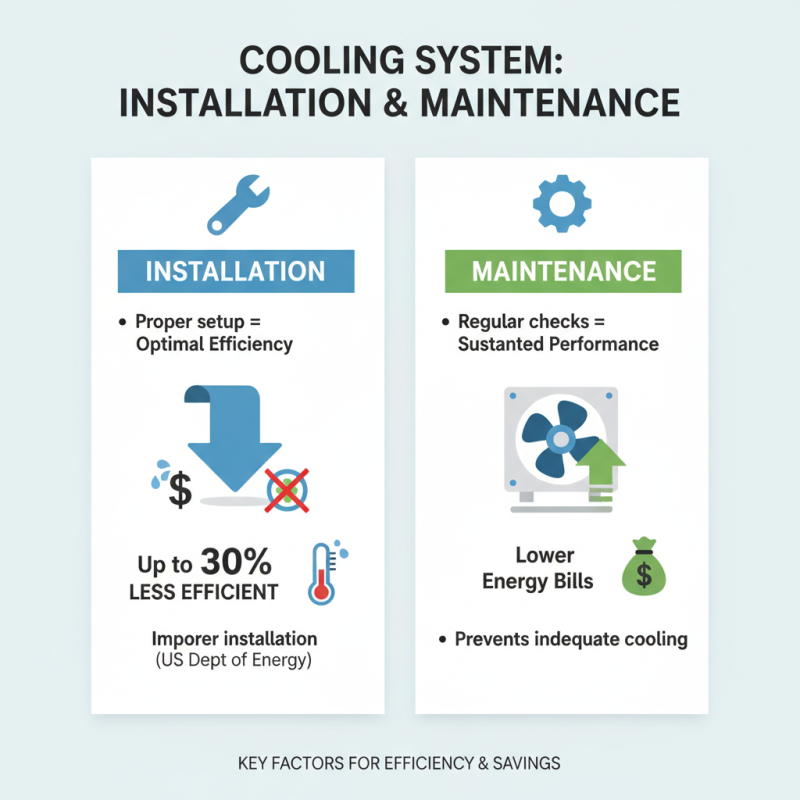
When selecting a cooling system, installation and maintenance are crucial factors affecting performance. Proper installation ensures optimal efficiency. According to the U.S. Department of Energy, improper installation can decrease system efficiency by 30%. This means potential high energy bills and inadequate cooling.
Regular maintenance is essential. A study by the Air Conditioning, Heating, and Refrigeration Institute states that neglected systems operate 5% less efficiently each year. This can lead to costly repairs and reduced lifespan. During maintenance, check filter conditions and clean the coils to enhance airflow and prevent overheating.
Tips: Schedule professional inspections annually. Dirty filters are the most common cause of system failure. Consider investing in a programmable thermostat. It can optimize energy use based on your schedule, leading to significant savings. Monitoring your cooling system regularly can prevent minor issues from escalating into major repairs.