Top 10 Effective Cooling Systems for Efficient Temperature Management?
Cooling Systems play a critical role in managing temperature across various industries. As demand rises for efficient and reliable cooling solutions, understanding the landscape of available systems is essential. According to a recent report by the International Energy Agency, cooling accounts for more than 10% of global electricity consumption. This figure is increasing, emphasizing the need for effective temperature management methods.
Industry expert Dr. Emily Roberts states, “The future of Cooling Systems hinges on innovation and energy efficiency.” Her perspective highlights the urgent need for advanced cooling technologies. Companies are exploring options that reduce energy usage while maintaining optimal performance. There's a growing trend towards eco-friendly systems, but challenges persist.
Implementing new technologies can be costly. Furthermore, not every company has the resources for a complete overhaul of existing systems. It’s critical to weigh the immediate costs against potential long-term savings. As the market evolves, companies will need to adapt swiftly to stay competitive. The path forward is complex and requires collaboration among stakeholders.
Understanding the Importance of Cooling Systems in Temperature Management
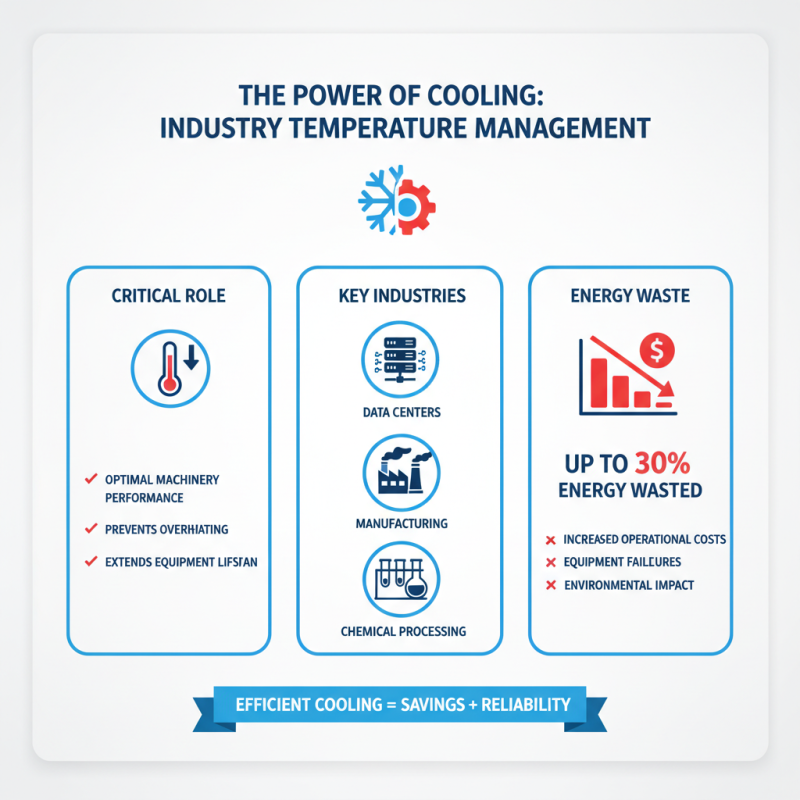
Cooling systems play a critical role in temperature management across various industries. Efficient cooling ensures optimal performance of machinery and prevents overheating. This is especially important in sectors like data centers, manufacturing, and chemical processing. According to industry reports, up to 30% of energy can be wasted by inadequate cooling solutions. This not only increases operational costs but can also lead to equipment failures.
One effective strategy in cooling system design is to use real-time temperature monitoring. This allows for immediate adjustments and optimizes energy use. Implementing variable-speed fans can also enhance cooling efficiency. They adjust based on the cooling needs, reducing energy consumption.
Tips: Regular maintenance can significantly improve the lifespan of cooling systems. Clean coils and check refrigerant levels often. Simple adjustments can yield substantial energy savings. Remember, what works today may not suit future needs. Constantly reassess your cooling strategy to ensure optimal performance.
Types of Cooling Systems: Overview and Functionality
Cooling systems play a vital role in temperature management. They are essential in both industrial and residential settings. Understanding different types helps us choose the right one for our needs.
Air conditioning units are widely used to cool interior spaces. They remove heat from the air, providing a comfortable environment.
Evaporative coolers, on the other hand, work by using water evaporation. They are useful in dry climates but less effective in humid conditions.
Refrigeration systems are crucial for preserving food and medicines. These systems operate by circulating refrigerants to absorb heat.
However, they can be energy-intensive. Passive cooling methods, like natural ventilation, rely on airflow and building orientation. They are eco-friendly but may not suffice in extreme heat.
It's essential to assess each system’s efficiency and suitability for specific environments.
Analyzing the Efficiency of Liquid Cooling Technologies
Liquid cooling technologies have gained traction in recent years. They are known for their efficiency in managing heat dissipation. Unlike traditional air cooling, liquid cooling uses fluids to transfer heat away from critical components. This method can provide significant thermal management benefits in high-performance systems.
One of the main advantages of liquid cooling is its effectiveness. It can cool components more uniformly. However, it also brings challenges. For instance, installation can be complex. Proper maintenance is essential to avoid leaks. Users may need to invest in specialized training to manage these systems effectively.
In some cases, liquid cooling solutions may not deliver expected results. Some users report inconsistent performance. This inconsistency can stem from improper setup. Temperature fluctuations could undermine the intended efficiency. Regular evaluation and adjustment can help mitigate these issues and enhance overall system performance.
Exploring Air-Based Cooling Systems for Enhanced Performance
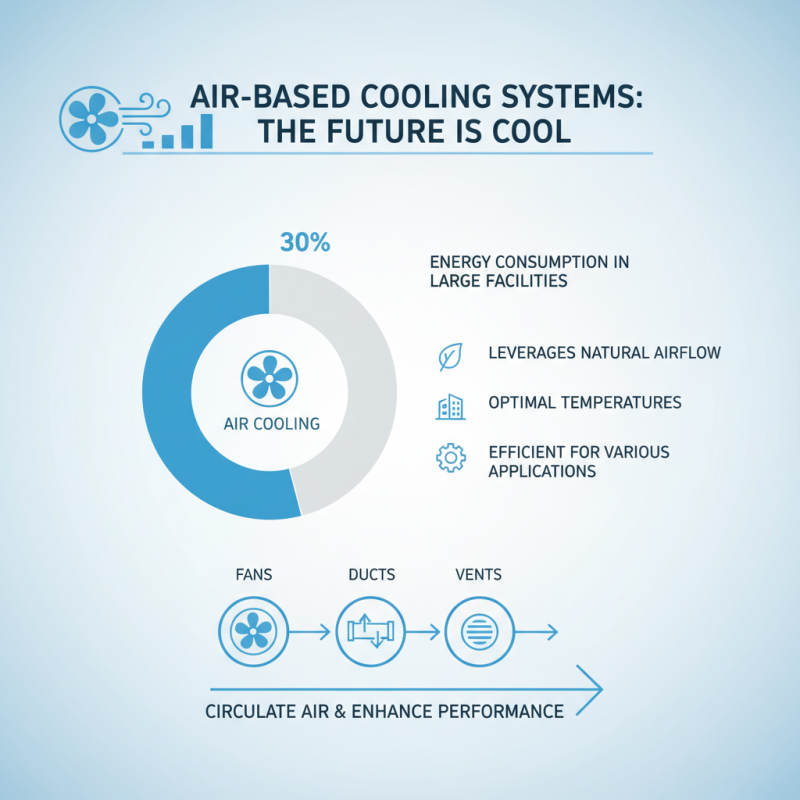
In the realm of cooling systems, air-based solutions are gaining traction for their effectiveness. Studies show that air cooling accounts for about 30% of energy consumption in large facilities. These systems leverage natural airflow to maintain optimal temperatures, proving efficient for various applications. They use fans, ducts, and vents to circulate air and enhance performance.
For maximum efficiency, proper system design is key. It involves selecting the right fan size and orientation. A well-placed duct can significantly reduce energy costs. Ensure there are no obstructed pathways for airflow. This small adjustment can lead to better temperature control.
Tip: Regular maintenance is crucial. Dust and debris can hinder performance, making your cooling system work harder. Schedule routine check-ups to keep everything running smoothly. This little effort can extend the system's lifespan.
Another consideration is the climate. Air cooling works well in dry regions but may struggle in humid areas. Adapting your system to local weather patterns can lead to noticeable improvements. Monitor humidity levels; a balanced environment enhances efficiency.
Future Innovations in Cooling Systems: Trends and Developments
Innovations in cooling systems are rapidly evolving. The trend toward energy efficiency is significant. Reports indicate that energy-efficient systems can reduce consumption by 30% or more. This reduction benefits both the environment and operational costs.
Smart technologies are emerging as key players. These systems utilize sensors for real-time monitoring. This allows for precise temperature control. Data from industry studies show that smart cooling can improve performance by 15-20%. However, many existing systems still rely on outdated technology, requiring an urgent need for upgrades.
Sustainability remains a central focus. Natural refrigerants like CO2 and ammonia are gaining traction. These substances have lower global warming potential. Yet, there are challenges in implementation, like potential safety concerns. The industry must continue to innovate while addressing these risks to fully realize the potential of modern cooling solutions.
Top 10 Effective Cooling Systems for Efficient Temperature Management