How to Estimate Heat Exchanger Cost for Global Buyers?
Estimating heat exchanger costs is crucial for global buyers. The heat exchanger market is projected to reach approximately $21 billion by 2025, reflecting a significant opportunity. The cost of heat exchangers plays a vital role in project budgeting. Knowing the basics can save you money and time.
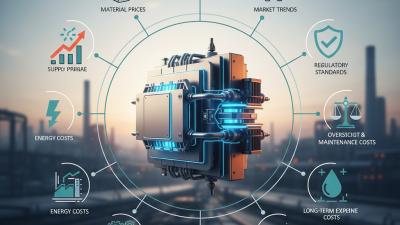
Several factors influence heat exchanger cost. Materials, design type, and capacity all play a role. According to industry reports, stainless steel heat exchangers are popular due to their durability, yet they come with a higher price tag. Factors such as manufacturing location also affect expenses, adding complexity to the estimate.
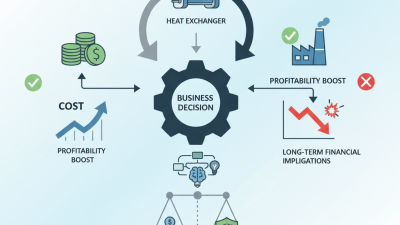
Buyers must consider not only the initial costs but also long-term savings. Energy efficiency can lead to reduced operational costs. However, the initial heat exchanger cost may deter some buyers. Understanding these dynamics is essential for making informed decisions that balance upfront investment and ongoing benefits.

Understanding the Types of Heat Exchangers Available in the Market
When looking to invest in heat exchangers, it's essential to understand the varieties available. The most common types include shell-and-tube, plate, and air-cooled heat exchangers.
Shell-and-tube heat exchangers are popular for their efficiency and versatility. They consist of numerous tubes, allowing for large surface areas.
Plate heat exchangers, on the other hand, are compact and efficient, ideal for spaces that require high thermal performance in smaller footprints. Air-cooled models utilize ambient air for cooling, making them suitable for outdoor applications.
Tips: Always consider the operating conditions before choosing a type. Pressure, temperature, and fluids involved matter greatly in your decision. If unsure, consult with industry experts for insights tailored to your needs.
Another critical factor to consider is the material selection. Stainless steel is prevalent due to its corrosion resistance. However, other materials like copper or aluminum may offer better performance in specific situations. Regular maintenance is crucial to ensure longevity and efficiency. Poor upkeep can lead to reduced performance and costly replacements.
Tips: Evaluate the life cycle cost beyond the initial purchase. Long-term efficiency can significantly offset the initial expense. Engage in discussions with suppliers to understand maintenance requirements fully.
Factors Influencing Heat Exchanger Costs: A Comprehensive Overview
Estimating heat exchanger costs can be challenging. Various factors play into the final price. Understanding these factors is crucial for global buyers.
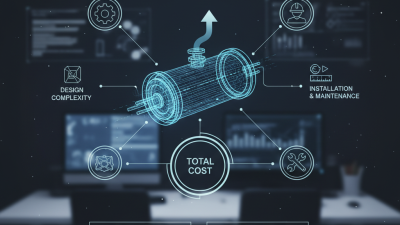
Material selection significantly impacts the cost. Stainless steel, for example, is common for heat exchangers. According to the "2023 Global Heat Exchanger Market Report," prices for stainless steel can fluctuate by up to 15% depending on global market conditions. The design complexity also matters. A basic shell-and-tube heat exchanger is less expensive than a custom design. However, custom designs may provide better efficiency and space optimization.
Installation and maintenance costs add another layer. Proper installation ensures longevity, while poor installation can lead to increased expenses. Many studies suggest that effective maintenance can reduce total costs by up to 20% over the equipment's lifespan. Ultimately, buyers must weigh these factors when estimating heat exchanger costs. Understanding the trade-offs is essential for making informed purchasing decisions.
Methods for Estimating Heat Exchanger Costs Globally
Estimating the cost of heat exchangers is crucial for global buyers. Different methods can help provide accurate figures based on various factors. One common approach is to use industry benchmarks. These are averages derived from past projects. They give a rough idea of potential costs.
Another method involves calculating material and labor costs. Prices for steel, copper, and other components vary by region. Labor costs can differ as well. Buyers must consider local market rates. This approach demands thorough research and understanding of market dynamics.
Using software tools can streamline the estimation process. These programs help input specific project details. They consider performance requirements and operational conditions. It’s essential to keep in mind that no estimate is perfect. Unexpected variables always arise. This necessitates continuous adjustments to cost projections. Real-world scenarios often diverge from initial calculations, emphasizing a need for flexibility.
Estimated Heat Exchanger Costs by Type (in USD)
Evaluating Supplier Quotes: Key Considerations for Buyers
When evaluating supplier quotes for heat exchangers, buyers should consider several critical factors. Price is essential, but it’s not the only metric. A lower price might signal lower quality or inadequate service. Understanding what is included in the quote matters. Are delivery, installation, and after-sales support covered? These details impact the overall value.
Buyers also need to assess the supplier’s reputation. Research their previous projects and client reviews. Reliable suppliers often have solid track records and industry experience. Look for certifications and compliance with standards. These qualifications can indicate the supplier’s commitment to quality.
Communication is another vital aspect. Clear, transparent dialogue leads to better outcomes. If a supplier cannot answer questions directly, it may raise red flags. Evaluate how they handle inquiries. Are they responsive and knowledgeable? Your interactions during the quote phase can reflect how they operate in a partnership. Reflecting on these factors helps ensure that buyers make informed, thoughtful decisions.
How to Estimate Heat Exchanger Cost for Global Buyers? - Evaluating Supplier Quotes: Key Considerations for Buyers
| Supplier Location |
Heat Exchanger Type |
Estimated Cost (USD) |
Lead Time (Weeks) |
Warranty (Years) |
| North America |
Shell and Tube |
15,000 |
12 |
2 |
| Europe |
Plate |
20,000 |
16 |
3 |
| Asia |
Air Cooled |
12,500 |
8 |
1.5 |
| South America |
Double Pipe |
10,000 |
10 |
2 |
| Middle East |
Spiral |
18,000 |
14 |
3 |
Cost Comparison: Customized vs. Standard Heat Exchanger Solutions
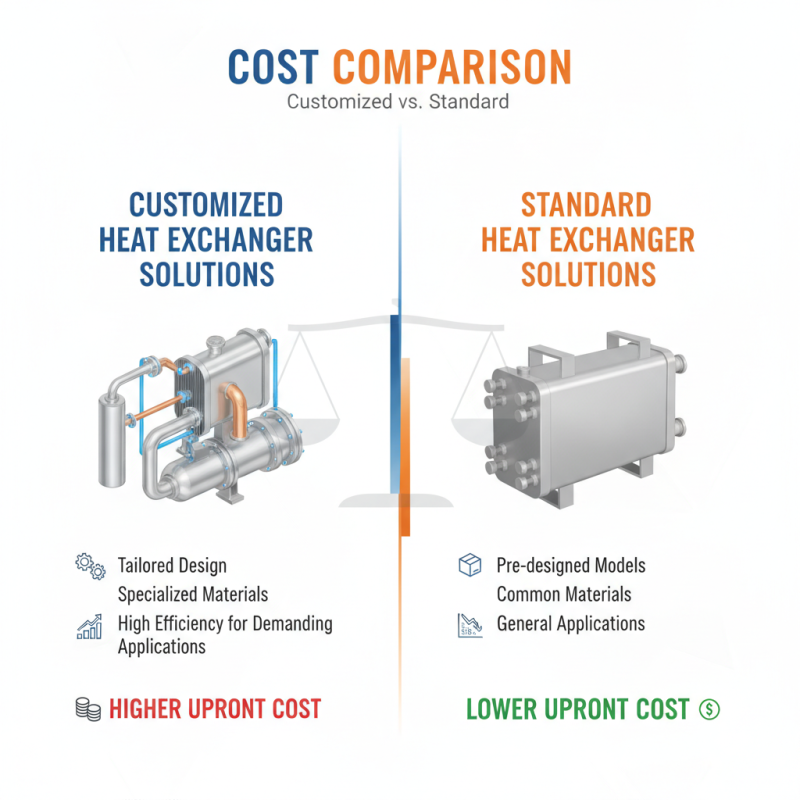
When estimating heat exchanger costs, a key consideration is the choice between customized and standard solutions. Customized heat exchangers are designed to meet specific application requirements. They may involve specialized materials, unique dimensions, and tailored performance features. This level of personalization often makes them more expensive, but their efficiency can justify the investment for demanding applications.
Standard heat exchangers, on the other hand, are mass-produced. They are readily available and typically come at a lower price point. However, these solutions may not fit every physical or hydraulic requirement. While they can serve a broad range of applications, performance issues may arise in specialized scenarios. Buyers need to weigh cost savings against potential inefficiencies.
Evaluation of cost must consider both short- and long-term implications. Custom solutions might offer better overall performance, potentially reducing maintenance and operational costs over time. It's crucial to reflect on the true value of each option. An informed decision requires balancing immediate budget constraints with the potential for future operational efficiency.