Top 10 Factors Influencing Heat Exchanger Cost Worldwide?
The cost of heat exchangers is influenced by multiple factors. Understanding these factors can make a significant difference in project budgets. According to Dr. Alice Walker, a leading expert in thermal systems, "The nuances of heat exchanger cost often escape even seasoned professionals." This highlights the complexity of pricing in this industry.
Factors influencing heat exchanger cost include material selection, design, and manufacturing processes. For instance, using stainless steel can drive costs up but improves durability. Also, the demand for energy efficiency in newer designs can alter prices. Market conditions, such as supply chain issues, play a critical role as well.
Many professionals overlook the importance of research and analysis in their cost estimates. This can lead to underestimating or overestimating expenses. Addressing these aspects thoughtfully enhances overall project viability. Knowing the key factors ensures better investment decisions and efficiencies in design. Understanding heat exchanger cost is not just about numbers, but also about expertise in navigation and market trends.

Factors Affecting Material Costs for Heat Exchangers
Material costs significantly influence heat exchanger pricing. Various factors contribute to these costs. The primary materials used include stainless steel, carbon steel, and titanium. Each material has different properties, which affects its price. For example, titanium is more expensive due to its durability and resistance to corrosion.
Market demand plays a crucial role in determining material costs. When demand surges, prices can spike unexpectedly. Additionally, geopolitical factors can disrupt supply chains, leading to increased costs. Fluctuations in raw material availability can create instability in pricing. Labor and manufacturing processes can also drive costs up. Skilled labor and advanced technologies are often necessary, which can be costly.
To complicate matters, the manufacturing location impacts overall expenses. Regions with strict regulations may have higher costs. Transportation logistics can add additional layers of expense. Companies need to carefully consider these factors when budgeting for heat exchangers. Understanding these complexities is essential for making informed decisions.
Impact of Manufacturing Processes on Heat Exchanger Prices
Manufacturing processes are crucial in determining the cost of heat exchangers. Various methods affect the quality and efficiency of these devices. For example, welding techniques can vary widely. Manual welding may save initial costs, but it can lead to weaker joints. Automated welding, on the other hand, improves precision but increases expenses.
Material choice also plays a significant role in pricing. High-grade alloys tend to offer enhanced durability. However, they often come with a higher initial cost. The methods used for forming and fabricating these materials can further influence prices. Additionally, the production volume can affect costs. Mass production typically drives prices down due to economies of scale. Conversely, custom or low-volume production can lead to higher costs.
Logistics can be an overlooked factor. Transportation and handling impacts the final price. Overseas manufacturing may reduce initial costs, but hidden expenses arise from extended shipping times and tariffs. Balancing these aspects while ensuring quality remains a challenge. Understanding these factors allows industry professionals to make informed decisions. It’s essential to assess not just the immediate costs, but also the long-term implications of manufacturing choices.
Role of Design Complexity in Heat Exchanger Cost Calculation
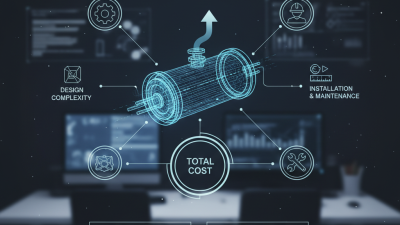
The complexity of heat exchanger design significantly affects its cost. Different designs, such as shell-and-tube or plate heat exchangers, have unique features and specifications. Each design has specific requirements for materials, fabrication, and installation. These factors directly influence the overall price.
Additionally, the level of customization plays a crucial role. Custom designs can lead to increased material costs and longer manufacturing times. Engineers must also consider thermal performance and pressure drop. Complicated designs can lead to challenges in maintenance. This adds to the total expense over the lifecycle of the heat exchanger.
Although advanced metrics can help in calculating costs, not all factors are quantifiable. Unexpected challenges can arise during installation. Limited knowledge in certain design parameters may result in oversights. Understanding the balance between complexity and cost is vital. It may reveal opportunities for savings in simpler designs. This reflection can guide better decision-making in future projects.
Top 10 Factors Influencing Heat Exchanger Cost Worldwide
| Factor |
Description |
Impact on Cost (%) |
| Material Type |
Different materials like copper or titanium impact cost significantly due to material prices. |
30% |
| Design Complexity |
Intricate designs often require specialized manufacturing, increasing costs. |
25% |
| Size and Capacity |
Larger heat exchangers generally cost more due to higher material and fabrication needs. |
20% |
| Manufacturing Process |
Traditional vs. advanced manufacturing techniques can alter overall cost. |
15% |
| Market Demand |
Higher demand increases prices due to supply chain pressures. |
10% |
| Regulatory Compliance |
Meeting environmental and safety standards can elevate costs. |
8% |
| Installation Location |
Costs can vary based on the complexity of installation sites. |
5% |
| Service and Maintenance |
Long-term maintenance needs can influence initial costs. |
3% |
| Technological Advancements |
Innovations may initially raise costs, but can lead to efficiency gains. |
2% |
| Supply Chain Factors |
Delays or shortages can drive up prices significantly. |
2% |
Influence of Market Demand and Supply on Pricing Trends
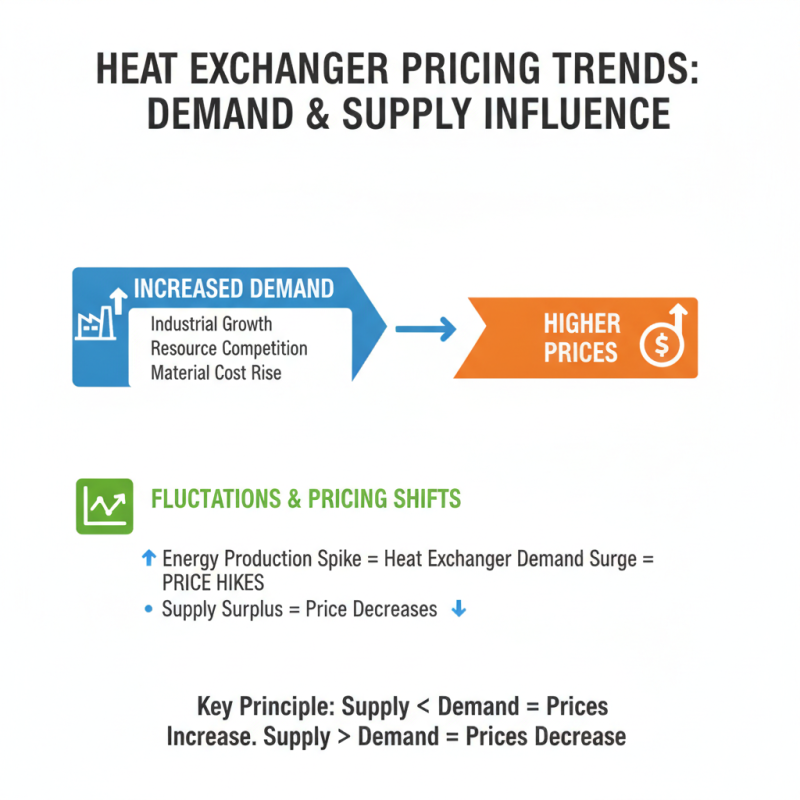
Market demand and supply play a critical role in determining heat exchanger prices around the world. When industries grow and demand increases, the competition for resources intensifies. This often leads to rising costs for materials and components used in heat exchangers. Fluctuations in demand can create shortages or surpluses that affect pricing trends. For instance, a sudden increase in energy production can spike the demand for heat exchangers, resulting in price hikes.
Conversely, during economic downturns, the demand may drop significantly. Companies may delay or reduce their purchasing. This situation can lead to lower prices as manufacturers attempt to clear out excess inventory. However, such a scenario raises concerns about the long-term sustainability of suppliers. If prices fall too low, it could jeopardize manufacturers' ability to maintain quality and innovation. The balance of demand and supply, therefore, not only influences current pricing but also shapes the future of the heat exchanger industry.
Geopolitical Issues and Their Effect on Global Heat Exchanger Costs
Geopolitical issues significantly influence global heat exchanger costs. Trade tensions can drive up prices. Tariffs on raw materials affect manufacturing expenses. For instance, an increase in steel tariffs can lead to higher costs for heat exchanger production. Additionally, uncertain political climates in key regions can hinder supply chains. This often leads to delays and inflated prices.
Regional conflicts may disrupt transportation routes. Shipping costs rise when routes are less secure. Moreover, sanctions on certain countries can cut off access to critical components. Companies must adapt to these disruptions, which can lead to increased expenditure. Some firms may consider alternative suppliers, but this can be a lengthy process.
The demand for energy also shapes heat exchanger costs globally. As nations strive for energy independence, investments surge in alternative energy sources. However, fluctuations in oil prices significantly affect project budgets. Understanding these dynamics is key for stakeholders. Strategies often require reevaluation in response to geopolitical shifts. Balancing cost and supply is an ongoing challenge in this field.