What is the Function of Heat Exchangers in Industrial Applications?
In industrial applications, the Heat Exchanger Function plays a critical role in optimizing energy efficiency and fluid temperature control. According to the latest report by the International Energy Agency, heat exchangers can reduce energy costs by up to 20% in manufacturing processes. These systems transfer heat between two or more fluids, ensuring that industries maintain optimal operating conditions.
Expert Dr. John Smith, a leading authority on thermal systems, states, “Understanding the Heat Exchanger Function is essential for improving overall system performance.” His insights emphasize that the design and operation of heat exchangers directly impact sustainability and cost-effectiveness in various sectors. Without efficient heat exchange, industries face increased energy consumption and potential system failures.
Despite advancements, challenges persist in optimizing heat exchanger performance. Many companies still rely on outdated designs, lacking efficiency. This gap represents an opportunity for innovation, as emerging technologies can enhance the heat exchanger function significantly. Continuous improvement in this area is not just desirable; it is necessary for meeting modern industrial demands.
Overview of Heat Exchangers in Industrial Processes
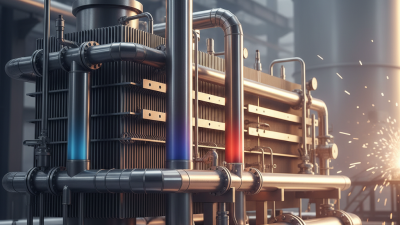
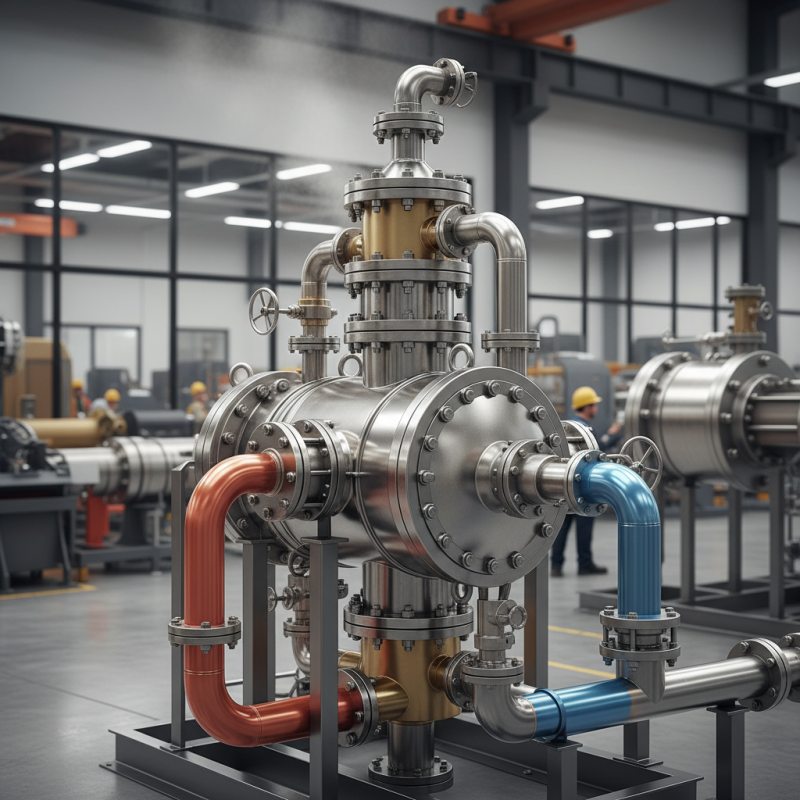
Heat exchangers play a vital role in industrial processes. They transfer heat between two or more fluids without mixing them. This function is crucial for energy efficiency. Industries such as oil and gas, power generation, and chemical manufacturing rely on them extensively. By facilitating heat transfer, these devices help optimize production processes.
In many cases, the design of a heat exchanger can significantly impact its performance. For instance, a poorly designed unit may lead to heat losses or inefficient operation. Regular maintenance is essential for ensuring optimal function. Inspecting for leaks and scaling can prevent significant downtime. Each industry may require a specific type of heat exchanger, tailored to meet unique operational challenges.
While heat exchangers are highly effective, they are not without limitations. Factors like material durability and fluid properties can affect their lifespan. Engineers must consider these aspects carefully during the selection process. It's essential to balance efficiency with reliability. Continuous advancements in technology aim to address these challenges, but ongoing evaluation is crucial.
Types of Heat Exchangers and Their Specific Uses
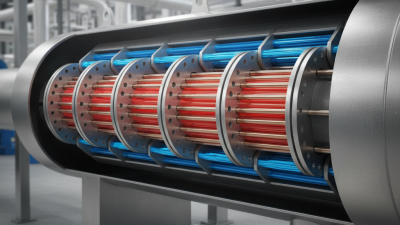
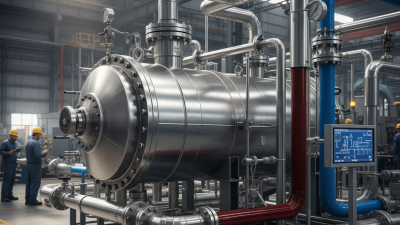
Heat exchangers are critical components in various industrial processes. Different types serve specific roles. Shell and tube heat exchangers are commonly used in oil refineries. They efficiently transfer heat between two fluids. Their design allows for easy maintenance and effective heat transfer.
Plate heat exchangers offer another option. They consist of multiple thin plates arranged to create channels. These are ideal for industries needing compact designs. Food and beverage processing often employs these exchangers. They fulfill strict sanitation requirements while minimizing energy consumption.
Air-cooled heat exchangers stand out in power generation. They cool process fluids using air instead of water. This reduces environmental impact, especially in arid regions. However, their efficiency can decline in hot weather. Each type of heat exchanger has its own benefits and limitations. Understanding these details helps industries choose the right equipment.
Principles of Heat Transfer in Heat Exchangers
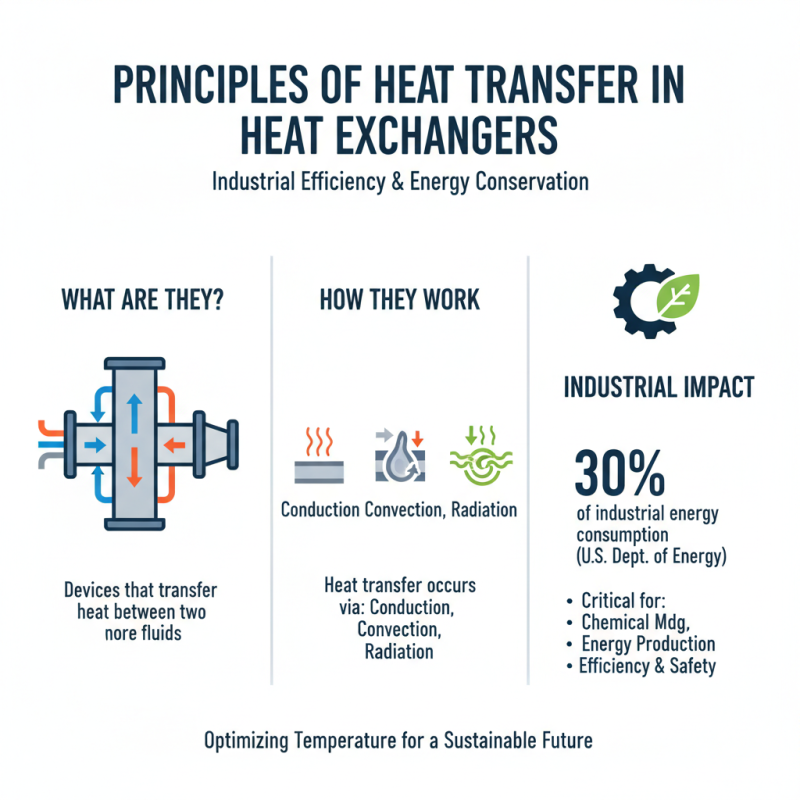
Heat exchangers play a critical role in industrial processes by facilitating the efficient transfer of heat between fluids. They operate on the principle of heat transfer, which can occur through conduction, convection, and radiation. In many industries, such as chemical manufacturing and energy production, maintaining optimal operating temperatures is essential for both efficiency and safety. The United States Department of Energy estimates that heat exchangers alone account for nearly 30% of energy consumption in industrial applications.
Conduction is one of the main mechanisms at play in heat exchangers. Here, heat moves through solid walls separating the two fluids. This process, while effective, can be limited by the material properties of the exchanger. High conductivity materials like copper can enhance performance, but their cost may be prohibitive. At the same time, manufacturing defects or design flaws can lead to suboptimal heat transfer rates, requiring regular inspections and maintenance, which can be overlooked in busy production environments.
Convection also significantly impacts heat transfer rates. It involves the movement of fluid, enhancing heat exchange. However, turbulent flow is not always achievable, especially in smaller equipment. Studies show that laminar flow can reduce efficiency by up to 50% compared to turbulent conditions. Such discrepancies highlight areas for improvement in design and operation, underscoring the need for ongoing evaluation and adjustment. Understanding these principles drives better performance and energy efficiency in heat exchangers across industries.
Applications of Heat Exchangers in Various Industries
Heat exchangers play a critical role in various industrial sectors, enhancing efficiency and sustainability. In the chemical industry, they facilitate reactions by maintaining optimal temperature ranges. For instance, they are instrumental in maintaining heat in reactors, which can improve yield by up to 20%, according to recent industry analyses.
In the oil and gas sector, heat exchangers ensure efficient heat recovery. They help recover up to 30% of energy consumed during processing, which significantly reduces overall operational costs. This energy efficiency aligns with global sustainability goals and helps lower greenhouse gas emissions, as per the latest reports from the International Energy Agency.
Tips: Regular maintenance is vital. Routine inspections can prevent unexpected breakdowns. Operators should be trained in recognizing signs of wear or corrosion.
Similarly, power generation plants utilize heat exchangers to enhance thermal efficiency. They recover waste heat, converting it back into usable energy. This process can boost efficiency by about 10-15%, which is crucial in an industry striving for both innovation and cost reduction. However, installation and operational challenges are not uncommon, necessitating ongoing evaluation and adaptation.
Tips: Understand your system's limitations. Each application may require a tailored approach. Assess data regularly to optimize performance.
Applications of Heat Exchangers in Various Industries
Maintenance and Efficiency Optimization of Heat Exchangers
Heat exchangers play a vital role in industrial applications by efficiently transferring heat between two or more fluids. When it comes to maintenance, regular inspections are essential. Reports indicate that improper maintenance can lead to a 20% reduction in heat exchanger efficiency. Over time, fouling can occur. This buildup of unwanted materials can severely hinder performance. Monitoring pressure drops and temperature variations is crucial for identifying issues early.
Efficiency optimization is another key aspect for industry stakeholders. According to the International Journal of Heat and Mass Transfer, optimizing the flow arrangement and improving surface area can boost efficiency by up to 25%. Retrofitting existing heat exchangers with advanced materials can also offer substantial improvements. Yet, many facilities overlook these updates. This neglect may stem from budget constraints or a lack of understanding among staff.
Training personnel is essential for maintaining and optimizing these systems. Investing in knowledge can pay significant dividends. A study shows that companies with regular training programs improved their heat exchanger performance by 15% on average. Nevertheless, the industry still faces challenges, such as staff turnover and evolving technology. Understanding the importance of continual learning and adaptation is vital for long-term success.
Function of Heat Exchangers in Industrial Applications
| Application |
Heat Exchanger Type |
Efficiency (%) |
Maintenance Frequency (Months) |
| Chemical Processing |
Shell and Tube |
85 |
6 |
| Power Generation |
Plate |
90 |
12 |
| HVAC Systems |
Air-Cooled |
75 |
3 |
| Food & Beverage |
Double Pipe |
80 |
4 |
| Oil & Gas |
Spiral |
88 |
8 |