What is the Function of Heat Exchangers in China Top Industries?
Heat exchangers play a vital role in various industries across China. Their function is crucial for improving energy efficiency and reducing operational costs. In sectors like manufacturing, oil refining, and power generation, heat exchangers ensure optimal heat transfer between fluids. This capability significantly enhances productivity and minimizes energy waste.
Understanding the heat exchanger function is essential for engineers and industry experts. These devices are not just components; they are integral to process efficiency. Their design can influence overall system performance and reliability. However, many overlook maintenance, which can lead to operational inefficiencies.
Industries must continually assess and optimize the use of heat exchangers. Reflecting on system performance could reveal potential areas for improvement. The balance between initial costs and long-term benefits should be a key consideration. In China, investing in advanced heat exchanger technology can drive sustainability and operational success.
The Role of Heat Exchangers in Power Generation Industries in China
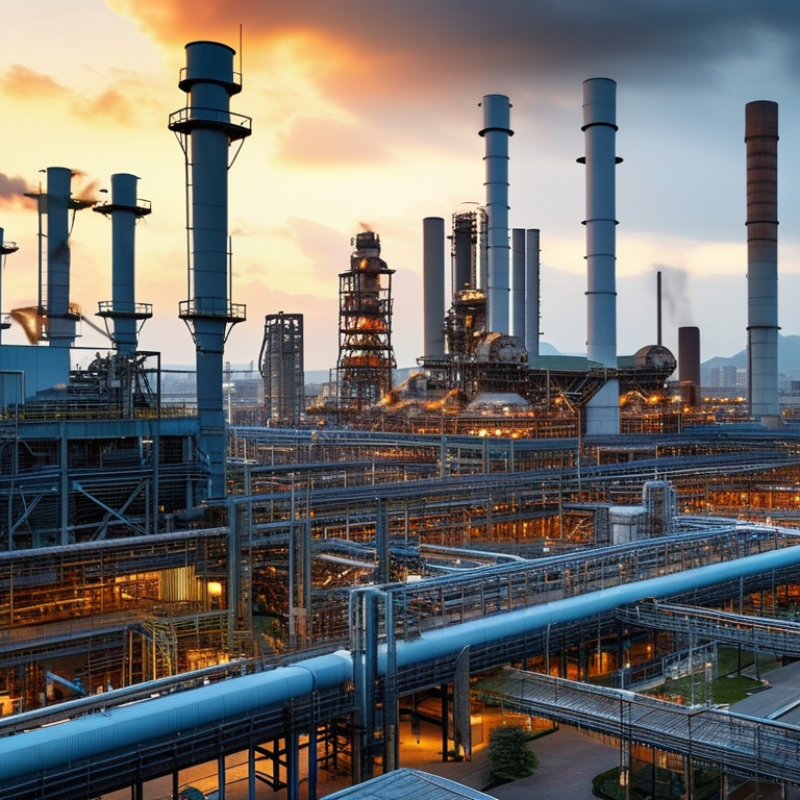
Heat exchangers play a crucial role in power generation industries in China. These devices transfer heat between two or more fluids. They enhance energy efficiency, reduce costs, and lower emissions in power plants. Effective heat exchangers can improve the overall performance of power generation systems.
In coal, gas, and renewable energy plants, heat exchangers serve various functions. They preserve thermal energy, convert it into usable power, and manage temperature levels. For instance, in coal-fired plants, they capture exhaust heat for steam generation. Yet, challenges remain. Some systems may suffer from fouling, which decreases efficiency. Regular maintenance is essential to keep them operating at optimal levels.
The role of heat exchangers extends beyond power generation. They foster sustainability by minimizing waste and optimizing resource use. As the industry evolves, innovations are necessary. Continuous research is crucial to improve design and function. In a rapidly changing energy landscape, heat exchangers will remain vital for cleaner power generation in China.
Heat Exchangers in the Petrochemical Sector: Processes and Benefits
Heat exchangers play a critical role in the petrochemical sector. They transfer heat between fluids to enhance energy efficiency. This process helps in the production of various chemicals. The efficiency of heat exchangers significantly impacts operational costs. When designed properly, they can improve temperature control and product quality.
In petrochemical facilities, heat exchangers enable optimal thermal management. This allows industries to recover heat for reuse, resulting in less energy consumption. By implementing these systems, companies can minimize greenhouse gas emissions. This contributes positively to environmental sustainability.
**Tips:** Regular maintenance is vital to avoid fouling in heat exchangers. Scheduled inspections can mitigate potential failures. Consider investing in advanced monitoring systems for better efficiency. Always evaluate the heat transfer capabilities of your devices to ensure they meet production needs.
Heat Exchangers Usage in China's Petrochemical Sector
Utilization of Heat Exchangers in HVAC Systems Across China's Industries
Heat exchangers play a crucial role in HVAC systems across various industries in China. These systems are designed to transfer heat between two or more fluids. A report from the China HVAC Industry Association indicates that over 50% of industries rely on heat exchangers to maintain optimal temperature conditions for operations. This significant adoption underscores the importance of effective thermal management in manufacturing processes.
In industrial facilities, heat exchangers contribute to energy efficiency. They recycle waste heat, substantially lowering energy costs. For instance, a study showed that integrating heat exchangers can reduce energy consumption by up to 30% in large manufacturing plants. Such efficiency improvements not only enhance productivity but also support environmental sustainability goals.
Tips: Regular maintenance of heat exchangers is vital. Neglecting this can lead to inefficiencies and higher operating costs. Ensure that systems are checked quarterly. Also, consider investing in advanced models that offer better performance. They may have higher upfront costs, but the long-term savings are often worth it.
Heat Exchanger Applications in Food and Beverage Manufacturing in China
Heat exchangers play a crucial role in food and beverage manufacturing in China. In 2022, the country’s food and beverage sector was valued at approximately $1.7 trillion. This massive market relies heavily on advanced technologies, including heat exchangers, to optimize production processes. These devices help control temperatures, maintaining quality and preserving flavors.
In dairy processing, heat exchangers ensure pasteurization and efficient cooling. For instance, a study noted that heat exchangers can boost energy efficiency by up to 30%. Additionally, in the beverage industry, they facilitate rapid heating and cooling, minimizing production time. This is essential as many companies aim to increase output without compromising quality.
However, the reliance on these systems isn't without challenges. Maintenance issues can arise, leading to production downtimes. Efficient operation also requires skilled personnel, which can be in short supply. The food industry must continually adapt to these challenges, investing in training and technology upgrades to fully leverage the capabilities of heat exchangers.
Advancements in Heat Exchanger Technology and Its Impact on Chinese Industries
Heat exchangers play a critical role in various industries in China, from manufacturing to energy production. As technology advances, these devices become more efficient, enabling lower energy consumption and improved productivity. Enhanced designs allow for better thermal performance, which can reduce operational costs significantly.
Innovation in heat exchanger technology includes the use of advanced materials. These materials can withstand higher pressures and temperatures, leading to safer operations. The results can be seen in industries like chemical processing and HVAC systems. These enhancements also reduce maintenance needs, providing manufacturers with more reliable operations.
Tips: When selecting a heat exchanger, consider the specific requirements of your process. Look for innovations that suit your operational environment. Always evaluate the long-term benefits versus initial costs. Regularly review and assess the performance of your heat exchangers to identify potential areas for improvement. Embracing new technology can often lead to unexpected results, but it is worth investigating.
Function of Heat Exchangers in China Top Industries
| Industry |
Heat Exchanger Type |
Key Function |
Advancement Impacts |
Efficiency Improvement (%) |
| Chemical |
Plate Heat Exchanger |
Heat recovery and temperature regulation |
Enhanced thermal performance and reduced carbon footprint |
25 |
| Power Generation |
Shell and Tube Heat Exchanger |
Cooling and condensing steam |
Improved operational reliability and reduced water usage |
15 |
| HVAC |
Air Cooled Heat Exchanger |
Heat rejection and ventilation |
Enhanced energy efficiency and lower operational costs |
20 |
| Food Processing |
Double Pipe Heat Exchanger |
Pasteurization and cooling of products |
Improved product safety and energy savings |
30 |
| Oil & Gas |
Fin Fan Heat Exchanger |
Heat recovery from gas streams |
Lower emissions and enhanced recovery |
22 |