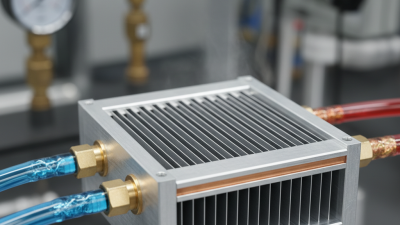
Top 10 Microchannel Heat Exchangers in China for Global Buyers?
The demand for Microchannel Heat Exchangers is rising globally. These devices are critical for energy efficiency and thermal management. Renowned expert Dr. Liu Jian, a leading figure in thermal engineering, states, "Microchannel technology is the future of heat exchange efficiency." His insight highlights the urgency in selecting the best products available.
In China, several manufacturers stand out. They focus on innovation and quality, catering to global buyers. Each Microchannel Heat Exchanger offers unique features. Some prioritize lightweight design, while others excel in compact size. Yet, finding reliable suppliers can be challenging. Variability in product quality sometimes leads to mixed results.
Navigating this industry requires diligence. Buyers must weigh specifications and manufacturer reputations carefully. Understanding the technology behind Microchannel Heat Exchangers is essential for making informed choices. As the market grows, so does the need for trusted sources. Selecting the right partner can mean the difference between success and setbacks in applications.
Top 10 Microchannel Heat Exchangers in China for Global Buyers
Microchannel heat exchangers play a vital role in various industries. They improve energy efficiency by enhancing heat transfer. This technology reduces the size and weight of exchangers, making them a preferred choice for modern applications.
In China, several manufacturers specialize in microchannel heat exchangers. They cater to global buyers by focusing on quality and innovation. Clients often seek reliable partners to ensure consistency in performance.
However, challenges arise, such as varying quality standards and language barriers. These factors can impact communication and product trustworthiness.
While many products exhibit advanced features, not all meet international expectations.
Some manufacturers may lack the necessary certifications. It is crucial for buyers to conduct thorough research. Engaging with experienced engineers can provide deeper insights. This approach might lead to better decisions and a smoother import process.
Overview of Microchannel Heat Exchangers: Definition and Importance
Microchannel heat exchangers are crucial devices in modern thermal management systems. They offer superior heat transfer efficiency compared to traditional designs. This efficiency stems from their unique structure, which utilizes small channels to increase the surface area for heat exchange. Such design significantly reduces the volume and weight of the system.
In various applications, these heat exchangers show a remarkable ability to handle high-pressure and high-temperature conditions. They are commonly used in automotive, HVAC, and refrigeration sectors. The importance of microchannel technology lies not only in its efficiency but also in its potential for energy savings and reduced environmental impact. However, challenges remain, such as manufacturing complexities and the need for specialized materials.
Despite their advantages, some might argue that the initial costs can be a barrier. Buyers must weigh the long-term benefits against upfront investment. Further, the knowledge gap regarding microchannel technology may hinder adoption in some industries. Ensuring thorough understanding and consideration of these factors is essential for potential users.
Key Advantages of Microchannel Heat Exchangers in Market Applications
Microchannel heat exchangers have gained immense popularity in various market applications. Their compact design allows for a smaller footprint, making them ideal for space-constrained environments. This feature is particularly valuable in automotive and HVAC systems, where efficiency is paramount. With a higher heat transfer coefficient, these exchangers utilize less refrigerant and can operate effectively at lower pressure drops. This efficiency not only saves energy but also reduces operational costs.
Another key advantage lies in their manufacturing process. Microchannel heat exchangers are often produced using advanced technologies that ensure precise construction. This precision results in enhanced performance and durability, which contributes to longer life cycles. The reduced weight of these devices also simplifies transportation and installation. However, as with all technologies, there are challenges to consider. The sensitivity of microchannel designs to structural issues can lead to failures if not adequately addressed. Fine-tuning their design for specific applications remains an area for improvement.
The environmental impact is another important consideration. These heat exchangers support sustainability by improving energy efficiency in cooling systems. They help reduce greenhouse gas emissions by using less energy. As industries increasingly focus on eco-friendly solutions, microchannel heat exchangers will likely play a vital role. However, continuous innovation and adaptation to market needs are essential. Addressing potential flaws in the manufacturing process ensures reliability and maintains their growing reputation within the industry.
Industry Standards and Regulatory Compliance for Microchannel Heat Exchangers
Microchannel heat exchangers are essential for efficient thermal management in various industries. Their design significantly impacts performance. Regulations ensure these systems meet safety and efficiency standards. In China, microchannel heat exchangers must comply with GB/T 18430.1-2017. This standard outlines critical heat transfer performance metrics. Following these regulations assures buyers of product reliability.
The industry reports a rapid growth in microchannel applications. A recent study projects a 12% annual growth rate in this segment. The increasing demand for energy-efficient systems drives innovation and compliance. Manufacturers focus on meeting international standards such as ASME and CE certifications. These certifications can enhance market access and consumer trust.
Tip: When considering microchannel heat exchangers, evaluate compliance with both local and international standards. This ensures quality and performance. Also, verify the supplier's certification documents before making a decision. Quality assurance is paramount in this competitive market.
Another important aspect is regular updates on regulatory changes. The industry landscape evolves, potentially affecting compliance requirements. Keeping track of updates can help avoid pitfalls. Engaging with industry experts can provide insights into best practices.
Comparative Analysis of Leading Microchannel Heat Exchanger Manufacturers in China
Microchannel heat exchangers have gained significant traction in various industries due to their compact design and high efficiency. A recent report from the China Heat Exchanger Association highlights that microchannel technology can achieve up to 30% higher thermal efficiency compared to traditional heat exchangers. This improvement is crucial for industries looking to optimize energy usage and reduce emissions. However, despite these benefits, many manufacturers still grapple with issues related to durability and cost-effectiveness.
In China, the microchannel heat exchanger market has seen robust growth. Data from market research indicate a projected annual growth rate of around 12% from 2023 to 2028. This growth is fueled by increasing demand in HVAC, automotive, and refrigeration sectors. While many manufacturers are rising to meet this demand, concerns about quality consistency persist. Some companies have struggled with production processes, leading to variability in product performance. As global buyers evaluate options, these factors become vital in decision-making.
It's essential for manufacturers to invest in R&D. Innovations can enhance material quality and production standards. Several industry reports suggest that companies focusing on these areas will likely dominate the market. However, the challenge remains: ensuring that advancements do not compromise affordability. Balancing cost with performance is a continuous struggle that requires careful consideration and strategic planning.
Conclusion
Microchannel Heat Exchangers have gained significant traction in various industrial applications due to their compact design and enhanced efficiency. This article explores the top ten microchannel heat exchangers available in China, emphasizing their importance in modern thermal management systems. The key advantages of these exchangers include superior heat transfer performance, reduced weight, and lower refrigerant charge, making them ideal for use in HVAC systems, automotive applications, and refrigeration.
Additionally, the article examines the regulatory landscape and industry standards that govern the manufacturing of microchannel heat exchangers, ensuring compliance with safety and environmental regulations. A comparative analysis of leading manufacturers highlights their innovations and contributions to the technology, while also identifying future trends that promise to further enhance the performance and application of Microchannel Heat Exchangers in the global market. This comprehensive overview serves to equip global buyers with essential insights into the microchannel heat exchanger market in China.