Leave Your Message

Why Does a Torque Converter Need an Oil Cooler?

A torque converter multiplies engine torque through moving transmission fluid, but that process creates heat—especially during towing, repeated acceleration, or slow traffic. That heat does not stay inside the converter. It circulates through the automatic transmission fluid, affecting seals, friction materials, and shifting behavior. An Oil Cooler For Torque Converter helps transfer excess heat to the surrounding air or coolant before temperatures exceed the vehicle maker’s operating limits. The detail matters: cooler size, routing, airflow, and fluid condition all affect performance.

SAE International’s technical literature on automatic-transmission thermal management treats heat control as an engineering requirement, not an optional accessory. However, no source articles or report were supplied here, so I cannot responsibly attach a precise industry statistic or invent a quotation from a named expert. That would weaken the reliability this topic needs. A useful expert perspective is still clear: converter heat must be managed as part of the transmission system, not considered in isolation. Verify any named quotation and temperature figures against the original publication and the vehicle’s service data.

The practical signs can be small: fluid that darkens, a hot-oil smell after towing, or shifting that changes under load. These clues do not prove the cooler is faulty. They do deserve inspection. A cooler cannot correct every cause of overheating, and more cooling is not automatically better. Correct diagnosis starts with the manufacturer’s specifications, measured temperatures, and the actual driving conditions.
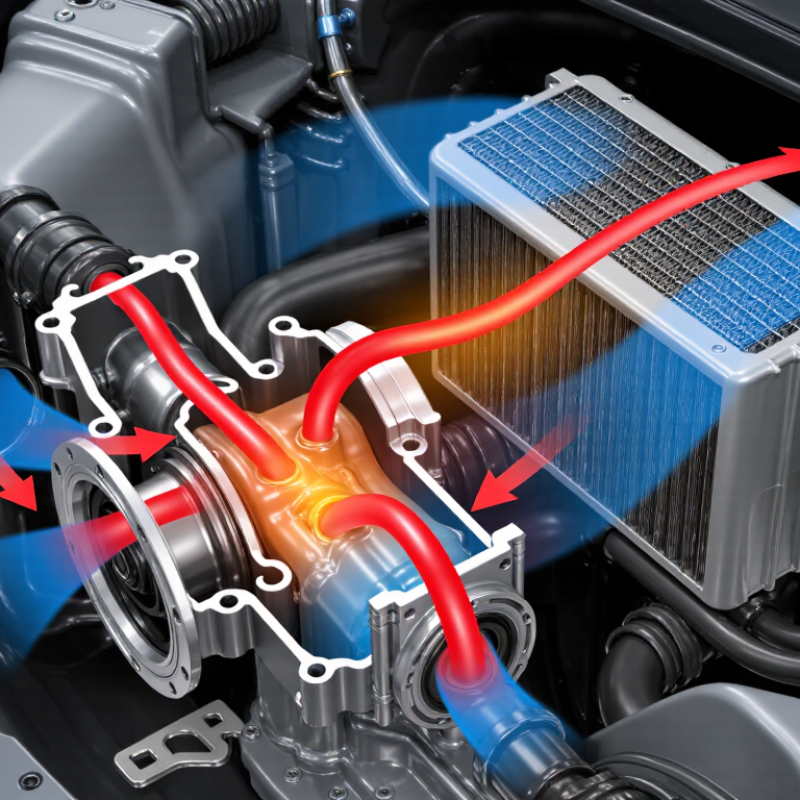
Why Does a Torque Converter Need an Oil Cooler?

How a Torque Converter Generates Heat

Why Does a Torque Converter Need an Oil Cooler?

How a Torque Converter Generates Heat

Inside a torque converter, engine-driven impeller blades push transmission fluid toward the turbine. The moving fluid turns the turbine, which sends power toward the transmission. When the vehicle accelerates from a stop, the impeller often spins faster than the turbine. That difference matters. Fluid swirls and shears as the converter transfers power, turning some energy into heat. The stator redirects returning fluid, but it cannot eliminate all energy loss. Prolonged idling in gear, creeping traffic, towing, or repeated hard acceleration can increase this heat.

Tips: Avoid holding the vehicle against the brakes while applying throttle. If the transmission temperature rises, reduce load and follow the vehicle’s service guidance.

The fluid carries heat away from the converter and through the transmission system. An oil cooler helps release that heat before excessive temperature degrades the fluid or stresses seals and internal parts. A little slip is normal, especially at low speeds. The difficult part is judging when normal heat becomes too much; driving conditions and cooling-system condition both affect that threshold. A cooler supports temperature control, but it cannot compensate for low fluid, restricted flow, or a mechanical fault.
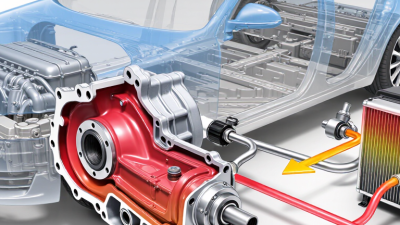
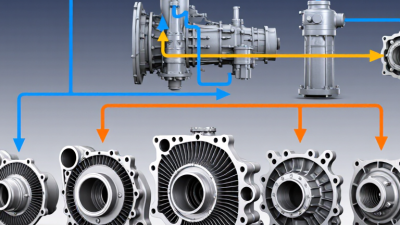
How the Oil Cooler Removes Heat from Transmission Fluid

A torque converter transfers engine power through transmission fluid. During acceleration, its impeller and turbine can rotate at different speeds. That slip turns some engine energy into heat. The fluid carries that heat away from the converter, but it needs a route out.

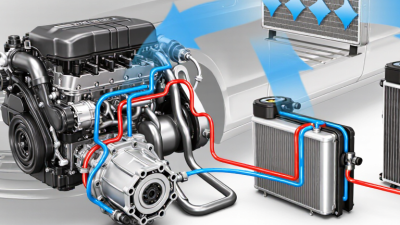
An oil cooler provides that route. Hot fluid flows through narrow passages in a heat exchanger, while cooler air or engine coolant absorbs heat across the metal walls. The cooled fluid then returns to the transmission and converter. It is a simple exchange, but flow matters: a restricted cooler or damaged line can reduce heat removal. Not magic.

The Automatic Transmission Rebuilders Association’s temperature-life guidance estimates fluid life at roughly 100,000 miles at 175°F, falling to about 50,000 miles at 195°F and 25,000 miles at 215°F. These are estimates, not guarantees; load, fluid condition, and transmission design change the outcome. Still, the trend is useful. A cooler helps control temperature, though it cannot repair worn parts or poor circulation. I would treat one temperature reading cautiously. A brief climb under heavy towing is not the same as sustained heat on every drive.

Why Does a Torque Converter Need an Oil Cooler? - How the Oil Cooler Removes Heat from Transmission Fluid
Operating condition How heat is produced What happens to the transmission fluid How the oil cooler helps
Torque converter slip The impeller and turbine rotate at different speeds, so some engine power is converted into heat in the fluid. Fluid leaving the converter carries heat into the transmission’s circulation system. Fluid is routed through a heat exchanger, where heat passes to cooler air or engine coolant.
Vehicle launch or low-speed driving Greater speed difference across the converter during acceleration increases fluid shear and heat generation. Repeated launches or slow, demanding driving can raise fluid temperature over time. Continuous fluid circulation lets the cooler remove heat between and during high-load events.
Heavy load, towing, or climbing The transmission and converter may work harder for longer, increasing the heat transferred to the fluid. Fluid temperature can rise faster than it does during light-load cruising. The cooler releases heat to help keep fluid temperature within the vehicle maker’s specified operating range.
Fluid passes through the cooler No new heat source is required for cooling; heat moves from the warmer fluid to a cooler surrounding medium. The fluid returns to the transmission at a lower temperature when the cooler can reject heat effectively. Air-to-fluid coolers use airflow; fluid-to-coolant exchangers transfer heat to engine coolant.
Cooling airflow or coolant flow is restricted Heat continues to enter the fluid, but the heat exchanger cannot release it as effectively. Fluid may remain hotter, particularly under sustained load. Keeping cooler passages, airflow paths, and related lines unobstructed supports effective heat transfer.
Fluid temperature is persistently excessive Heat input repeatedly exceeds the system’s ability to carry heat away. High temperatures can accelerate fluid oxidation and contribute to wear; service limits vary by transmission. A functioning cooler helps control temperature, but it does not replace correct fluid, maintenance, or diagnosis.

Note: Actual fluid temperatures and cooling performance depend on vehicle design, ambient conditions, load, fluid type, and driving conditions. Refer to the vehicle manufacturer’s specifications for temperature limits and service guidance.

How Fluid Circulates Between the Converter and Cooler

A torque converter does not simply trap hot oil. Its impeller, driven by the engine, throws automatic transmission fluid toward the turbine, transferring torque. The stator redirects returning fluid to help the impeller. Some energy still becomes heat, especially during low-speed acceleration or heavy loading. That heat travels with the fluid.

Here is the circuit. Fluid leaves the converter, passes through a cooler—often inside the radiator or mounted separately—and returns to the transmission’s hydraulic and lubrication passages. The exact routing varies by design, so a universal flow diagram can mislead. ATRA technical service guidance commonly treats roughly 175–200°F (79–93°C) as a practical operating range; persistent temperatures above it deserve investigation, not guesswork. A cooler helps reject heat before the fluid returns. It cannot fix restricted lines, low fluid, or a faulty bypass valve. Feel the metal cooler lines carefully; one hot line and one cooler line may indicate heat transfer, but temperature alone does not prove healthy circulation. That detail is easy to overlook.

What Can Happen When the Cooler Cannot Control Heat

A torque converter generates heat whenever its impeller and turbine spin at different speeds. That slip is normal during launch, climbing, or towing. The cooler must remove the heat before fluid performance and clutch operation begin to suffer. If airflow is blocked or cooler flow is restricted, temperature can rise quietly. No warning light is guaranteed.

ATRA’s commonly cited transmission-fluid temperature-life chart estimates about 100,000 miles of fluid life at 175°F, falling to roughly 50,000 miles at 195°F and 25,000 at 215°F. These figures are service estimates, not a prediction for every vehicle. Still, they show why sustained heat matters.

Oxidized fluid may darken, smell burnt, and lose friction control. Converter-clutch shudder or delayed engagement can follow. Heat can also harden seals over time, increasing leak risk.

After repeated towing or stop-and-go driving, check cooler lines, airflow, and fluid condition. Those checks are easy to overlook.

Factors That Affect Torque Converter Cooler Performance

A torque converter cooler can only remove heat when fluid moves through it at the right rate. Restricted lines, a clogged cooler, or a sticking bypass valve can reduce flow. Even a thin layer of internal debris matters. Small details matter.

Cooling also depends on how heat leaves the cooler. A radiator-mounted unit needs airflow, while an auxiliary cooler needs clear space around its fins. Mud, bent fins, or a nearby hot exhaust can weaken heat transfer. In slow traffic, airflow may drop just when repeated acceleration adds heat. Heavy towing and steep climbs raise the load further.

Fluid condition and installation affect performance, too. Old or contaminated fluid may carry heat less effectively, and kinked lines can limit circulation. Cooler size alone is not a reliable measure of capacity. It is easy to blame the cooler when the real restriction sits elsewhere; that assumption deserves a second look. Check fluid temperature, line routing, and cooler condition before replacing parts. Compare readings under similar driving conditions, and follow the vehicle’s service information when testing flow. A temperature reading taken at one point may not reveal the whole picture.

Why Does a Torque Converter Need an Oil Cooler?

A torque converter generates heat as transmission fluid circulates, especially during prolonged slip, heavy load, or low-speed operation. A cooler helps remove this heat and protect the fluid and transmission. Oil flow, the temperature drop across the cooler, and airflow all affect cooling performance.

How to read the chart: Higher oil flow and a larger temperature drop across the cooler increase heat rejection. Values are calculated examples, not vehicle test results, using an assumed fluid density of 0.85 kg/L and specific heat capacity of 2.0 kJ/kg·°C. The calculation is heat rejection = mass flow × specific heat capacity × temperature drop. Adequate airflow helps the cooler maintain that temperature drop.