What is the Average Heat Exchanger Cost for Global Buyers?
Understanding the average heat exchanger cost is essential for global buyers. Heat exchangers play a crucial role in various industries, including HVAC, power generation, and chemical processing. Their prices can vary significantly based on design, materials, and applications.
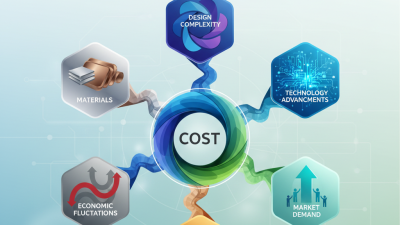
Many buyers grapple with estimating these costs accurately. Factors like size, type, and manufacturing technology can drastically influence pricing. Additionally, market fluctuations can cause heat exchanger costs to rise or fall unexpectedly. This unpredictability creates challenges for procurement strategies.
Buyers need reliable data to make informed decisions. Engaging with reputable suppliers and industry experts can provide insight into current trends and pricing structures. It is important to weigh the costs against potential efficiency gains. As with any investment, understanding heat exchanger costs is a step toward optimizing operational performance.
Average Heat Exchanger Cost Overview for Global Buyers
Heat exchangers play a vital role in various industries. Understanding their costs is crucial for global buyers. The price of heat exchangers can vary widely. Factors such as type, materials, and application significantly influence pricing. A basic shell and tube heat exchanger can range from $3,000 to $10,000. In contrast, more complex models or custom designs may exceed $20,000.
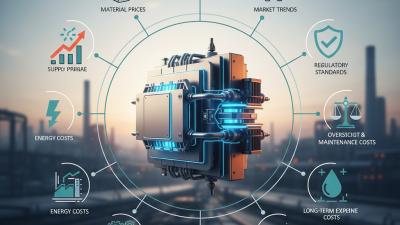
Buyers should consider additional costs beyond the initial purchase price. Installation and maintenance are essential components of the overall budget. Hiring skilled labor for installation can lead to additional expenses. Moreover, some heat exchangers require special materials to withstand harsh conditions, which can further increase the total cost. Understanding these variables helps in making informed decisions.
It's important to research suppliers and compare offerings. Prices can vary regionally and across manufacturers. However, be wary of extremely low-cost options, as these may compromise quality. Reliability and performance are paramount. Make sure to assess a supplier’s reputation before making a purchase. This will ensure better long-term value and performance.
Average Heat Exchanger Cost Overview for Global Buyers
Factors Influencing Heat Exchanger Pricing in Different Regions
The cost of heat exchangers varies significantly across regions. Local regulations, labor costs, and material availability greatly influence pricing. For example, in Europe, strict environmental regulations can increase production costs. This leads to higher prices for end-users. In contrast, countries with less regulatory pressure may offer more budget-friendly options.
Additionally, market demand plays a crucial role. Regions experiencing industrial growth often see rising prices due to increased competition for resources. In developing areas, lower demand can result in surprisingly affordable heat exchangers. However, buyers should be cautious. Low prices may reflect inferior quality or durability issues.
Cultural factors also affect pricing strategies. In some regions, buyers prioritize upfront costs over long-term savings. This can lead to a preference for cheaper, less efficient models. Conversely, markets that value efficiency may invest more initially. Understanding these dynamics is key for global buyers seeking the best value for their investments.
What is the Average Heat Exchanger Cost for Global Buyers? - Factors Influencing Heat Exchanger Pricing in Different Regions
| Region |
Average Cost (USD) |
Key Influencing Factors |
| North America |
$4,200 |
Material quality, regulatory standards, labor costs |
| Europe |
$5,000 |
Technological advancements, energy efficiency regulations |
| Asia |
$3,500 |
Labor availability, material sourcing costs |
| Middle East |
$4,800 |
Market volatility, material costs, supply chain efficiency |
| South America |
$3,800 |
Import taxes, local manufacturing capabilities |
Types of Heat Exchangers and Their Cost Implications
Heat exchangers are vital in numerous industries. The type of heat exchanger chosen significantly impacts costs.
Shell-and-tube heat exchangers are common. They usually cost between
$30,000 and $100,000. Their complexity and customization level influence these figures.
Plate heat exchangers are another option. They tend to be more compact. Prices generally range from
$5,000 to $50,000. Their design allows for easy maintenance, which can save money in the long run. However,
depending on the application, they may not always be the most efficient choice.
Air-cooled heat exchangers can vary widely in price. A typical range is
$10,000 to $150,000. Factors such as size, material, and cooling requirements play a large role in pricing.
Buyers should carefully assess their specific needs to avoid potential over or under-spending. They might find that a
less expensive option could suffice, or that investing more could yield better efficiency.
Comparative Analysis of Cost Across Major Markets Worldwide
Heat exchangers are crucial in various industries, impacting energy efficiency and operational costs. When comparing costs globally, significant variations emerge. For instance, the price of heat exchangers can depend on factors such as material, design, and local manufacturing capabilities. In North America, costs may range from $2,000 to $20,000, dictated by regulations and technology trends.
One notable observation is the market fluctuations driven by energy demands. In Europe, sustainability initiatives influence pricing. Buyers may pay more for eco-friendly options. In Asia, competitive manufacturing often leads to lower prices, yet quality concerns may arise. The balance between cost and quality remains a challenge for many buyers.
Additionally, geographically varied labor costs significantly affect pricing. Developed regions often face higher labor expenses, raising overall costs. Meanwhile, emerging markets might offer lower prices but could involve risks related to quality and reliability. Buyers must weigh these factors carefully when making procurement decisions. Each market has its nuances, highlighting the importance of thorough research and regional expertise.
Tips for Buyers to Optimize Heat Exchanger Cost Efficiency
When purchasing a heat exchanger, buyers must consider several factors to maximize cost efficiency. The first is the design type. Different designs serve unique applications. Buyers need to analyze the specific requirements of their process. A well-matched design can prevent overspending.
Material selection plays a crucial role in cost management. For example, using stainless steel may incur higher initial costs but can enhance durability. This durability often leads to lower maintenance expenditures in the long run. Additionally, buyers should evaluate the operating conditions. High temperatures and pressures can affect the life span of a heat exchanger.
Buyers often overlook installation costs. Proper installation ensures optimal performance and longevity. If installation is rushed or poorly executed, it can lead to expensive repairs or replacements. Finally, consider potential energy savings. An efficient heat exchanger can dramatically reduce energy consumption. Long-term savings can offset the initial investment, making it a wise choice.