China Best Heat Exchanger Manufacturers for Global Buyers
Heat exchangers support essential work across power generation, food processing, chemicals, HVAC, and manufacturing. Their performance affects energy use, product quality, and plant reliability. The International Energy Agency’s Energy Efficiency 2023 report estimates that industry accounts for roughly 37% of global energy consumption. That figure makes efficient heat recovery more than a technical detail. It is a practical purchasing concern.
China has a broad supplier base, from makers of gasketed plate units to producers of shell-and-tube equipment. Yet a factory’s size or a low quotation cannot prove suitability. Buyers should examine design calculations, material traceability, pressure-test records, corrosion resistance, and after-sales support. Ask for drawings and references from applications similar to yours. Check them carefully. A unit designed for clean water may perform poorly with viscous fluids or frequent temperature swings.
This guide considers manufacturers through the details that matter after installation: thermal performance, build quality, customization, documentation, delivery, and service access. IEA’s The Future of Heat Pumps report also highlights the growing role of efficient heat-pump systems in reducing emissions; heat exchangers are among the components that influence system performance. Still, no supplier is perfect. Public product claims can be difficult to compare, and published data may not reflect your operating conditions. Treat rankings as a shortlist, not a guarantee, and request evidence before committing to a purchase.
Understanding Heat Exchangers and Their Industrial Applications
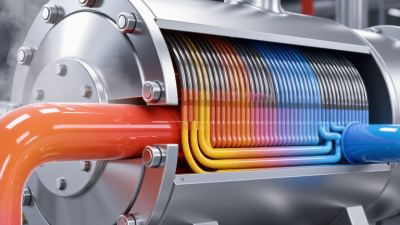
Heat exchangers transfer heat between fluids without mixing them. In shell-and-tube designs, hot process fluid travels through metal tubes while cooling water flows around them. Plate units use thin, corrugated sheets to create compact channels. These systems control temperatures, protect equipment, and recover usable heat. They serve refineries, food-processing plants, chemical facilities, power stations, and building HVAC systems.
The International Energy Agency’s Tracking Industry 2023 reports that industry used about 37% of global final energy in 2022. That scale makes heat recovery valuable, especially where hot exhaust or wastewater can preheat incoming fluids. Yet efficiency depends on real operating conditions. A poorly sized exchanger may increase pressure drop, cleaning needs, and downtime. Fouling matters. A thin deposit can reduce heat transfer, even when the equipment appears sound.
Tips: Check flow rates, temperatures, and fluid properties before selecting a unit. Inspect for scale or leaks, and compare performance against baseline readings. Small details count: gasket condition, water quality, and cleaning access can shape long-term reliability.
Heat Exchanger Materials: Thermal Conductivity at Approximately 20°C
Thermal conductivity describes how readily heat passes through a material. Copper and aluminum conduct heat well, while stainless steel offers lower conductivity but is often selected for corrosion resistance and hygiene requirements. Actual heat exchanger performance also depends on design, wall thickness, fluid properties, and operating conditions.
China’s Heat Exchanger Manufacturing Landscape
China’s heat-exchanger manufacturing landscape spans large industrial plants and specialist workshops. Production ranges from shell-and-tube units for process industries to compact plate designs for HVAC and refrigeration. Buyers can compare materials, weld quality, pressure ratings, and test records—not just quoted capacity. Small details matter. A clean tube sheet and readable inspection logs can reveal more than a polished catalogue.
Demand is supported by energy efficiency upgrades and industrial growth. Fortune Business Insights estimated the global heat exchanger market at USD 17.21 billion in 2023, projecting USD 29.37 billion by 2032. This is a global estimate, not a measure of China’s factory output. Still, it signals a broad market for equipment that transfers heat while limiting energy waste. China’s supplier base benefits from established metalworking and component supply chains, but capabilities vary considerably between facilities.
For global buyers, site audits and document checks help separate repeatable production from optimistic claims. Ask how each unit is pressure-tested, how materials are traceable, and whether performance data reflects actual operating conditions. Certificates are useful, but not sufficient. A test result may not match a buyer’s fluid, fouling level, or temperature cycle. That gap deserves attention. Manufacturers also face pressure to balance fast delivery with engineering review; haste can leave assumptions unexamined.
Leading Chinese Manufacturers and Their Product Specialties
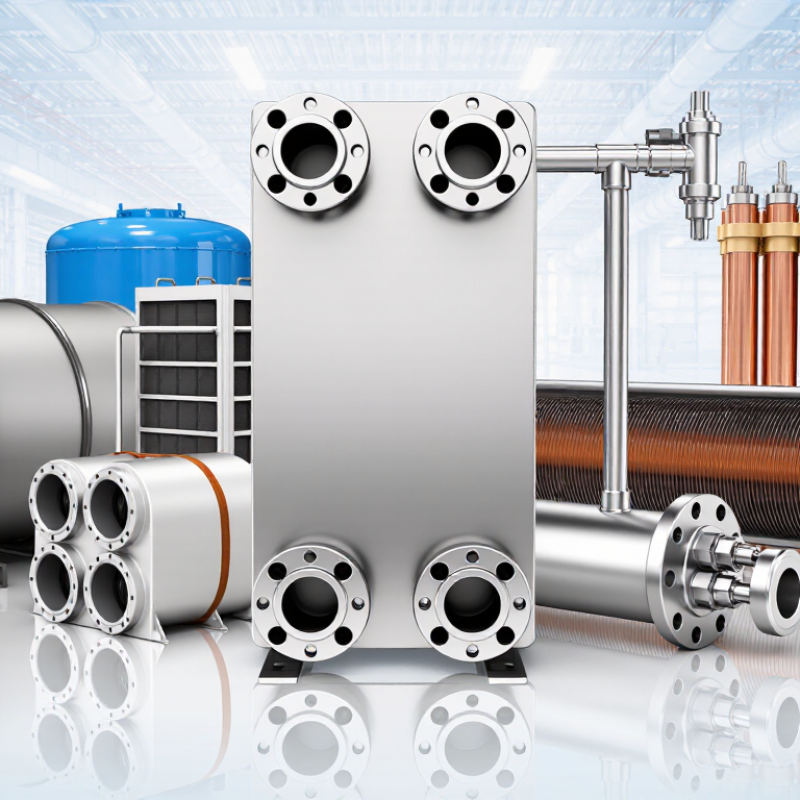
China’s heat exchanger sector includes manufacturers focused on distinct equipment and operating conditions. Some specialize in shell-and-tube units for power, chemical, and marine applications. Their strength is often robust construction, with tube bundles and pressure-rated shells sized for demanding service. Buyers should compare material grades, design pressure, and inspection records, not just quoted capacity.
Other manufacturers concentrate on gasketed plate exchangers for heating, cooling, and process lines. These compact units allow plate packs to be opened for cleaning or capacity changes. Producers of finned-tube coils and air coolers serve ventilation, refrigeration, and industrial cooling needs, where airflow and fin spacing matter. A small change can affect performance. Ask for performance data at your actual inlet temperatures, flow rates, and fluid properties. Request drawings, test documentation, and spare-parts details before ordering. A polished brochure is useful, but it cannot prove consistent production quality. Even experienced buyers may overlook maintenance access; that deserves a second look.
How Global Buyers Can Evaluate and Select Suppliers
A heat exchanger supplier should be assessed against the actual process, not a polished catalogue page. Share the required heat duty, inlet and outlet temperatures, flow rates, operating pressure, and fluid composition. Ask for calculations based on those conditions. Numbers need context. A quoted thermal rating may not reflect fouling, seasonal changes, or future capacity needs.
Compare pressure drop, materials, gasket or weld details, and cleaning access alongside purchase price. Request material certificates, inspection records, and test procedures relevant to the proposed unit. Ask how performance is verified before shipment, and whether replacement parts will remain available. Ask for evidence. References from similar applications can help, but confirm that the fluids and operating conditions are genuinely comparable.
A factory audit or technical call can reveal how carefully a supplier manages drawings, revisions, and quality checks. Review response times, documentation clarity, and the process for handling deviations. These details matter after installation. The cheapest offer can look convincing until maintenance costs appear. Yet a higher price does not guarantee better fit, either. Buyers should challenge their own assumptions: an oversized safety margin may add cost, while an optimistic duty estimate may cause trouble later. Record the criteria and trade-offs behind the final choice.
Export Standards, Quality Checks, and Shipping Considerations
Export readiness begins with the buyer’s destination, not a generic certificate folder. The IEA’s Energy Efficiency 2023 report says industry accounts for about 37% of global energy use, making exchanger performance claims worth careful scrutiny. Ask for rated duty, design pressure, temperatures, flow rates, and fouling assumptions on one controlled datasheet. Check material certificates against the bill of materials, then match weld maps and inspection records to the actual unit. Small details matter.
Pressure testing should follow the approved design code and documented acceptance criteria; one test value does not fit every exchanger. Review calibration dates, leak-test results, and nameplate data before release. If the destination requires conformity assessment, confirm its scope with a qualified local inspector. I would not treat a neat file as proof: serial numbers must link reports to the shipped unit.
UNCTAD’s Review of Maritime Transport 2024 notes that over 80% of world trade by volume moves by sea, making transit protection practical, not cosmetic. Require capped nozzles, sealed ports, corrosion protection, and shock-resistant supports; photograph the packing before loading. Confirm gross weight, lifting points, center of gravity, and crate dimensions against the booking. For wooden packaging, request applicable ISPM 15 treatment and marks. Sea delays happen. Moisture barriers help, though even good packing cannot fix vague delivery terms.