China Best Heat Exchanger Solutions for Global Buyers?
China has become a key player in the global heat exchanger market. Businesses worldwide seek efficient and cost-effective solutions for thermal management. According to Dr. Alice Zhang, a renowned expert in heat exchanger systems, “The future of heat exchange technology lies in innovation and adaptability.”
In this rapidly evolving industry, Chinese manufacturers offer a diverse range of heat exchanger products. Their emphasis on advanced materials and design enhances performance and durability. However, buyers must navigate quality assurance amidst varying standards. Some manufacturers excel in technology but lack customer service.
The challenge is finding a balance between cost and quality. Potential buyers should conduct thorough research before making decisions. Engaging with industry experts can provide invaluable insights. Ultimately, the right heat exchanger solution can lead to improved efficiency and reduced operational costs.
Overview of Heat Exchanger Types and Their Applications
Heat exchangers play a vital role in various industries. They facilitate efficient thermal transfer between two fluids without mixing them. This technology is crucial for energy management, thereby reducing operational costs.
Several types of heat exchangers exist.
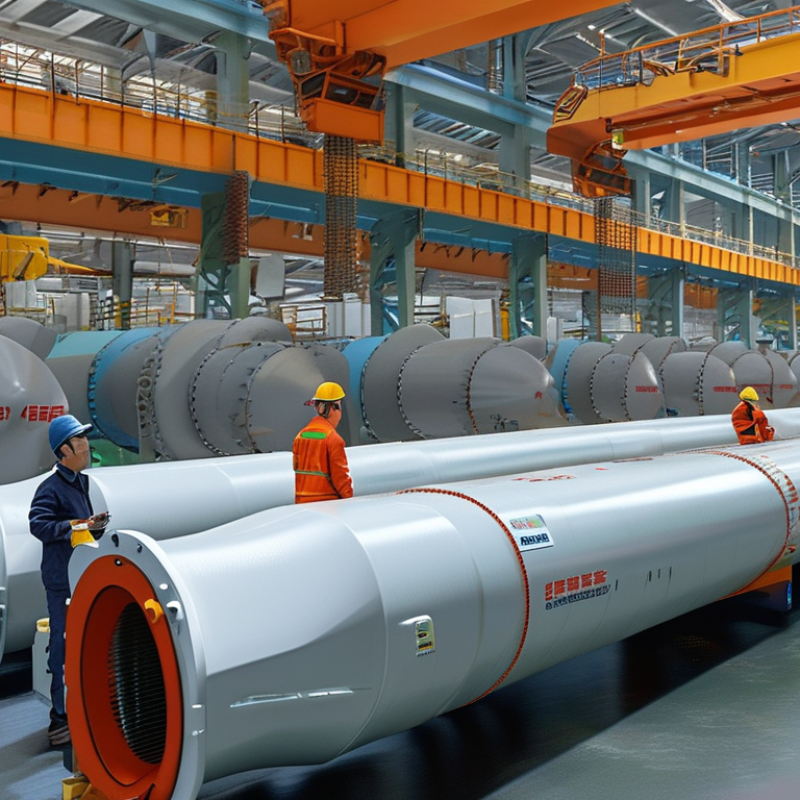
Tube and shell heat exchangers are prevalent in oil refineries. They are durable and handle high pressures effectively.
Plate heat exchangers, on the other hand, excel in space-saving designs and rapid thermal exchange. The choice of heat exchanger significantly depends on the application and required efficiency.
While many excel, there are challenges to consider. Some designs might require frequent maintenance, leading to downtime. Additionally, improper sizing can reduce efficiency. Therefore, buyers must assess their specific needs carefully to ensure optimal performance. Understanding these factors will lead to better decision-making in selecting the right heat exchanger solutions.
Key Players in China's Heat Exchanger Industry
The heat exchanger industry in China has seen remarkable growth over the past few years. According to recent market analysis, the sector is expected to reach a valuation of approximately $17 billion by 2025. This surge is fueled by increasing demands across various industries, including power generation, food processing, and HVAC. Key players in the market are continuously working to innovate and adapt to these changing needs.
However, challenges remain. Many manufacturers struggle with quality control and standardization. The diverse range of materials and designs can lead to inconsistencies in efficiency. A report from a leading industry consultancy highlighted that up to 25% of heat exchangers fail to meet operational specifications. This issue poses risks not only to manufacturers but also to end-users who depend on reliable performance.
Moreover, as the global market becomes more competitive, Chinese enterprises are increasingly focusing on research and development. Investing in advanced technologies, such as computer fluid dynamics, can enhance performance and efficiency. Collaborating with international firms may also help bridge the gaps in technology and best practices. Addressing these challenges could solidify China's position as a leader in the heat exchanger market.
Factors to Consider When Sourcing from China
When sourcing heat exchangers from China, several factors demand careful consideration. Quality control is paramount. It's crucial to establish clear standards and conduct regular inspections throughout the manufacturing process. Many buyers have encountered issues due to a lack of rigorous oversight. Understanding the production capabilities of suppliers can help mitigate these risks.
Additionally, communication plays a vital role in successful sourcing. Language barriers can lead to misunderstandings about specifications and timelines. Clear and frequent communication can reduce the likelihood of errors. Be open to discussing potential challenges. This fosters a collaborative relationship with suppliers, which can yield better outcomes.
Lastly, cultural differences should not be overlooked. Negotiation styles and business practices may differ significantly from what many are accustomed to. Taking the time to understand these nuances can improve partnerships. Many buyers realize too late that an extensive cultural gap can hinder collaboration. Consider involving local experts who can bridge these gaps effectively.
Quality Standards and Certifications for Heat Exchangers
When selecting heat exchangers, quality standards and certifications are critical. They demonstrate a product's reliability and performance. Common certifications include ISO, ASME, and TUV. These standards ensure that heat exchangers meet rigorous safety and operational requirements. Manufacturers must adhere to these protocols to secure certification. This guarantees that products can withstand demanding environments.
However, not all manufacturers meet these standards. Some may cut corners to reduce costs. This raises questions about the durability and efficiency of their products. Buyers should conduct thorough research before making a purchase. It's essential to ask suppliers about their certifications and quality assurance processes. Additionally, requesting third-party testing results can provide further confidence in the product.
Understanding these standards is vital for global buyers. It enables them to make informed decisions. Investing in high-quality heat exchangers can lead to better performance in the long run. Inevitably, the complexities of the global supply chain can complicate matters. Buyers should be vigilant and reflect on their choices. This approach ensures they select the best solutions available.
China Best Heat Exchanger Solutions for Global Buyers
| Type of Heat Exchanger |
Material |
Application |
Certifications |
Quality Standards |
| Shell and Tube |
Carbon Steel |
Oil & Gas |
ISO 9001 |
ASME Section VIII |
| Plate |
Stainless Steel |
Food & Beverage |
CE Mark |
EHEDG |
| Fin Tube |
Copper |
HVAC |
ASME |
TUV |
| Air Cooled |
Aluminum |
Power Generation |
ISO 14001 |
API Standard |
| Double Pipe |
PVC |
Chemical Processing |
ISO 45001 |
DNV GL |
Future Trends in China's Heat Exchanger Market
The heat exchanger market in China is evolving rapidly. Increasing demand for energy efficiency drives innovation. Companies are adopting advanced materials and technologies to improve performance. The focus on sustainability is reshaping product development. Manufacturers are investing in research to enhance functionality.
Challenges persist, however. Some producers struggle to meet international quality standards. This inconsistency may impact buyer trust. Moreover, the global supply chain's volatility affects availability and costs. Buyers need to assess their options carefully, considering both local and international suppliers.
Emerging technologies offer hope. Developments in smart heat exchangers promise greater efficiency. These systems can monitor performance in real-time. The potential for integration with renewable energy sources is promising. As the market grows, adaptability will be essential for sustained success.
Future Trends in China's Heat Exchanger Market
This bar chart illustrates the projected growth of the heat exchanger market in China over the years from 2020 to 2024. The data indicates a steady increase in market value, highlighting the rising demand and investment in heat exchanger technologies.