Best Plate-Fin Heat Exchanger Models for Maximum Efficiency?
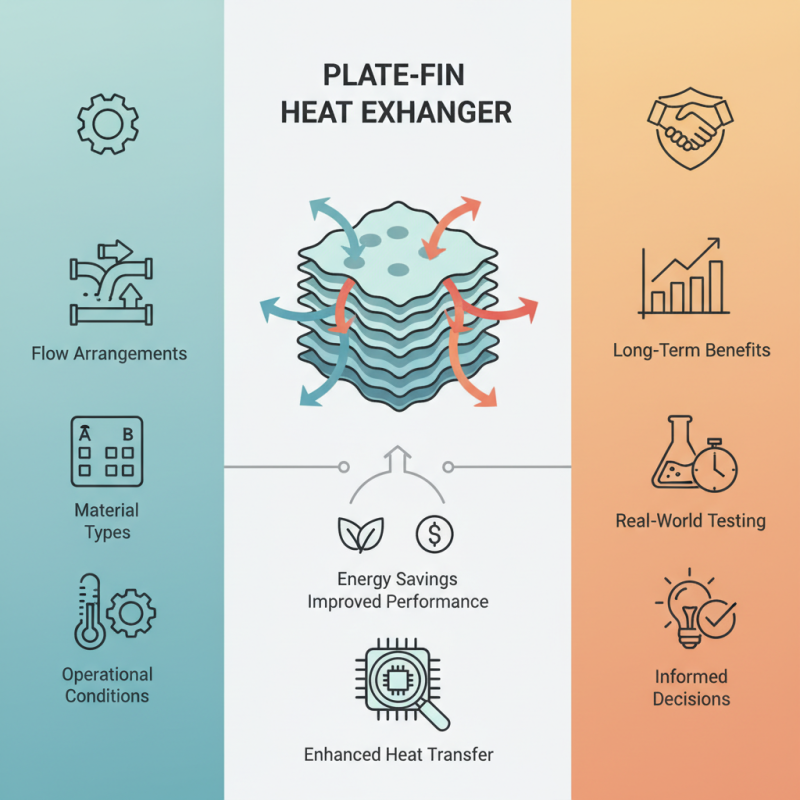
In the quest for maximum efficiency in thermal management, Plate-Fin Heat Exchanger models stand out. These exchangers have a compact design, ideal for limited spaces. Their enhanced heat transfer capabilities result in energy savings and improved performance in various applications.
Choosing the right Plate-Fin Heat Exchanger is crucial. Factors to consider include flow arrangements, material types, and operational conditions. Each model has its strengths and weaknesses. It's important to evaluate these aspects to achieve optimal performance.
Investing in a high-quality Plate-Fin Heat Exchanger can yield significant long-term benefits. However, relying solely on specifications may not be adequate. Testing under real-world conditions is essential for accurate validation. By understanding these nuances, professionals can make informed decisions, ultimately enhancing system efficiency.
Overview of Plate-Fin Heat Exchangers and Their Applications
Plate-fin heat exchangers are essential in many industries. They offer high thermal efficiency and compact designs. These units are commonly used in power plants, refrigeration, and air conditioning systems. Their compact size allows for easy integration into existing setups. Consequently, they save space while maximizing energy transfer.
These exchangers utilize flat plates to facilitate heat exchange between fluids. The fins enhance the surface area, improving heat transfer rates. However, maintenance can be challenging due to their complex structure. Regular inspections are crucial to ensure peak performance. Deterioration may go unnoticed, leading to inefficiencies.
Applications vary widely, from aerospace to food processing. Each industry relies on their efficiency and reliability. In aerospace, weight is critical. Thus, the compact design provides an advantage. In food processing, hygiene is paramount. Cleanability of the exchangers becomes a primary concern. Proper design choices can address these unique needs.
Key Design Features of Efficient Plate-Fin Heat Exchanger Models
When considering the design of efficient plate-fin heat exchangers, key features significantly affect performance. A crucial factor is the surface area-to-volume ratio, which enhances heat transfer rates. Reports indicate that exchangers with optimized corrugated plates can improve efficiency by up to 30%. This geometry allows for greater turbulence and improved fluid dynamics, leading to better thermal performance.
Material selection also plays an essential role. High thermal conductivity materials like aluminum offer advantages in weight and efficiency. Data shows that using such materials can reduce energy consumption by 15–25% compared to traditional options. Another important aspect is the fin configuration. Designs with enhanced fins can increase heat transfer while minimizing pressure drops, leading to lower operational costs.
However, challenges exist. Designing for maximum efficiency often requires balancing cost and performance. Overly complex designs might increase fabrication costs without significant efficiency gains. Continuous evaluation is necessary to identify areas for improvement. Monitoring the real-world performance of heat exchangers can reveal inconsistencies between expected and actual efficiency. This highlights the importance of iterative design and adaptability in engineering solutions.
Performance Comparison of Plate-Fin Heat Exchangers
Top Manufacturers and Their Leading Plate-Fin Heat Exchanger Products
When it comes to plate-fin heat exchangers, efficiency is key in various industrial applications. The market offers numerous models, but selecting the right one involves understanding the products from leading manufacturers. Reports indicate that high-efficiency models significantly reduce energy consumption, contributing to lower operational costs. Data from a recent industry study highlights that plate-fin designs can achieve up to 90% heat transfer efficiency, making them a vital component in sectors like aerospace and petrochemicals.
Top manufacturers are optimizing their designs for enhanced thermal performance. This often involves innovations in fin design and materials. Studies reveal that some of the most advanced models utilize aluminum for better heat conductivity. As manufacturers strive for ongoing improvements, they face challenges such as balancing heat transfer rates with pressure drops. Continuous innovation is critical, but it may not always align with practical implementation in all cases.
Tips: When choosing a plate-fin heat exchanger, consider thermal effectiveness and maintenance requirements. Look for models designed with ease of cleaning, as fouling can significantly impact performance. Also, evaluate the materials used in construction to ensure long-term reliability. Each choice can dramatically influence the efficiency and lifespan of your heat exchanger system.
Performance Metrics for Assessing Efficiency in Heat Exchangers
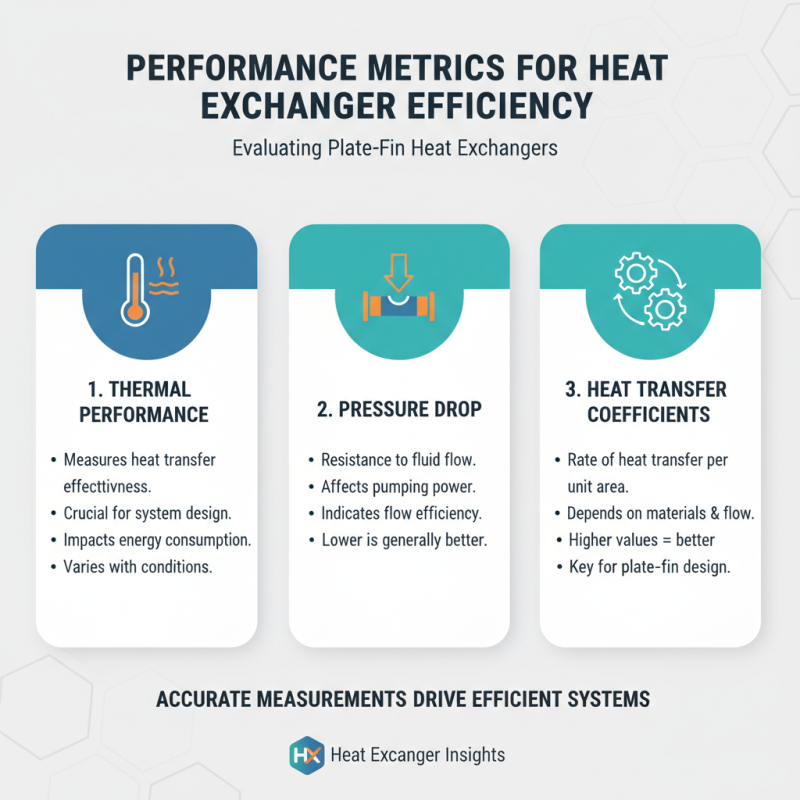
When evaluating plate-fin heat exchangers, performance metrics play a crucial role in determining efficiency. These metrics include thermal performance, pressure drop, and heat transfer coefficients. Assessing thermal performance involves measuring how effectively a heat exchanger transfers heat under various conditions. The accuracy of these measurements can significantly impact system design and energy consumption.
Pressure drop is another vital metric. It not only affects the energy required for fluid movement but also influences overall efficiency. A higher pressure drop can indicate inefficiencies in design. It's essential to find a balance, as reducing pressure drop may compromise heat transfer efficiency.
Heat transfer coefficients are equally important. They quantify the effectiveness of heat transfer between fluids. Factors like flow arrangement and surface area contribute to these coefficients. Understanding how different configurations impact these metrics can lead to optimized designs. Continuous evaluation and improvement are key. There's always room for better performance, and careful monitoring of these metrics can reveal hidden inefficiencies.
Future Trends and Innovations in Plate-Fin Heat Exchanger Technology
Plate-fin heat exchangers are undergoing significant advancements, driven by the need for greater efficiency and reduced energy consumption. Recent data from the Heat Exchange Institute indicates that these models can enhance heat transfer rates by up to 30%. Innovations like enhanced surface geometry and improved manufacturing techniques are pushing the boundaries of performance. However, not all heat exchangers meet the same efficiency standards. It's crucial to consider the operational environment and material choices for optimal results.
One intriguing trend is the integration of smart technologies. Real-time monitoring systems can adjust operational parameters automatically, improving efficiency further. The International Energy Agency reports that smart systems could reduce energy costs by an estimated 20%. Despite these advancements, challenges remain in balancing cost and performance. Some newer designs may encounter issues with fouling, which can impact long-term reliability and effectiveness.
Tips: When selecting a plate-fin heat exchanger, always evaluate the specific application to determine which innovations best suit your needs. Regular maintenance also enhances performance and lifespan. Consider investing in training for your team to stay updated with the latest trends in technology and efficiency measures.
Best Plate-Fin Heat Exchanger Models for Maximum Efficiency
| Model |
Heat Transfer Efficiency (%) |
Pressure Drop (kPa) |
Material |
Applications |
Innovations |
| Model A |
92 |
15 |
Aluminum |
Air Conditioning |
Enhanced fin design |
| Model B |
90 |
20 |
Stainless Steel |
Chemical Processing |
Corrosion resistance |
| Model C |
88 |
18 |
Copper |
Refrigeration |
Micro-channel technology |
| Model D |
85 |
25 |
Titanium |
Marine Applications |
Lightweight construction |