China Top Heat Exchanger Cost Insights and Trends?
In the rapidly evolving landscape of industrial manufacturing, understanding key trends in Heat Exchanger Cost is critical. According to Dr. Susan Lee, a leading expert in thermal systems, "The cost of heat exchangers is influenced by material choices and design specifications." This sentiment underscores the complexity of pricing in this sector.
As industries strive for efficiency, the financial implications of heat exchangers can be significant. Many companies overlook how various materials impact overall costs. Stainless steel might offer durability but at a premium. In contrast, aluminum could lower expenses but raise maintenance concerns.
Moreover, pricing isn't static. Global supply chain dynamics and technological advancements also play a role. For example, the rise of eco-friendly materials can alter standard pricing structures. Companies need to remain adaptable. Understanding these factors helps businesses make informed decisions. Balancing cost with performance is an ongoing challenge that requires careful evaluation.
Overview of Heat Exchangers in China's Industry
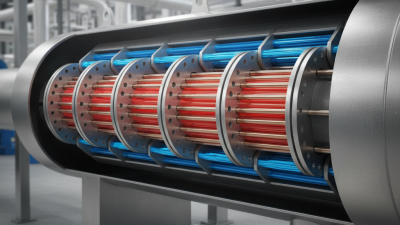
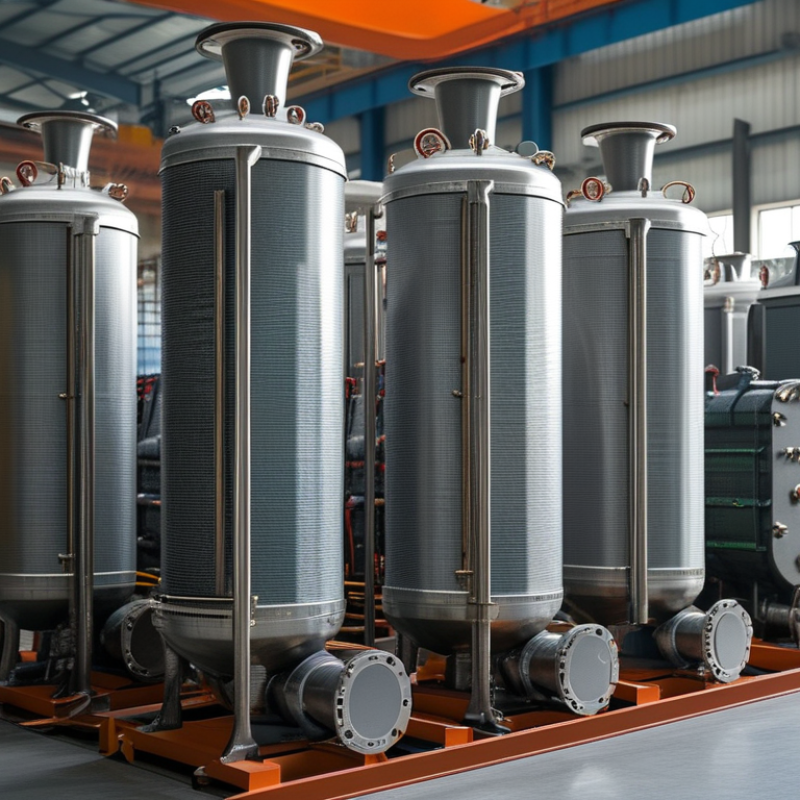
Heat exchangers are crucial components in various industries in China. They facilitate the transfer of heat between two or more fluids. This process is vital in sectors like power generation, petrochemicals, and food processing. Many manufacturers focus on improving the efficiency and reliability of their heat exchangers.
The Chinese market sees a growing trend toward innovative designs. These designs prioritize energy efficiency and sustainability. They reduce energy consumption while maintaining performance. However, challenges exist. Many companies face high production costs and stringent regulatory standards. These factors require constant adaptation and innovation in the industry.
With the rapid technological advancements, there is a push for more compact and efficient units. The industry must balance cost-effectiveness with performance. Not all manufacturers meet these evolving standards. Some still rely on outdated methods, risking competitiveness. This situation calls for careful reflection on strategies and methods in the heat exchanger segment.
China Heat Exchanger Market Trends (2023)
Key Factors Affecting Heat Exchanger Costs in China
The cost of heat exchangers in China is influenced by various factors. One major aspect is materials. The choice between stainless steel and aluminum affects overall prices significantly. Stainless steel offers durability but comes at a higher cost. In contrast, aluminum is lighter and often cheaper but may require more maintenance.
Labor costs are another key factor. The skilled workforce in China has driven labor pricing upward over recent years. This trend can lead to higher production costs. Additionally, fluctuating energy prices impact manufacturing expenses. Companies need to keep an eye on these changes to manage budgets effectively.
Lastly, government regulations play a role. New environmental laws may require advanced technology, which can increase expenses. The ongoing balance between cost and compliance remains a challenge. These insights highlight the complexity of heat exchanger pricing in China. Understanding these elements is crucial for industry stakeholders.
Recent Trends in Heat Exchanger Pricing and Demand
Recent trends in heat exchanger pricing and demand
showcase a dynamic landscape affected by several factors. The increasing global focus on energy efficiency drives significant demand for heat exchangers. Industries like HVAC, oil and gas, and power generation are continuously evolving.
As a result, they seek advanced heat transfer technologies, creating upward pressure on pricing.
The cost of raw materials, particularly metals like stainless steel and aluminum, significantly influences heat exchanger prices. Supply chain disruptions and fluctuating commodity prices lead to unpredictability in costs. Manufacturers are challenged to maintain competitive pricing while ensuring quality. This situation often results in inconsistent pricing for end-users.
Demand for sustainable solutions also shapes industry trends. As regulations tighten, companies invest in eco-friendly technologies. This shift may create higher upfront costs, but it often delivers long-term savings. However, some businesses still hesitate to embrace these innovations, fearing high initial expenditures. Understanding these complexities is crucial for industry professionals navigating pricing and demand shifts.
Comparative Analysis of Heat Exchanger Manufacturers in China
The heat exchanger market in China showcases a diverse range of manufacturers. In recent years, the industry has seen significant growth, driven by expanding demand in various sectors. According to a 2023 report by Market Research Future, the heat exchanger market in China is projected to reach USD 5.8 billion by 2027. This growth illustrates a robust shift toward innovative manufacturing practices.
A comparative analysis highlights differences in technology and efficiency among manufacturers. While some companies focus on traditional shell-and-tube designs, others invest heavily in new materials and compact configurations. For instance, data from a 2022 Frost & Sullivan report indicates that plate heat exchangers account for over 30% of the market share due to their improved heat transfer efficiency. Such variations impact the cost and performance of final products.
Despite these advancements, challenges remain for manufacturers. Quality control issues and rising material costs are pressing concerns. A survey conducted by the China Heat Exchange Association revealed that nearly 40% of manufacturers struggle with maintaining consistent quality. This highlights the need for better processes and quality assurance frameworks. The landscape remains competitive but requires adaptation and innovation to thrive.
Future Outlook for Heat Exchanger Costs in the Chinese Market
The heat exchanger market in China is on a transformative trajectory. Recent reports indicate a projected growth rate of approximately 6% annually through 2025. This growth is largely driven by the expanding industries of HVAC and energy. The increasing demand for efficient thermal management solutions is critical for both industrial and residential applications.
In 2022, the average price of heat exchangers in China rose by around 5% compared to the previous year. Rising raw material costs, labor shortages, and supply chain disruptions contributed to this increase. Copper and aluminum prices have fluctuated significantly, impacting production costs. This has led many manufacturers to reassess their pricing strategies. Some companies are focusing on innovative designs to maintain competitive prices while enhancing performance.
Looking ahead, a major challenge remains. Companies must adapt to the evolving regulatory environment. Stricter energy efficiency standards are being implemented. This introduces significant pressure on manufacturers to innovate while controlling costs. The shift towards sustainable solutions is not just an opportunity but a necessity. Understanding these trends can help industry players navigate the complexities of the Chinese heat exchanger market.
China Top Heat Exchanger Cost Insights and Trends
| Year |
Material Type |
Average Cost (USD) |
Market Trend |
| 2020 |
Copper |
$1200 |
Stable |
| 2021 |
Aluminum |
$950 |
Decrease |
| 2022 |
Stainless Steel |
$1500 |
Increase |
| 2023 |
Titanium |
$1750 |
Steady |