How Does a Heat Exchanger Function Tips for Buyers
A heat exchanger is vital in various industries, aiding in efficient thermal energy transfer. Understanding the heat exchanger function is crucial for buyers making informed decisions. According to the International Energy Agency, heat exchangers account for about 30% of energy consumption in industrial processes. This statistic underscores their importance in optimizing energy efficiency.
The effectiveness of a heat exchanger can significantly impact operating costs. Poorly designed systems can lead to inefficiencies, wasting both energy and money. Buyers should consider key factors such as material quality, design type, and maintenance requirements. A report by the American Society of Heating, Refrigerating and Air-Conditioning Engineers highlights that improper maintenance can reduce efficiency by up to 30%.
While manufacturers provide various options, not all heat exchangers are created equal. It is essential to evaluate performance data and thermal calculations. In some cases, oversizing or undersizing can lead to substantial operational losses. Buyers must balance initial costs with long-term benefits. This reflection on the heat exchanger function is vital for optimal performance and sustainability.
What is a Heat Exchanger and Its Purpose?
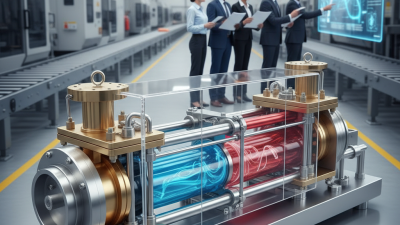
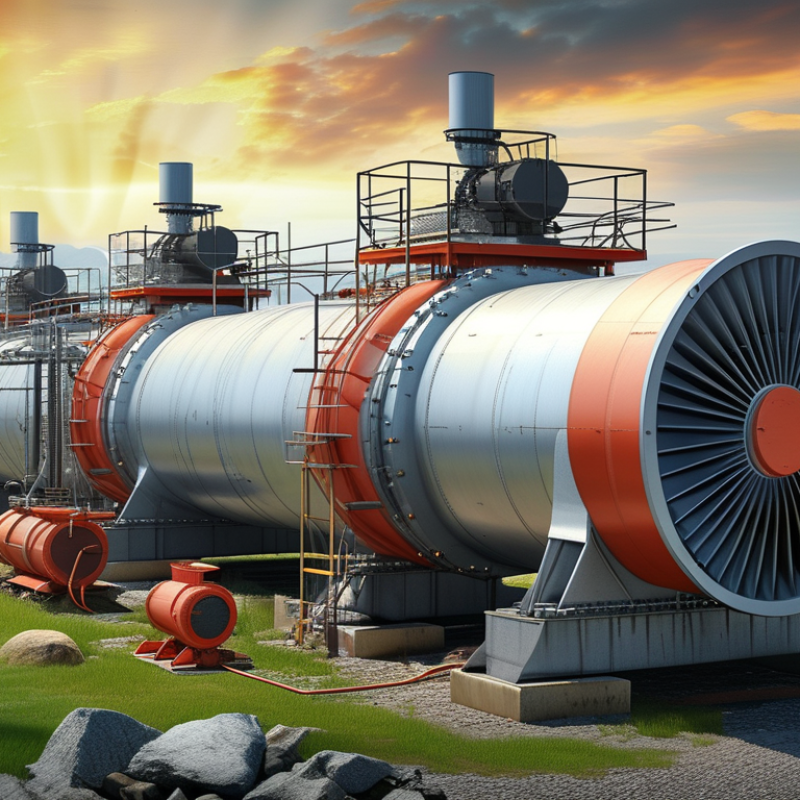
A heat exchanger is a crucial device widely used in various industries. It facilitates the transfer of heat between two or more fluids without mixing them. The primary purpose of heat exchangers is to improve energy efficiency and reduce waste. According to a report by the U.S. Department of Energy, heat exchangers can save up to 20% of energy costs in industrial applications. This makes them invaluable in processes such as HVAC, refrigeration, and chemical processing.
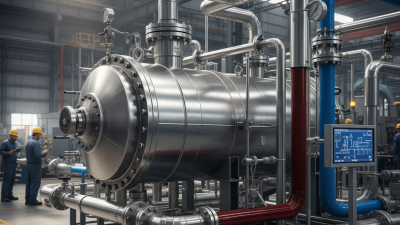
Understanding how a heat exchanger works can help buyers make informed decisions. These devices operate on principles of thermal conduction and convection. They can vary in design, including shell-and-tube, plate, and air-cooled types. Each design has unique benefits and applications. Buyers should consider their specific needs, such as fluid type, temperature range, and space constraints.
Tip 1: Assess your system's requirements before buying. Identify the fluids to be processed and temperature conditions.
Tip 2: Look for models that offer easy maintenance access. Regular maintenance is critical to ensure optimal performance.
The efficiency of a heat exchanger significantly impacts operational costs. Select a device with high heat transfer efficiency to ensure long-term savings. However, be cautious of overly complex designs that may lead to maintenance challenges. Focus on finding a balance between efficiency and usability.
Types of Heat Exchangers and Their Applications
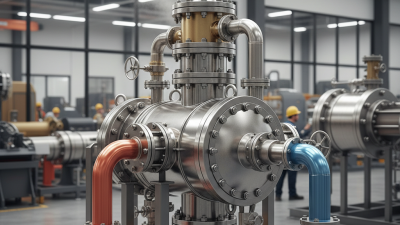
Heat exchangers play a crucial role in various industries, offering efficient solutions for temperature regulation. Their types vary, each catering to specific applications. One popular type is the shell and tube heat exchanger, ideal for high-pressure situations. Another is the plate heat exchanger, known for its compact design and efficiency in smaller spaces. There are also air-cooled heat exchangers, which use air to dissipate heat, reducing water usage.
When choosing a heat exchanger, buyers should consider several factors. Size and space are essential. Ensure the unit fits comfortably within your system. Efficiency matters too; an efficient heat exchanger can save energy and improve overall performance. Maintenance requirements should not be overlooked as well. Some models may demand more upkeep than others, affecting long-term costs.
Understanding the specific application is key. A wrong choice can lead to operational inefficiencies. For example, using a water-cooled unit in a dry environment may not be practical. Reflecting on these details before purchase will lead to better results. Be proactive in researching and consult professionals if needed.
How Does a Heat Exchanger Function Tips for Buyers - Types of Heat Exchangers and Their Applications
| Type of Heat Exchanger |
Description |
Applications |
| Shell and Tube |
Consists of a series of tubes, one set carries the hot fluid while the other carries the cold fluid. |
Used in oil refineries, chemical plants, and power generation. |
| Plate Heat Exchanger |
Made up of multiple thin plates that provide a large surface area for heat transfer. |
Common in food processing, HVAC systems, and marine applications. |
| Air Cooled Heat Exchanger |
Uses air to cool or heat a fluid, typically using fans. |
Utilized in power plants, petrochemical plants, and HVAC systems. |
| Double-Pipe Heat Exchanger |
Simplest type, consisting of one pipe inside another, with one fluid flowing in each pipe. |
Used for small-scale applications, such as heating water and refrigerants. |
| Spiral Heat Exchanger |
Consists of two spiral channels, one for hot fluid and the other for cold fluid. |
Applicable in waste heat recovery, chemical processing, and wastewater treatment. |
Key Components and Operating Principles of Heat Exchangers
Heat exchangers play a crucial role in various industries, ranging from HVAC to chemical processing. Their primary function is to transfer heat between two or more fluids. This process occurs without mixing the fluids, ensuring purity and efficiency. The main components include heat transfer surfaces, flow paths, and various fittings. According to the Heat Exchanger Market Report, the global market for heat exchangers is projected to reach $23.1 billion by 2025, highlighting their significance.
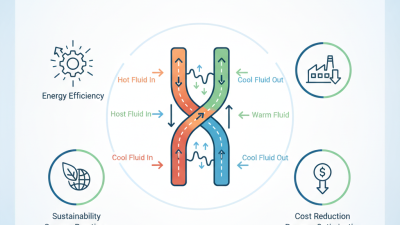
In operation, heat exchangers rely on conduction and convection principles. Heat transfer surfaces, which can be made from metals like aluminum or stainless steel, facilitate the process. Fluid flow patterns are critical; counterflow and crossflow systems are popular due to their efficiency. A counterflow design, for example, allows for a greater temperature gradient, improving heat transfer effectiveness. Yet, challenges such as fouling can reduce efficiency, requiring regular maintenance.
Selecting the right heat exchanger demands careful consideration. Factors like fluid types, temperature requirements, and pressure drops are vital. A detailed understanding of these components helps in making informed decisions. However, oversizing or undersizing can lead to operational inefficiencies. It's essential to consult professionals and refer to industry reports for specific applications. Knowledge is key, even if navigating through various options feels overwhelming.
Factors to Consider When Buying a Heat Exchanger
When considering the purchase of a heat exchanger, several critical factors come into play. Efficiency is paramount. A well-functioning heat exchanger transfers heat effectively, impacting energy consumption and operational costs. Look for models that demonstrate high thermal performance while maintaining low pressure drops. This balance ensures optimal heat transfer without wasting energy.
Material selection is another key consideration. Heat exchangers can be constructed from various materials like stainless steel or titanium. Each material offers different durability and resistance to corrosion. Buyers should match the material to the specific application to guarantee longevity. For instance, high-corrosive environments may require specialized materials.
It's also essential to evaluate size and configuration. The dimensions of the heat exchanger should fit seamlessly within existing infrastructure. Compact designs may be beneficial, but they must not compromise performance. Energy output requirements must be carefully assessed. Balancing these elements can be challenging but is crucial for long-lasting efficiency. Investing time in research at this stage can lead to better returns in the future.
Maintenance Tips for Optimal Heat Exchanger Performance
Proper maintenance of a heat exchanger is crucial for ensuring its efficiency and longevity. Regular inspections are essential. Identify issues early before they escalate. Check for leaks, corrosion, and blockages. These problems can significantly impact performance. A clean heat exchanger operates more effectively. Accumulated dirt and debris can decrease heat transfer efficiency. Consider using a suitable cleaning solution to prevent buildup.
Monitoring operating conditions is vital. Keep an eye on temperature and pressure levels. Fluctuations may indicate underlying issues. Record data over time to detect patterns. This can help in troubleshooting potential problems. Don't overlook the importance of seals and gaskets. Replace them when they show signs of wear. Neglected seals can lead to leaks and system failures.
Lastly, document all maintenance activities. This practice can aid in identifying recurring problems. It’s easy to overlook small issues, but they can lead to larger complications. Regular training for staff on heat exchanger care can enhance overall reliability. Awareness of the system's intricacies can guide better decision-making, reducing the chance of costly repairs.