China Top Hydraulic Cooling System Innovations and Applications?
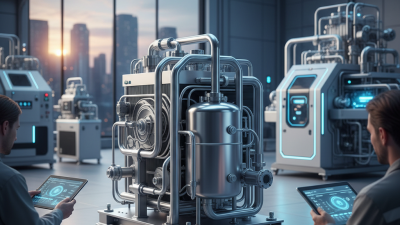
In recent years, the hydraulic cooling system industry in China has witnessed significant advancements. According to a report by ReportLinker, the global hydraulic cooling system market was valued at approximately $3.6 billion in 2022 and is projected to grow steadily. The increasing demand for efficient cooling solutions in various sectors such as manufacturing, construction, and automotive has driven innovation.
Industry expert Dr. Wei Cheng states, "The future of hydraulic cooling systems hinges on energy efficiency and sustainability." His insights highlight the critical need for systems that not only perform well but also meet environmental standards. Innovations such as heat exchange technology and smart cooling systems are becoming essential. These advancements promise enhanced performance and reliability across multiple applications.
However, challenges remain. The transition to new technologies can be slow, and some systems still rely on outdated practices. Stakeholders must invest in research and development to address these gaps. As the hydraulic cooling system market evolves, identifying practical applications and solutions will be crucial for staying competitive and meeting industry demands.
Hydraulic Cooling Systems: Definition and Importance in China
Hydraulic cooling systems play a vital role in various industries across China. These systems manage heat in hydraulic machinery, ensuring optimal performance and extending equipment life. Proper temperature control is essential, especially in manufacturing and construction sectors, where machinery operates under high stress.
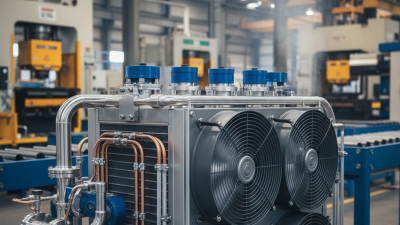
The design of hydraulic cooling systems often includes cooling towers and heat exchangers. These components use water or air to dissipate heat effectively. However, challenges arise in maintaining efficiency. For instance, dust and debris can hinder air flow, reducing cooling efficiency. Regular maintenance is crucial to address these issues and ensure reliable operation.
In urban environments, pollution impacts the performance of these systems. Innovative solutions strive to integrate filtration techniques, but practicality remains an open question. As industries expand, the demand for more efficient and sustainable cooling solutions increases, prompting ongoing research and development in this field. It’s essential to reflect on the balance between technological advancement and environmental considerations.
Key Innovations in China's Hydraulic Cooling Technology
China's hydraulic cooling technology has seen remarkable advances in recent years. Engineers have focused on enhancing efficiency and sustainability. Innovations such as closed-loop cooling systems are at the forefront. These systems minimize water loss and energy consumption, which are critical in a resource-scarce environment. Utilizing cutting-edge heat exchangers, they improve thermal management for various industrial applications.
Another area of innovation is the integration of smart technology. Sensors linked to monitoring systems can predict cooling needs and adjust flows automatically. This adaptability not only enhances performance but also reduces operational costs. However, the implementation may still face challenges, like the need for skilled personnel to manage these advanced systems.
There are also significant strides in material science. New composite materials offer better resistance to corrosion and extreme temperatures. While these innovations are promising, some issues remain unresolved. The long-term durability of these materials in diverse environments needs further evaluation. Continuous improvements and field tests will help refine these technologies further.
Applications of Hydraulic Cooling Systems in Various Industries
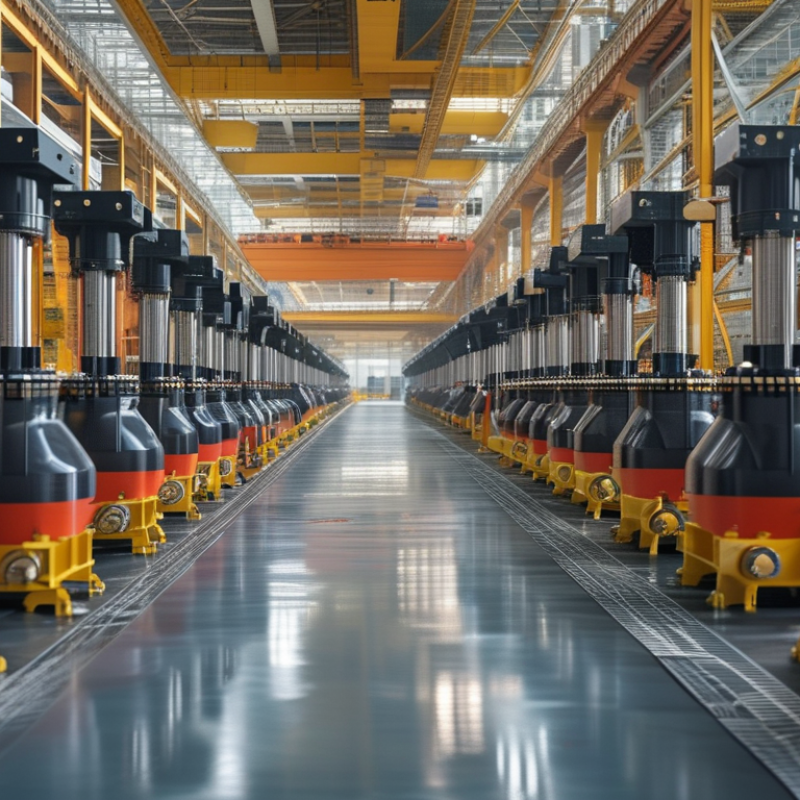
Hydraulic cooling systems have become vital in numerous industries. These systems efficiently manage heat generated by machines, enhancing performance and longevity. For instance, in the manufacturing sector, hydraulic cooling maintains optimal temperatures in press machines. If overheating occurs, it can lead to costly downtime or equipment failure. Effective cooling systems often reduce energy consumption, benefiting both the environment and operational costs.
In the automotive industry, hydraulic cooling plays a crucial role in vehicle performance. It keeps hydraulic fluids within a safe operating range, ensuring smooth operation of brake and steering systems. Many organizations struggle with selecting the right cooling system for their specific needs. Mistakes in design or implementation can lead to inefficiencies. Regular maintenance is essential to ensure reliability and optimum performance.
Another significant application is in mining operations. Hydraulic systems power various equipment, from drills to conveyor belts. Reliable cooling keeps these systems running smoothly under extreme conditions. However, the challenge lies in adequately managing the heat dissipation in rugged environments. Technological advancements are needed to address these issues and improve system efficiency. Continued research and innovation are crucial for developing reliable hydraulic cooling systems across industries.
Comparative Analysis: Domestic vs. International Hydraulic Cooling Solutions
In the realm of hydraulic cooling systems, China has made significant strides in innovation. Domestic solutions often prioritize cost-effectiveness and adaptability for local industries. Many Chinese manufacturers focus on creating systems that can operate in rugged conditions. These designs cater to local market needs, but may lack some advanced features found in international products.
On the other hand, international hydraulic cooling systems typically come with state-of-the-art technology. They often have higher energy efficiency and utilize sophisticated materials. However, these solutions can be overly complex for some applications. Such complexity may lead to higher maintenance costs. A comparative analysis shows that while international systems can offer remarkable performance, they sometimes fail to meet the simple demands of smaller operations.
Both sides have points worth considering. Domestic systems are easier to integrate and generally more affordable. However, they may fall short in durability and efficiency. International systems excel in technology and longevity but can be impractical for small-scale users. A balanced approach may enhance the effectiveness of hydraulic cooling solutions across various industries.
Future Trends and Developments in Hydraulic Cooling Systems in China
Hydraulic cooling systems in China are evolving rapidly. Recent reports indicate a growing demand for efficient and sustainable cooling solutions in various industries. By 2025, the hydraulic cooling system market is expected to reach $3 billion. This surge reflects a shift towards advanced technologies that enhance energy efficiency and performance.
Innovations in hydraulic cooling include the integration of smart sensors. These sensors allow for real-time monitoring and adjustments, optimizing cooling performance. Notably, the use of heat exchangers has gained popularity. They can significantly reduce energy consumption by up to 30% compared to traditional methods. However, the industry faces challenges in standardization and scalability of these technologies.
Tips: Ensure regular maintenance of hydraulic cooling systems. This can extend their lifecycle and improve efficiency. Also, consider adopting modular designs for flexibility in applications. As the market evolves, keep an eye on emerging trends, such as eco-friendly refrigerants and AI integration, to stay ahead.