How to Choose a Plate-Fin Heat Exchanger for Your Needs?
Choosing the right Plate-Fin Heat Exchanger can be a pivotal decision for your engineering project. According to Dr. Emily Carter, a leading expert in thermal systems, “Selecting the right heat exchanger impacts efficiency and cost significantly.” Her insight highlights the importance of making informed choices.
When evaluating options, consider factors like thermal performance, size, and fluid compatibility. Each project has unique requirements, so a one-size-fits-all approach rarely works. For instance, a high-performance Plate-Fin Heat Exchanger may excel in a specific application but falter in another.
It’s crucial to ask the right questions and reflect on past mistakes. Not considering the operational environment can lead to costly inefficiencies. Experts suggest including maintenance needs in the selection process as well. Ultimately, understanding your specific requirements will guide you in choosing the best Plate-Fin Heat Exchanger for your needs.
Understanding Plate-Fin Heat Exchanger Fundamentals and Applications
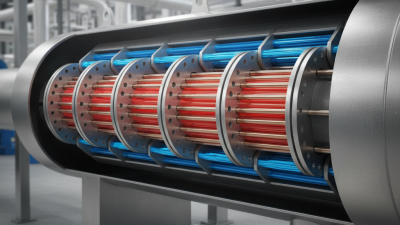
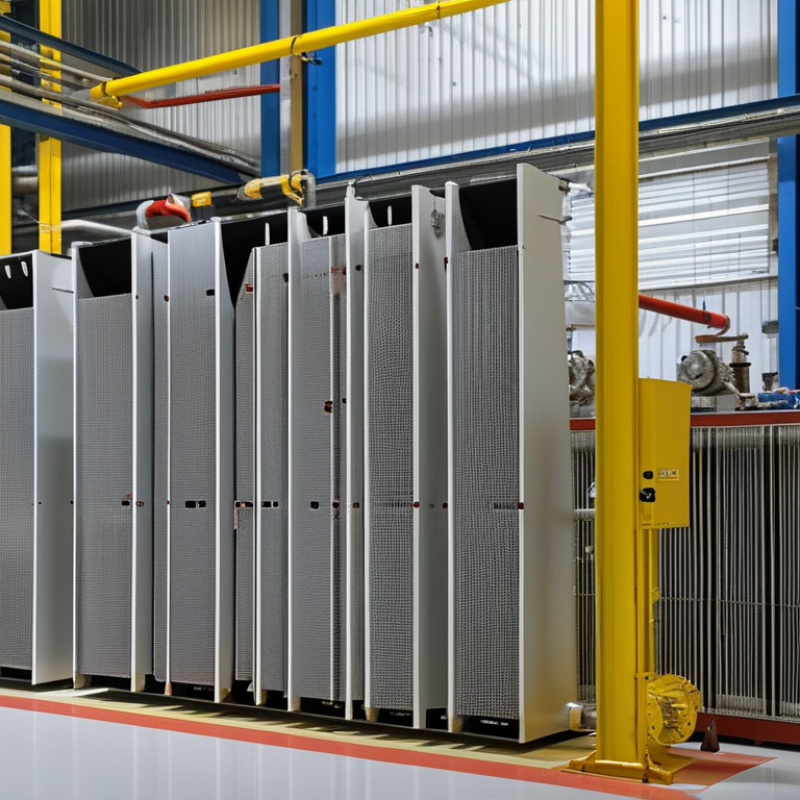
When selecting a plate-fin heat exchanger, understanding its fundamentals is crucial. These exchangers consist of a series of plates, creating a compact design that maximizes heat transfer. The fins increase surface area, enhancing thermal efficiency. They are ideal for various applications, including HVAC systems and process industries.
Plate-fin heat exchangers offer versatility in design. They can be customized for specific applications, such as high-pressure or corrosive environments. However, designing an efficient system requires careful consideration of fluid dynamics and thermal properties. Potential users must evaluate factors like flow arrangement and temperature differences.
Choosing the right heat exchanger is not always straightforward. Miscalculations in sizing can lead to inefficiencies. Users often encounter trade-offs between cost and performance. Regular maintenance is essential to ensure long-term reliability. Understanding these complexities will help in making informed decisions for effective heat management solutions.
Evaluating Thermal Performance: Key Metrics and Calculations
When choosing a plate-fin heat exchanger, understanding
thermal performance is vital. Key metrics like heat transfer coefficient, overall
heat transfer rate, and pressure drop should guide your decision. The heat transfer
coefficient can significantly affect efficiency. Studies indicate that the coefficient
for plate-fin exchangers can range from 1000 to 5000 W/m²·K, depending
on fluid conditions and flow arrangement.
Calculating the overall heat transfer rate is essential. This involves considering
the thermal conductivity of the fluids involved and the exchanger's surface area.
A typical plate-fin heat exchanger may achieve an overall heat transfer coefficient
of around 1500 to 3000 W/m²·K. Evaluating
the pressure drop across the unit can prevent equipment failure and ensure system
reliability. Research shows that a pressure drop exceeding
10-20% of the pump's capacity can lead to operational inefficiencies.
It's important to scrutinize the design parameters. Engineers often overlook the
flow arrangement, which can lead to suboptimal
performance. Balancing thermal efficiency with pressure drop may require iterative
calculations. Ultimately, selecting the right plate-fin heat exchanger demands a
thorough analysis of heat transfer metrics, ensuring your system meets specific
operational needs without unexpected failures.
Material Selection: Factors Influencing Efficiency and Durability
When selecting a plate-fin heat exchanger, material choice plays a crucial role in performance. Heat exchangers often utilize materials like aluminum, stainless steel, and copper. Aluminum is lightweight and has good thermal conductivity, making it a common choice. However, it may corrode in certain environments. According to industry reports, corrosion can reduce efficiency by up to 20% in saltwater applications.
Stainless steel offers enhanced durability, especially in high-pressure situations. It resists rust and maintains thermal efficiency. However, its weight is a drawback. Research indicates that opting for stainless steel can increase upfront costs by 15-30%. This decision may affect project budgets. Meanwhile, copper has the highest thermal conductivity but is susceptible to corrosion over time. Regular maintenance is crucial to uphold efficiency. Balancing these factors is essential when choosing materials.
Environmental conditions significantly influence material performance. A good design takes into account factors like temperatures and chemical exposure. Neglecting these aspects can lead to costly failures. It’s important to assess your specific operational conditions before finalizing your material choice. This consideration ensures the heat exchanger performs at its best for years to come.
Sizing Considerations: Determining Flow Rates and Heat Transfer Area
When selecting a plate-fin heat exchanger, sizing considerations are critical. Accurate flow rates and sufficient heat transfer area must be determined beforehand. Flow rates heavily influence the efficiency of heat exchangers. Studies show that even a 10% change in flow rate can lead to a 25% variation in heat transfer effectiveness. Therefore, understanding the required capacity is vital for maximizing performance.
Heat transfer area is another key factor. It directly impacts how effectively heat is exchanged between fluids. Insufficient area can lead to overheating and possible system failure. A reliable industry guideline suggests that the optimal heat transfer area should be based on the maximum anticipated flow. If the calculations show a gap, installing a larger unit is often the safer route. On the other hand, oversized units can lead to unnecessary costs and energy inefficiency.
Beyond basic calculations, real-world conditions must be factored into sizing. Variations in fluid properties, operating pressures, and temperature differentials are common. These complexities can lead to oversights that significantly affect efficiency. Regular reassessments of both flow rates and heat transfer areas can help in mitigating these issues, ensuring a more reliable and effective heat exchanger performance.
Cost-Effectiveness Analysis: Balancing Initial Investment and Operational Savings
When assessing plate-fin heat exchangers, a cost-effectiveness analysis is crucial. Initial investments can be substantial. However, evaluating operational savings over time may reveal significant benefits. Efficient heat exchange can lead to reduced energy costs, which is a vital consideration for any business.
Consider the overall lifecycle costs. Maintenance, energy consumption, and potential downtime can impact your total expenditure. Regular upkeep is essential; neglecting it may lead to higher operational costs. Investing in quality materials can save money long-term but requires a careful assessment of your budget.
Small businesses might struggle to find a balance between quality and affordability.
It's also important to reflect on your specific needs. Different applications require distinct designs. What works well for one industry might be inefficient for another. Analyzing past performance metrics can aid decision-making.
Customer feedback, while anecdotal, can highlight strengths and weaknesses. Seek expert advice, but remember that not every recommendation will suit your unique situation.