What is a Hydraulic Cooling System and How Does it Work?
The Hydraulic Cooling System is essential in various industrial applications. This system uses hydraulic fluid to dissipate heat from machinery, ensuring optimal performance and longevity. Experts emphasize its importance. Dr. Emily Carter, a renowned engineer in the field, once stated, “A well-designed Hydraulic Cooling System can significantly enhance equipment lifespan and efficiency.”
This technology works on the principles of fluid dynamics. As hydraulic fluid circulates through the system, it absorbs heat generated by machinery. The heated fluid then passes through a cooling unit, which dissipates the heat effectively. However, the design must be precise. Improper configurations can lead to inefficiencies, ultimately harming the system's performance.
Challenges exist with the Hydraulic Cooling System. Factors like fluid contamination and pressure fluctuations can impact functionality. While it is generally reliable, regular maintenance and monitoring are crucial. These aspects often require skilled professionals to ensure peak operation. Understanding the nuances of this system shapes its effectiveness in the industry.
What is a Hydraulic Cooling System?
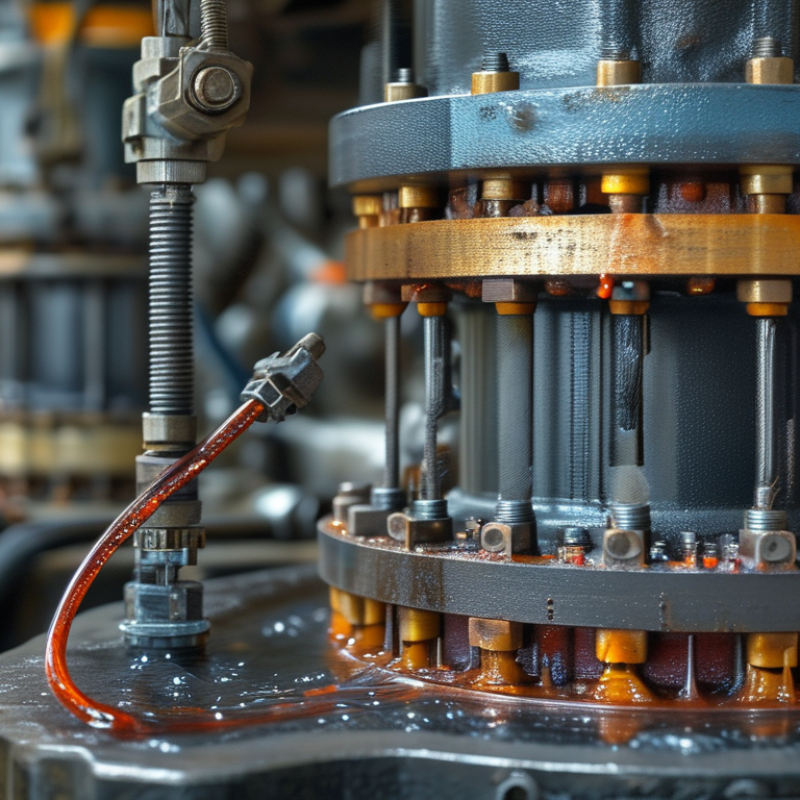
A hydraulic cooling system is essential for managing heat in various machinery. It uses liquid, often oil, to absorb and dissipate heat. The primary components include a pump, cooling unit, and reservoirs. The pump circulates fluid, while the cooling unit expels excess heat to maintain optimal temperature levels.
Hydraulic systems operate under high pressures and temperatures. The fluid absorbs heat from components, preventing overheating. This process ensures efficiency and prolongs equipment life. Regular maintenance is essential. Without it, efficiency declines, leading to possible failure.
Consider checking fluid levels regularly. Fluctuations can indicate leaks or evaporation. Additionally, inspect for any debris, which can hinder performance. A clean cooling system is vital for effective operation. Balancing these checks is necessary yet often overlooked. Neglect can result in costly repairs and downtime, demonstrating the importance of proactive assessment in hydraulic systems.
Key Components of a Hydraulic Cooling System
A hydraulic cooling system plays a vital role in maintaining optimal temperatures in various machinery. It uses a mixture of fluid and air to efficiently remove heat from hydraulic components. The key components of this system include the hydraulic reservoir, pump, heat exchanger, and cooler.
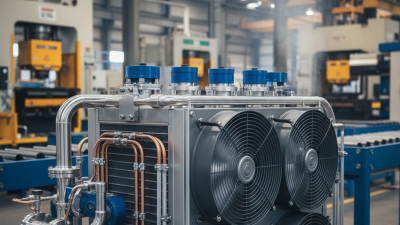
The hydraulic reservoir stores fluid. It supplies necessary fluid to the system and assists in heat dissipation. A pump circulates fluid throughout the system, ensuring consistent temperature control. The heart of the cooling system is the heat exchanger, where the heat from the fluid transfers to the cooling medium. A cooler aids this process by utilizing ambient air or water, which absorbs excess heat.
These components work together seamlessly. Yet, there are potential downtime concerns. Improper fluid levels can impact the system’s effectiveness. Blockages in the heat exchanger may lead to inefficient cooling. Regular maintenance is essential for reliable operation. Monitoring fluid quality must not be overlooked. Effective cooling prolongs equipment life, but neglect can lead to severe damage.
Principle of Operation in Hydraulic Cooling Systems
A hydraulic cooling system operates by circulating a hydraulic fluid to transfer heat away from machinery or equipment. This system uses the principles of fluid dynamics. When the fluid absorbs heat, it becomes less dense and moves towards the cooler areas. The cooled fluid then returns to absorb more heat, maintaining an efficient operating temperature.
Hydraulic cooling systems excel in industrial applications. According to a report by the International Journal of Mechanical Engineering, these systems can improve energy efficiency by up to 30%. Moreover, they reduce wear on components, extending the lifespan of machinery. Understanding how fluid viscosity changes with temperature is vital. This affects the system's efficiency and performance.
Tips for effective operation include regular monitoring of fluid levels and quality. Flushing the system periodically helps remove contaminants. Ensure proper insulation of hoses and pipes to prevent heat loss. These simple practices can noticeably enhance cooling efficiency. Additionally, be aware of potential leaks, which can lead to operational inefficiencies and safety hazards. Keeping a log of fluid temperature can also help identify performance issues early.
Advantages of Using Hydraulic Cooling Systems
Hydraulic cooling systems play a crucial role in various industrial applications. One significant advantage of these systems is their efficiency. According to a 2021 report by the International Society for Hydraulics, hydraulic cooling systems can reduce energy consumption by up to 30%. This improvement not only lowers operational costs but also minimizes environmental impact. The ability to maintain consistent temperature control is vital in heavy machinery and manufacturing processes.
Another benefit is the system's capacity to work under high-pressure conditions. Many hydraulic systems can operate effectively in temperatures exceeding 200°F. This feature makes them ideal for industries such as mining and construction. However, it’s essential to regularly monitor fluid levels and temperature to ensure optimal performance. Neglecting this maintenance can lead to system failures and costly downtime.
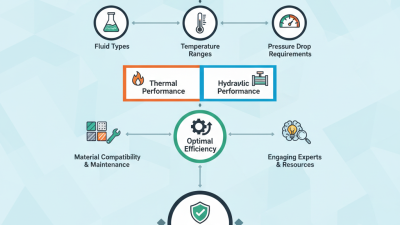
Choosing the right hydraulic cooling system can be complex. Factors such as fluid type, system design, and operating environment must be considered. Consulting with experienced professionals can provide insights tailored to specific needs. Ensuring that every component is suitable for the intended application enhances reliability significantly.
Common Applications of Hydraulic Cooling Systems
Hydraulic cooling systems play a vital role in many industrial applications. They help manage heat generated by hydraulic machinery. These systems use a liquid medium to absorb excess heat and transfer it away from critical components. In fact, about 70% of hydraulic system failures are related to overheating, underscoring the importance of effective cooling mechanisms.
One of the most common applications is in mobile machinery, such as excavators and loaders. These machines often work under heavy loads, generating significant heat. According to industry reports, proper hydraulic cooling can improve operational efficiency by up to 30%. This is crucial in sectors like construction, where downtime can result in substantial financial losses.
Hydraulic cooling systems are also prevalent in manufacturing and processing plants. They maintain optimal temperature conditions for hydraulic pumps and motors. A well-designed cooling system can extend equipment life by 20% or more. However, there is still a challenge in maintaining the balance between cooling efficiency and energy consumption. Many systems require constant monitoring to ensure they operate within optimal parameters. This ongoing need requires regular assessment and adaptation of cooling strategies to meet the demands of evolving technology and environmental conditions.