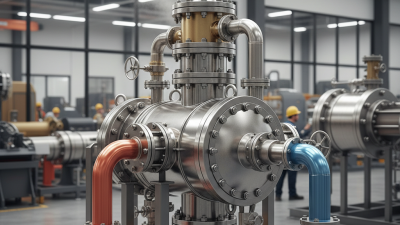
Top 10 Tips for Choosing Industrial Radiators for Your Needs?
Selecting the right industrial radiators is crucial for optimal performance. A suitable radiator can enhance efficiency and reduce energy costs. Understanding your specific needs is essential in this context.
When choosing industrial radiators, consider the environment where they will be used. Factors like temperature, pressure, and the type of fluids involved play a significant role. Additionally, the radiator's material can affect durability and efficiency. Many options are available, but not all will work for your unique situation.
Industrial radiators can vary widely in design and function. It’s easy to feel overwhelmed by choices. Prioritizing your operational requirements and recognizing potential shortcomings is vital. Reflecting on past experiences can guide you in making a well-informed decision. Choosing wisely can lead to long-term benefits, while mistakes can be costly.
Understanding the Different Types of Industrial Radiators Available
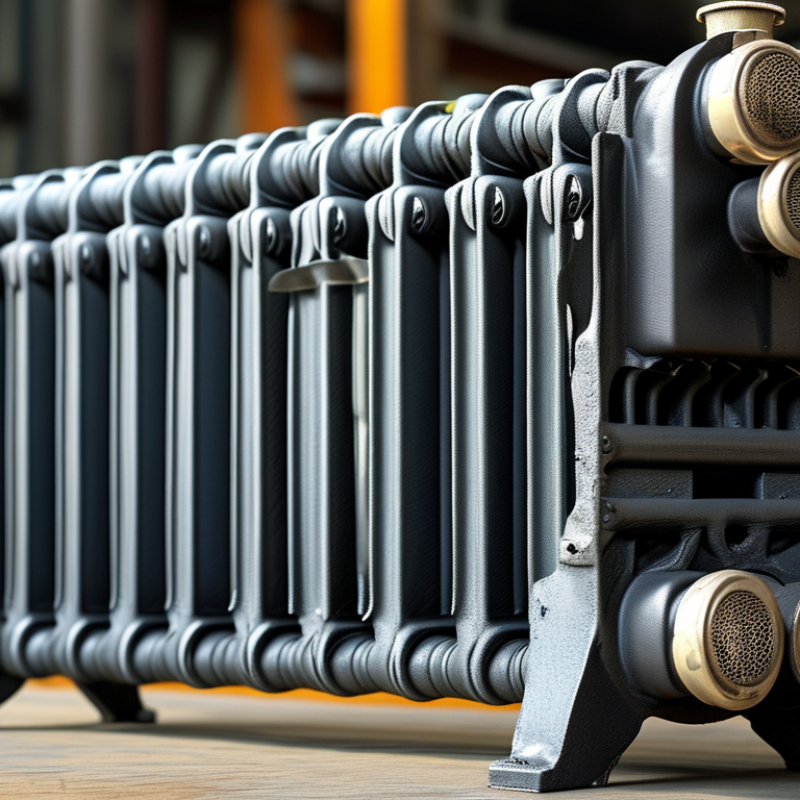
When selecting industrial radiators, it’s crucial to understand the different types available. The most common varieties include water-cooled, air-cooled, and oil-filled radiators. Each type operates on distinct principles and is designed for specific applications. For instance, water-cooled radiators are highly efficient in larger facilities where temperature control is vital. They require a continuous water supply and may need complex plumbing. This aspect can raise installation costs and require regular maintenance checks.
Air-cooled radiators are often easier to install. They utilize ambient air to cool the system, making them ideal for remote applications. However, their efficiency may drop in high-temperature environments. It’s important to weigh these trade-offs when making your choice. Oil-filled radiators provide excellent heat retention but can be cumbersome. They may also require special considerations for disposal and maintenance.
Choosing the right radiator involves not only technical specifications but also assessing the specific demands of your environment. Mistakes in selection can lead to inefficient heating, energy waste, and increased operational costs. Reflecting on past projects can inform better decisions and save future headaches. Understanding each type’s strengths and weaknesses is key to finding the best fit for your needs.
Top 10 Tips for Choosing Industrial Radiators for Your Needs
| Type of Radiator |
Material |
Heat Output (BTU/hr) |
Application |
Efficiency Rating |
| Steel Radiator |
Steel |
50,000 |
Manufacturing |
85% |
| Aluminum Radiator |
Aluminum |
40,000 |
Automotive |
90% |
| Cast Iron Radiator |
Cast Iron |
60,000 |
Process Heating |
80% |
| Copper Radiator |
Copper |
55,000 |
HVAC |
92% |
| Plastic Radiator |
Plastic |
30,000 |
Lighter Loads |
70% |
Evaluating Heat Transfer Efficiency for Your Specific Application
When selecting industrial radiators, evaluating heat transfer efficiency is crucial. Efficiency directly impacts energy consumption and system performance. Understanding the heat transfer characteristics of different radiators helps in making informed decisions. Look for materials that enhance conductive heat transfer, like aluminum or copper. These metals offer better thermal conductivity, which can lead to more effective heating.
It's also essential to consider the design and surface area of the radiator. A larger surface area can allow for more heat exchange, improving overall efficiency. During installation, ensure that the radiator is placed in an optimal position for airflow. Poor placement may hinder heat distribution. Additionally, assessing the specific application requirements is vital. Different environments may demand distinct radiator specifications.
Sometimes, despite thorough research, initial choices may not yield desired results. Continuous monitoring and adjustment can help. Reflecting on performance data allows for refinements in selection. Ultimately, the goal is to balance efficiency with other operational needs.
Considering Size and Space Constraints in Your Facility
When choosing industrial radiators, understanding size and space constraints is critical. Space limitations can impact the efficiency of heating or cooling. It's important to accurately measure the area where the radiator will be installed. Consider ceiling height, wall space, and proximity to machinery. All these factors influence the radiator's performance.
Tip: Calculate the required BTU based on your facility's dimensions. This will help you choose a radiator that meets your heating needs without overwhelming the space.
Another consideration is airflow. Ensure that the radiator’s placement allows for adequate air circulation. Poor airflow leads to inefficient heating. If possible, visualize the layout using design software. This can help identify potential issues early.
Tip: Always leave space around the radiator for maintenance and air flow. Neglecting this could result in future headaches. Design flexibility is important, but it should not compromise function or safety. Finding the right balance is essential for optimal performance.
Top 10 Tips for Choosing Industrial Radiators for Your Needs
Assessing Material Durability and Corrosion Resistance
When selecting industrial radiators, material durability and corrosion resistance are critical factors. Corrosion can lead to reduced efficiency and increased maintenance costs. According to a 2022 report by the Global Institute of Engineering, failures due to corrosion account for nearly 30% of unplanned downtime in industrial settings.
Stainless steel and copper-nickel alloys are often recommended for their resistance to harsh environments. However, the choice should depend on the specific application. Be aware that not all materials resist corrosion equally; certain coatings can wear off under extreme conditions.
Tip: Always evaluate the operating environment. Increasing humidity or chemical exposure can significantly impact material lifespan. Another consideration is the specific temperature ranges in your operational processes. Some materials perform better under extreme heat than others. It’s essential to examine the compatibility of the radiator material with the fluids it will hold.
While it may be tempting to choose the cheapest option, investing in higher-quality materials can save costs long-term. The upfront price might be higher, but the decreased risk of corrosion-related failures offsets this.
Analyzing Cost vs. Energy Efficiency for Long-Term Savings
When considering industrial radiators, balancing cost and energy efficiency is essential. According to a report by the U.S. Department of Energy, up to 30% of energy in industrial settings can be wasted due to poor heating system design. Choosing the right radiator can minimize this waste and enhance efficiency. Industrial radiators that leverage advanced materials often provide better thermal performance, reducing energy costs in the long run.
Cost is always a factor. High-efficiency radiators may require a higher initial investment, but they can yield significant savings. It is estimated that businesses can save between 10% and 20% on energy bills by selecting the right equipment. A study by the Energy Efficiency Partnership highlighted that manufacturers saw a return on investment for energy-efficient upgrades within two to three years. However, it’s crucial to carefully assess the total operating costs, not just the purchase price, to make informed decisions.
Even with advanced models, energy efficiency can often vary based on specific applications. Not all industrial environments will benefit from the same type of radiator. Factors like size, heat output, and operational hours require thorough analysis. Poorly matched equipment can lead to inefficiencies, affecting long-term savings. Engaging with experienced engineers can provide insights tailored to your operational needs.