Top 10 Heat Exchanger Functions You Should Know?
In the world of thermal management, understanding the "Heat Exchanger Function" is crucial. Experts like Dr. Jane Smith, a renowned thermal engineer, emphasize this: "Heat exchangers are the unsung heroes of energy efficiency." These devices play vital roles in various industries, from HVAC systems to chemical processing.
Their primary purpose is to transfer heat between two fluids efficiently. They help industries save energy, reduce costs, and minimize environmental impact. Yet, many overlook the complexities involved. Different designs serve particular applications, and choosing the wrong type can lead to inefficiencies.
With the advancement of technology, the functions of heat exchangers have evolved significantly. Many now incorporate innovative materials and designs to optimize performance. But there’s more to it than just technical specs. Understanding each function is essential for engineers to ensure reliability and safety in operations. Ignoring this knowledge can result in costly mistakes. As we explore the top heat exchanger functions, a deeper understanding is not just beneficial; it's necessary.
Understanding the Basic Functionality of Heat Exchangers
Heat exchangers are crucial in many industries. They allow for the efficient transfer of heat between two or more fluids. This process saves energy and enhances system performance. Having a fundamental grasp of their functions can greatly benefit engineers and technicians alike.
One primary function of a heat exchanger is to regulate temperatures. This is vital in systems like HVAC, where both heating and cooling are necessary. The design of the exchanger influences heat transfer efficiency. A well-designed unit optimizes the surface area, allowing for better heat conduction. Another important role is ensuring safety. In processes where fluids are heated or cooled, maintaining operational temperatures is essential. A malfunction could lead to equipment failure or safety hazards.
Understanding how a heat exchanger operates helps troubleshoot issues. Maintenance becomes easier when one knows what to look for. Sometimes, deposits build up on the surfaces, decreasing efficiency. Regular cleaning can prevent this problem. The reality is that not all designs are perfect. Every system has limitations, and recognizing these can improve operational reliability.
Key Processes Involved in Heat Exchange
Heat exchangers play a vital role in numerous industrial processes. They facilitate the transfer of heat between two or more fluids without mixing them. This process is crucial in various applications, such as heating, cooling, and waste heat recovery. Understanding key processes involved in heat exchange can enhance system efficiency.
One critical aspect is conduction. It occurs when heat moves through solid walls of the heat exchanger. Efficient conductive materials can significantly improve heat transfer rates. Convection is another significant process. It involves the movement of fluids, which enhances heat transfer through bulk movement. Using baffles can promote better fluid flow and increase turbulence, leading to improved convection.
Additionally, thermodynamics principles govern the heat exchange processes. Temperature differences drive heat transfer, which emphasizes the need for precise temperature control in processes. Yet, flaws can occur in heat exchangers, such as fouling, where contaminants build up and hinder performance. Regular maintenance and monitoring are necessary to address these issues and ensure optimal operation.
Applications of Heat Exchangers in Various Industries
Heat exchangers play a crucial role across various industries. They transfer thermal energy between two or more fluids without mixing them. This process is vital in applications from power generation to food processing.
In the oil and gas sector, heat exchangers assist in refining processes. They help cool or heat substances to required temperatures efficiently. However, they can incur fouling, affecting performance. Regular maintenance is essential to maximize efficiency.
In HVAC systems, these devices manage heating and cooling effectively. They improve energy efficiency, which is critical for sustainability. Yet, improper sizing can lead to inefficiencies. An expert evaluation can help in selecting the right heat exchanger.
Tip: Always monitor the temperature and pressure of the fluids. This helps in identifying potential issues early.
In the chemical industry, heat exchangers are vital for reactions and product cooling. They ensure safe and efficient operation. But, they can suffer from leaks over time. Regular inspections are necessary to maintain integrity.
Tip: Invest in quality materials to prevent corrosion and deterioration.
Understanding these applications enhances efficiency and safety. It's important to stay informed about the latest practices in heat exchanger technology. Consider consulting with industry experts for the best solutions.
Factors Affecting Heat Exchanger Efficiency
Heat exchangers play a crucial role in various industries, from HVAC to chemical plants. Their efficiency largely depends on several factors. Understanding these factors can enhance performance and save costs.
One significant factor affecting heat exchanger efficiency is the temperature difference between the two fluids. A larger temperature difference generally leads to better heat transfer. However, striking a balance is essential. Too much difference can cause thermal stress, leading to equipment failure. It’s vital to monitor and maintain appropriate temperature ranges.
Flow rates also influence efficiency. Higher flow rates can improve heat transfer in theory. Yet, excessive flow can cause turbulence, which may hinder heat exchange. Regularly check your system to ensure the flow rates are within optimal levels.
**Tip**: Regular maintenance is key to ensuring efficiency. Clean heat transfer surfaces to prevent fouling. Fouling can drastically reduce performance, costing time and money.
**Tip**: Keep an eye on the material used. The right materials can enhance resistance to corrosion and wear, extending the lifespan of heat exchangers.
Efficiency is not just about design; it’s about continuous monitoring and adjustments. Every system has its unique challenges, and recognizing these can lead to smarter solutions.
Top 10 Heat Exchanger Functions You Should Know - Factors Affecting Heat Exchanger Efficiency
| Function |
Description |
Factors Affecting Efficiency |
| Heat Transfer |
Transfers thermal energy between two or more fluids. |
Fluid velocity, temperature difference, surface area |
| Cooling |
Used to remove excess heat from processes or equipment. |
Flow arrangement, coolant properties, fouling |
| Heating |
Heats a fluid to maintain operational efficiency. |
Heat source temperature, flow rates, overall design |
| Energy Recovery |
Recovers waste heat for reuse in other processes. |
Heat exchanger type, fluid properties, operational conditions |
| Process Cooling |
Keeps processes within desired temperature ranges. |
Inlet/outlet temperatures, heat load, design parameters |
| Temperature Control |
Maintains set temperatures for optimal processing. |
Control systems, sensor accuracy, fluid dynamics |
| Condensation |
Promotes the phase change of vapor to liquid. |
Pressure drop, cooling medium, surface roughness |
| Evaporation |
Facilitates the change of liquid to vapor. |
Heat input, fluid properties, flow configuration |
| Heat Recovery |
Recovers heat from exhaust streams. |
Exhaust temperature, heat exchanger design, flow rates |
| Heat Distribution |
Evenly distributes heat throughout the system. |
Pipe layout, pump performance, thermal stratification |
Common Types of Heat Exchangers and Their Functions
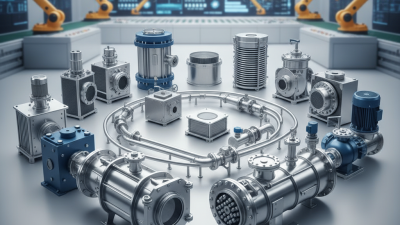
Heat exchangers play a pivotal role in various industries. They facilitate efficient thermal energy transfer between fluids, enhancing energy conservation and process efficiency. Understanding the common types of heat exchangers can help in selecting the right one for specific applications.
Shell-and-tube heat exchangers are widely used in oil and gas, as they handle high pressures effectively. Their simple design allows for easy maintenance. Plate heat exchangers, on the other hand, are compact and efficient. They can transfer heat between two fluids through multiple plates, maximizing surface area. Air-cooled heat exchangers are essential in power plants and industrial facilities. They rely on ambient air to cool process fluids without water consumption.
Each type has its own set of strengths and weaknesses. For instance, while shell-and-tube exchangers are reliable, they can be bulky. Plate heat exchangers offer space-saving designs but may require more frequent cleaning. Understanding these differences is crucial for optimal performance and longevity in your systems. Consider the specific needs of your application to avoid costly mistakes down the line. Always consult with experts to ensure the right choice is made.
Top 10 Heat Exchanger Functions You Should Know
This chart represents the various functions of heat exchangers commonly used in industrial applications. The data illustrates the relative importance of each function based on typical usage and efficiency metrics.