Best Heat Exchanger Cost Factors You Should Know?
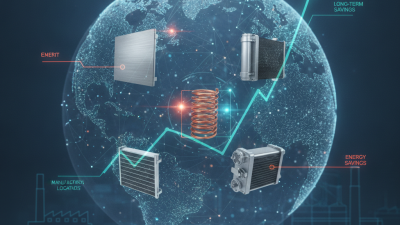
In the rapidly evolving HVAC industry, understanding Heat Exchanger Cost is crucial for optimizing budgets and enhancing efficiency. According to a recent report from the International Journal of Heat Transfer, heat exchangers account for nearly 25% of total energy consumption in industrial processes. This statistic highlights the importance of choosing the right heat exchanger to balance cost and performance. Expert Dr. Emily Carter, a leading authority on thermal systems, states, “Investing wisely in heat exchangers can significantly reduce operational costs and improve energy efficiency.”
Various factors influence Heat Exchanger Cost, including materials, design complexity, and maintenance needs. For instance, titanium heat exchangers may offer durability but come at a higher price. In contrast, standard stainless steel options are often more economical but may not meet specific project requirements. Decision-makers must weigh these factors carefully to avoid overspending while ensuring long-term reliability.
Reflecting on past projects, companies have often underestimated the total cost of ownership, leading to unexpected financial strain. It's vital to engage with suppliers and industry experts to gain insights into potential hidden costs. By understanding the nuances of Heat Exchanger Cost, businesses can make informed decisions that enhance their competitive edge in a demanding market.
Understanding Heat Exchanger Basics and Their Importance
Understanding heat exchangers is crucial for various industries, including HVAC, power generation, and food processing. These devices transfer heat between two or more fluids, improving energy efficiency. According to the U.S. Department of Energy, proper heat exchanger design can enhance energy recovery by up to 25%. This efficiency can lead to significant savings and reduced operational costs.
Heat exchangers come in various types—shell and tube, plate, and air-cooled. Each has specific applications and benefits. For instance, shell and tube models are prevalent in oil refineries, while plate heat exchangers are often used in food processing due to their compact design. Choosing the right type requires a deep understanding of the application requirements.
Tip: When selecting a heat exchanger, consider the fluid properties, temperature, pressure, and flow rates. Multiple factors influence the cost. You must evaluate them all. Remember that proper maintenance can extend the life of any heat exchanger significantly. Neglecting these factors might lead to unexpected costs and inefficiencies over time.
Key Types of Heat Exchangers and Their Applications
Heat exchangers play a critical role in various industries. Understanding their types and applications helps in choosing the right one. The main types include shell-and-tube, plate, air-cooled, and double-pipe heat exchangers.
Shell-and-tube heat exchangers consist of numerous tubes. They provide good thermal efficiency and are ideal for high-pressure applications. Often, they are used in oil refineries and chemical plants.
Plate heat exchangers, on the other hand, are compact and efficient. Their design allows for easy cleaning and maintenance. They are commonly utilized in food processing and HVAC systems.
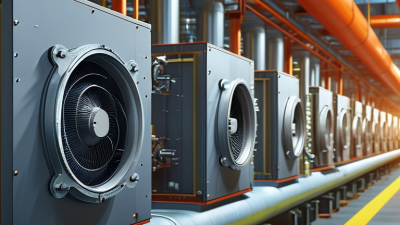
Air-cooled heat exchangers use air to dissipate heat. This design is fitting for locations with limited water supply. Double-pipe heat exchangers are simple and cost-effective. They fit smaller applications, such as residential heating. However, they may not be ideal for larger industrial settings.
Each type has advantages and limitations, making it essential to evaluate your specific needs before selecting the best heat exchanger.
Assessing Material Choices and Their Impact on Cost
When considering heat exchanger materials, the choice plays a crucial role in overall costs. Stainless steel, for example, offers high durability and excellent corrosion resistance. However, it can be more expensive upfront. Copper is another popular option. It conducts heat well but might not withstand corrosive environments as effectively. Each material has its own pros and cons, impacting long-term maintenance costs.
Manufacturers also evaluate fabrication costs. Some materials require specialized techniques, increasing production time and expenses. For instance, titanium is lightweight and corrosion-resistant but is significantly harder to work with. This can lead to higher labor costs during installation.
Material availability affects pricing too. Supply chain issues can drive up costs quickly. It's essential to consider that not all materials fit every application. Sometimes, opting for cheaper materials can lead to higher replacement costs down the road. Therefore, a thorough assessment of both immediate and future costs is necessary when deciding on heat exchanger materials.
Best Heat Exchanger Cost Factors You Should Know? - Assessing Material Choices and Their Impact on Cost
| Material Type |
Cost per Unit ($/kg) |
Thermal Conductivity (W/m·K) |
Corrosion Resistance (Rating) |
Lifespan (Years) |
| Copper |
6.00 |
401 |
Good |
10 |
| Aluminum |
3.00 |
237 |
Moderate |
15 |
| Stainless Steel |
4.50 |
16 |
Excellent |
25 |
| Titanium |
10.00 |
21 |
Superior |
30 |
| Carbon Steel |
2.50 |
54 |
Poor |
5 |
Installation and Maintenance Costs: What to Consider
When considering heat exchanger installation and maintenance costs, several factors come into play. The type of heat exchanger you select can significantly affect your budget. For instance, plate heat exchangers may have lower initial costs but can have more complex installations. Tube and shell exchangers, while more expensive upfront, may require less maintenance over time.
Labor costs are another critical component. Skilled technicians are necessary for proper installation and maintenance. Their hourly rates vary based on experience and location. Additionally, accessibility of the installation site can influence labor expenses. If the location is complicated, expect higher costs. Maintenance tasks like cleaning and inspections are vital and can add to ongoing expenses. A regular maintenance schedule can help prevent larger issues but requires a budget for routine checks.
Moreover, unexpected repairs can arise, and these costs can spiral quickly. It's wise to set aside a contingency fund for emergencies. Consider the lifespan of the heat exchanger, as older units may need more attention and repairs. Investing in high-quality materials at the start can reduce long-term expenses, though it demands a careful evaluation of your financial situation. Balancing initial investment with future savings is essential.
Market Trends Influencing Heat Exchanger Pricing
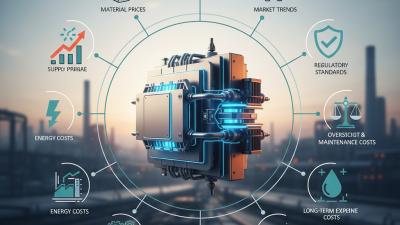
When considering heat exchanger pricing, several market trends play a crucial role. Supply chain disruptions can significantly affect availability. Recent global events have highlighted how sudden shortages can increase prices unexpectedly. Manufacturers might face higher costs for raw materials, leading to price hikes.
The demand for energy efficiency is another important factor. Businesses aim to reduce operational costs by using better heat exchangers. This trend drives up demand, especially for advanced systems. Companies may pay more for energy-efficient designs, influenced by upcoming regulations.
Tips: Always analyze market conditions before making a purchase. Understanding the current trends can help you negotiate better prices. Research suppliers thoroughly to find those with stable pricing models. Additionally, consider the long-term savings against the initial cost, as this can often justify a higher upfront investment.