What is the Heat Exchanger Function and Its Best Types in 2026?
Heat exchangers play a crucial role in many industrial applications. Understanding the heat exchanger function is essential for engineers and technicians alike. These devices facilitate the transfer of heat between two or more fluids. This process enhances energy efficiency and optimizes cooling and heating systems.
In 2026, heat exchangers continue to evolve. New materials and designs improve performance and reliability. Various types include shell-and-tube, plate, and air-cooled exchangers. Each type has unique advantages based on specific applications. For example, plate heat exchangers are compact and efficient but may require more maintenance.
However, selecting the right type is not always straightforward. Factors like fluid properties, temperature ranges, and pressure drops complicate the decision. A common oversight is failing to consider these elements. Engineers must balance efficiency with cost to avoid long-term issues. This ongoing challenge highlights the importance of continuous learning in this field.
What is a Heat Exchanger and Its Role in Modern Systems?
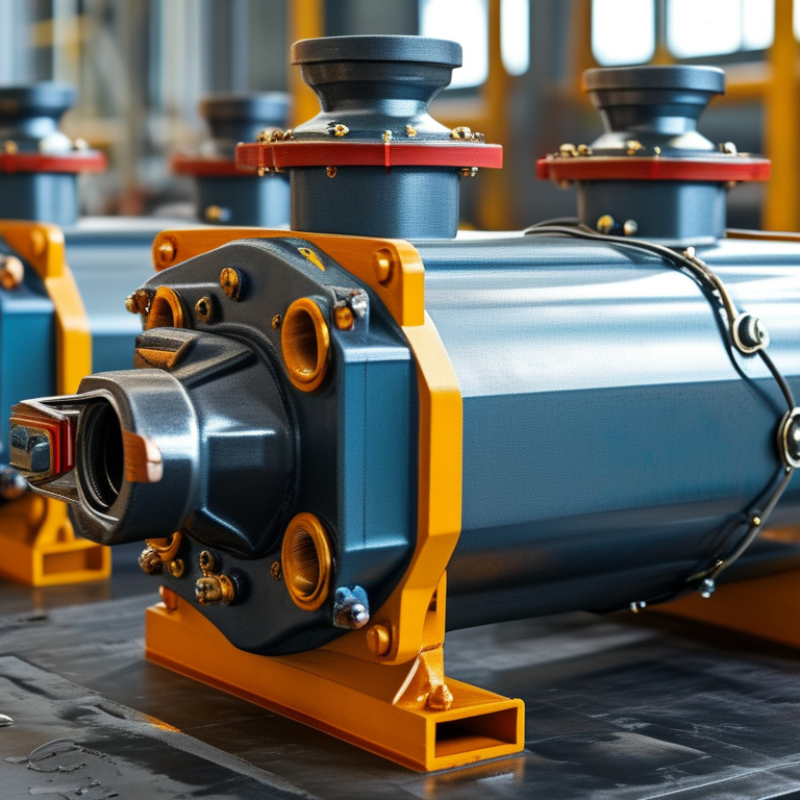
Heat exchangers are critical components in modern heating and cooling systems. They transfer heat between two or more fluids without mixing them. This technology is essential for efficiency and optimal performance in various industries. From automotive applications to HVAC systems, heat exchangers play a crucial role. Understanding their function can enhance system design and energy usage.
In buildings, heat exchangers facilitate climate control. They recover waste heat from exhaust air and use it to preheat incoming fresh air. This process saves energy and reduces heating costs. In industrial processes, proper heat exchange can improve operational efficiency. By optimizing temperatures, businesses can enhance production quality. However, improper design can lead to costly inefficiencies. Identifying and selecting suitable heat exchangers demands careful consideration of specific system requirements.
Future advancements in heat exchanger technology promise even greater efficiency. Innovations will focus on enhancing materials and designs. Challenges remain, such as balancing cost and performance. Engineers must constantly refine their approaches. Embracing new technologies while evaluating their effectiveness is essential for ongoing improvements.
Key Principles of Heat Exchanger Operation Explained
Heat exchangers play a crucial role in various industrial applications. They transfer heat between two or more fluids, optimizing energy use and enhancing efficiency. Understanding the key principles of their operation is essential for effective application. The basic idea involves using conductive, convective, and sometimes radiative heat transfer methods. These principles ensure the efficient exchange of thermal energy without mixing the fluids.
Different types of heat exchangers are available, each serving unique needs. Shell and tube heat exchangers are common in heavy industries. They consist of many tubes, allowing heat transfer between fluids. Plate heat exchangers, on the other hand, offer space-saving designs and efficient thermal exchange. These types often need regular maintenance due to fouling or wear over time.
Selection should focus on efficiency and maintenance needs. An ideal heat exchanger should minimize energy loss and maximize thermal transfer. Each design has its challenges. Plate exchangers may require more frequent cleaning, while shell and tube types can be bulky. Understanding these factors can lead to better decision-making in heat management strategies. The evolving technology in 2026 promises more efficient designs, although challenges may still arise.
Heat Exchanger Types and Efficiency Comparison in 2026
Common Types of Heat Exchangers and Their Applications
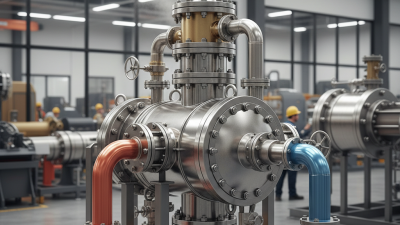
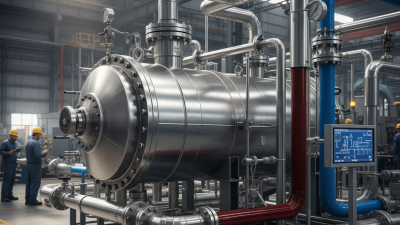
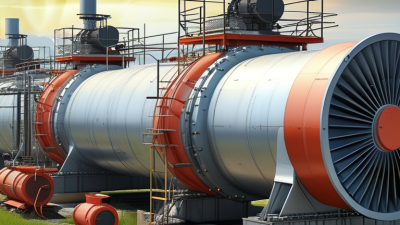
Heat exchangers are essential in various industries, facilitating the transfer of heat between two or more fluids. Each type has unique applications and efficiencies. For example, shell and tube heat exchangers are widely used in power plants. They consist of a series of tubes, allowing one fluid to flow through while another flows around them. This design is efficient for high-pressure applications. However, the complexity in cleaning them can be a drawback, requiring regular maintenance.
Plate heat exchangers are another popular choice. They feature thin plates stacked together, offering a large surface area for heat transfer. They excel in food processing and chemical industries. Their compact design makes them space-efficient. Yet, they might not handle high pressures as well as shell and tube types. Understanding the limitations of each type is crucial for optimal use.
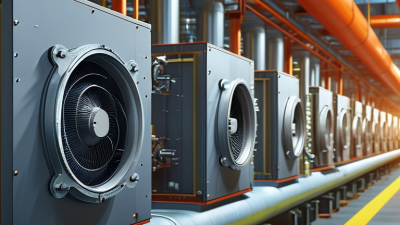
Air-cooled heat exchangers serve the purpose without water. They rely on air flow to remove heat, making them suitable for remote locations. Despite their environmental benefits, they can be less efficient in extreme temperatures. Selecting the right heat exchanger type is vital for maximizing efficiency while addressing specific operational challenges. Exploring various options leads to better decision-making in engineering applications.
What is the Heat Exchanger Function and Its Best Types in 2026?
| Type of Heat Exchanger |
Function |
Applications |
Efficiency Rating |
| Shell and Tube |
Transfers heat between two fluids |
Oil refineries, power plants |
85% |
| Plate |
Uses plates to transfer heat |
Food processing, HVAC systems |
90% |
| Air Cooled |
Utilizes air to cool the working fluid |
Natural gas processing, refrigeration |
80% |
| Double Pipe |
Consists of one pipe inside another |
Heating and cooling applications |
75% |
| Finned Tube |
Increases surface area for heat transfer |
Gas to gas heat recovery, cooling |
88% |
Factors to Consider When Choosing a Heat Exchanger
When choosing a heat exchanger, multiple factors come into play. Efficiency is crucial. According to the U.S. Department of Energy, heat exchangers can account for up to 30% of energy loss in industrial systems. Selecting a type that minimizes this loss is essential for operational efficiency.
Material compatibility is another key factor. Different processes involve varying corrosive chemicals and temperatures. A 2023 report from the International Energy Agency highlighted that choosing the wrong material can lead to premature failure. Stainless steel is popular for its durability, but it may not be suitable for all applications.
Size and space limitations should also be considered. The right heat exchanger must fit the specific layout of the system. A mismatch can lead to inefficient operation and increased energy costs. On average, poorly sized units can waste up to 20% more energy. Evaluating these factors critically ensures long-term performance and reliability in any project.
Emerging Technologies and Trends in Heat Exchanger Design for 2026
Heat exchangers are vital components in various industries. Their efficiency affects energy consumption and system reliability. In 2026, we are witnessing emerging trends that significantly impact heat exchanger design. Advanced materials, such as carbon nanotubes and phase change materials, are increasingly utilized. These materials improve thermal conductivity and reduce weight, offering performance enhancements compared to traditional options. According to a report by Research and Markets, the global heat exchanger market is projected to grow by 5.4% annually through 2026, driven by these technological advancements.
The integration of IoT is another pivotal trend reshaping the industry. Smart sensors now monitor performance in real-time. This data-driven approach allows for predictive maintenance and optimizes energy usage. Moreover, companies are beginning to adopt machine learning algorithms to enhance design processes. These innovations promise safer and more efficient operations, yet they require robust cybersecurity measures to protect sensitive information. As the industry evolves, engineers must reflect on balancing technology adoption with reliable operational frameworks.
Emerging energy sources, like solar and geothermal, are also influencing heat exchanger designs. New types are being developed to work efficiently with these renewable resources. Trends show that customer demand for sustainability will grow. Adapting to these changes can be challenging, but it is essential for long-term viability. The constant transformation in heat exchanger technology calls for ongoing research and adaptation in design methodologies.